





Top-rated excavation pros.

Get matched with top excavation pros in Ethete, WY

Enter your zip and get matched with up to 5 pros

Need a pro for your excavation project in Ethete, WY?

Select your specific project to find the pro for you.

Find Excavation pros in Ethete

Avatar for Enduro Custom Homesteads
Enduro Custom Homesteads
5.0(
1
)

Serving Ethete, WY and surrounding areas

Approved

In business since 2015

Free estimates

Emergency services offered

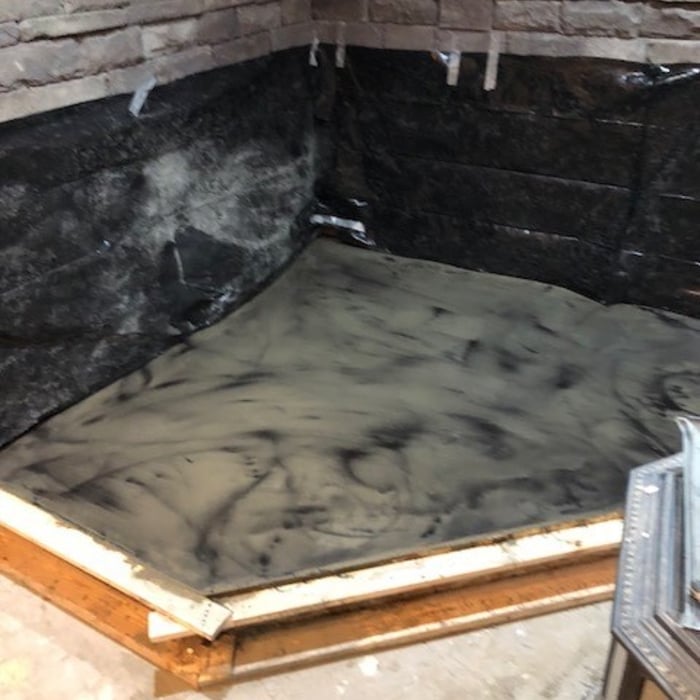
"i was in a crunch for time to remodel a shower at my in laws, and went by word of mouth to find Thomas company, and I am very happy I did! It was a difficult remodel, as my in laws home is very old, built in the 50s, and none of the walls in the bathroom were squared or leveled, thinking he would have a difficult time. but the remodel was finished in time, below budget, and the end result was beautiful! His team were all highly professional and very trustworthy, as i had to give them access to a residential home with no one living there, and they are very trustworthy! Its a locally owned company, no need to travel outside of Lander to have custom work done. I highly recommend Enduro for a build out or a remodel!"
6 neighbors recently requested a quote
Recommended by100%of homeowners
Showing 1-10 of 18
Excavating questions, answered by experts

In most areas, you will need a permit for excavation work, even for projects that only involve grading or yard leveling. Permit requirements depend on your local government and the scope of the project, but they are especially common for significant digging or work that could affect utilities or public property. These permits help protect the local topography and prevent drainage issues. An experienced excavation company will typically know whether permits are needed and can often handle the process of pulling and closing them for you. You can also verify permit requirements by contacting your local building department and describing your project.

Slab foundations are more affordable than crawl spaces because they require minimal excavation, as the slab sits directly on the ground or on footers that only sink a few feet into the ground. Crawl spaces require excavation of the entire footprint of the home to several feet below the surface. Not only does that mean higher labor costs, but more materials are necessary for the concrete foundation walls.

Preparation involves site assessment, clearing debris, grading surfaces, and compacting soil to support stable construction.

The best type of soil to build on is a mixture of sand and clay, known as loam soil. Loam soil has the best combination of these soil types to build a foundation on. The clay particles help with water retention, so it won’t erode like sandy soil might, and the sandy particles help with drainage, so you won’t see unsafe soil expansion or have an increased risk of leaks from water sitting against your foundation.

There is no standard depth for burying a septic tank; they are typically buried anywhere from 4 inches to 4 feet underground. The final depth depends on several factors, including the depth of your main sewer line, the height of the bedrock, soil type, local regulations, and the property's landscape. If you plan to grow grass or plants over the tank, a depth of at least 4 to 6 inches is recommended. Deeper tanks can be more difficult to locate, but a septic professional can help find it for you.

The Ethete, WY homeowners’ guide to excavation services

From average costs to expert advice, get all the answers you need to get your job done.