

Top-rated excavation pros.

Get matched with top excavation pros in Buffalo, WY

Enter your zip and get matched with up to 5 pros

Need a pro for your excavation project in Buffalo, WY?

Select your specific project to find the pro for you.

Find Excavation pros in Buffalo

Avatar for Cothren Plumbing & Construction
Cothren Plumbing & Construction
5.0(
10
)
Excavation - Major Grading or Resloping

Serving Buffalo, WY and surrounding areas

In business since 2013

Free estimates

Emergency services offered

"When we were having issues with our rentals plumbing, we reach out to Alex and he did not hesitate to come over and find out the issue. Knowing very well we could not do it ourselves, we hired him to get it done. Not only was he courteous and knowledgeable, he was able to fix our backing up problem swiftly. He is very professional, the work he provided fixed our issues in a timely manner and his rate was very resoanable. I highly recommend Cothren Plumbing and construction for any of your needs!"
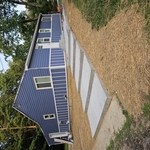
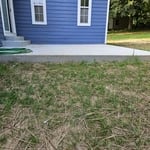
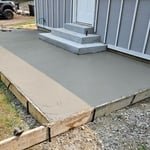
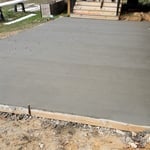
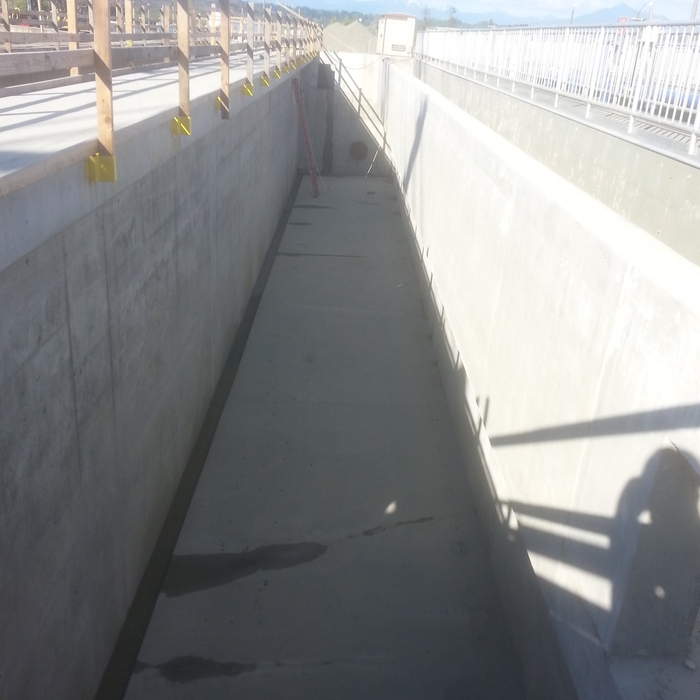
Lovell Senior Center
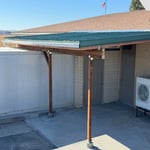
New Deck & Concrete
New Deck & Concrete
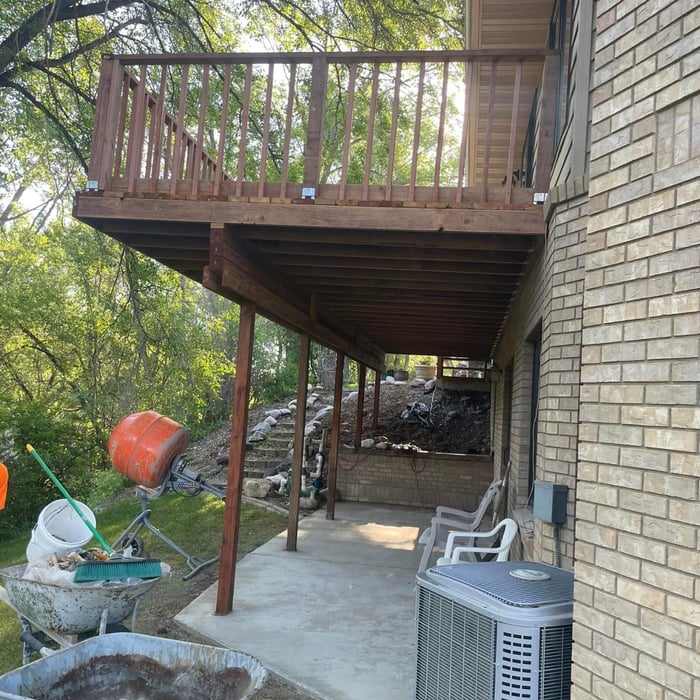
New Deck & Concrete

+2

Response time3 hrs
Response rate100%
Showing 1-10 of 26
Excavating questions, answered by experts

We recommend removing the stump, and grinding is a popular way to do it. You can also dig out small stumps or stumps that have fully decayed instead of grinding them. However, don’t try using acids or fire for killing a tree stump, which is a fire hazard and illegal in many areas.

Leaving the stump alone invites eventual problems, including attracting termites, mold, and fungi.

Yes, chipmunk holes may have two or more entrances. Chipmunks can create an entire network of burrows. Having multiple entrances makes it easier for them when trying to escape from a predator, such as a snake, or if an entrance collapses due to flooding. Each entrance leads to the nesting chamber underground, which is where the chipmunk spends the majority of its time sleeping.

Downspouts should be buried at least 5 to 10 feet away from your foundation. This can vary depending on your local building codes, soil type, and property slope. The main goal is to ensure water is directed away from your foundation.

Trenching and boring are two distinct methods for installing underground utilities. Trenching involves digging a channel using equipment like an excavator, trencher, backhoe, or shovel. While it is a simpler process, it causes significant disruption to the surface, landscaping, and surrounding ecosystems.

Boring, also known as directional boring, is a less invasive alternative that uses a drill to create a tunnel for utility lines without disturbing the surface. This method is more precise and is ideal for installations that need to go underneath buildings, roads, or bodies of water. Although boring is less disruptive, it is generally more expensive than trenching.

The average cost of excavation is approximately $3,200, with typical projects ranging from $500 to $15,000. Depending on the contractor, you may be charged between $50 and $200 per cubic yard or an hourly rate of $40 to $180 for an excavation specialist. The total cost is influenced by several factors, including the project size, the amount of soil to be removed, and the soil's condition. Hard soil, tree roots, or excessive rocks and clay can increase the price, potentially adding $200 to $1,200 to the final bill. Other factors that can drive up costs include the presence of nearby structures that complicate the work or tight spaces that require manual excavation instead of heavy machinery.

The Buffalo, WY homeowners’ guide to excavation services

From average costs to expert advice, get all the answers you need to get your job done.