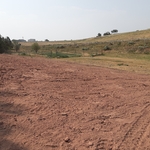
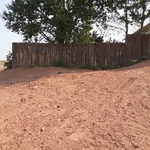
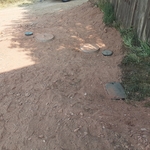
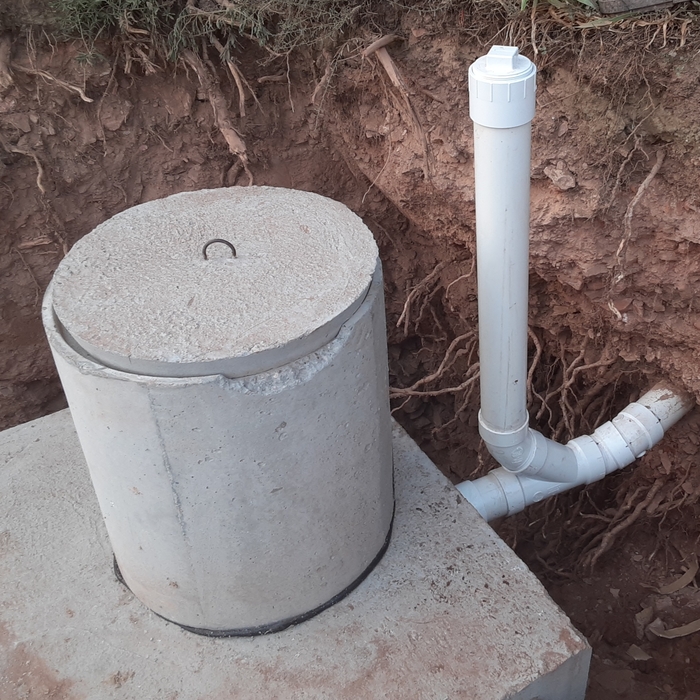
"I honestly cannot say enough good things about ERE! We were having some drainage issues in our backyard, and were worried about the integrity of our foundation. Jon contacted me within a day of my search and set up a consultation a few days later. He was super knowledgeable and understood what I wanted done, even when I couldnâ t exactly describe it. Jon was very thorough and kept me updated on everything he was going to be doing, and gave me several options when it came to budgeting and services. He and his team even went above and beyond by repairing the sprinkler lines that the previous owner had damage, at no extra cost. Our backyard now looks 100x better than before and we no longer have to worry about water draining towards our house & foundation. I will absolutely recommend ERE to everyone I know & will likely use them in the future for any of our landscaping needs!"
"These guys were awesome. From the first call to have them come out and give us a quote on the job and what was to be done to fix the problem to the day they started the project up to the day of completion. They were prompt, reasonable, knowledgeable and the work was exceptional!! We would highly recommend Omega Infrastructure Solutions for a job well done."
RD Excavation, is committed to excellence in every aspect of our business. We uphold a standard of integrity bound by fairness, honesty, and personal responsibility. Our distinction is the quality of service we bring to our customers. Accurate knowledge of our trade combined with ability is what makes us true professionals. Above all, we are watchful of our customers' interests and make their concerns the basis of our business.
Ryan is committed to excellence in every aspect of our business. We uphold a standard of integrity bound by fairness, honesty, and personal responsibility. Our distinction is the quality of service we bring to our customers. Accurate knowledge of our trade combined with ability is what makes us true professionals. Above all, we are watchful of our customers' interests, and make their concerns the basis of our business
At House' Of Repairs', our company is based on the belief that our customers' needs are of the utmost importance. Our team is committed to meeting those needs. We welcome the opportunity to earn your trust and deliver you the best service. No job is too big or too small for our experienced team. Call today for a quote.
Digging a bush up by the roots is the most natural DIY method for removing a bush stump. Start by identifying the shrub type and revealing its roots. Cut the shrub to its base and loosen the soil, ensuring no utility lines are nearby. Optionally, treat the base with herbicide, then dig around the roots and cut a circle around the shrub using various tools. Dig a trench, cut the base of the root ball, and finally fill the hole to prevent regrowth. This thorough process ensures complete removal without damaging surrounding areas.
To locate an underground downspout, you should start by identifying where the above ground gutter drains. Look for an entry point, such as a pipe or elbow leading into the ground. Follow the surface path for signs like depressions, landscaping disruptions, or wet areas after rain. You can use a metal detector or plumber’s snake to trace the pipe underground. For deeper pipes, a professional locator tool or camera inspection may be necessary. Visual markers or utility maps can also guide the search.
In the United States, a depth of 36 inches (three feet) for underground water lines is the accepted industry standard. This depth varies from location to location based on local conditions. In areas with colder winters, they may be buried deeper to prevent frozen well water pipes : This is usually at least six inches below the frost level. The International Plumbing Code calls for a minimum of 12 inches below grade.
Downspouts should be buried at least 5 to 10 feet away from your foundation. This can vary depending on your local building codes, soil type, and property slope. The main goal is to ensure water is directed away from your foundation.
Trenching is a specific kind of digging. Trenching means digging a depression in the earth that’s deeper than it is wide, often with heavy machinery. Digging refers to any kind of removal of earth in order to create a human-made depression, hole, or cut in the earth’s surface. You can dig with big tools or even with just a hand shovel.
The Recluse, WY homeowners’ guide to excavation services
From average costs to expert advice, get all the answers you need to get your job done.
Excavation costs $1,500 to $6,300 for most residential projects—but it depends on factors like the size of the area. This guide will help you plan a budget.
You can't have an in-ground pool without digging into the ground. How much does pool excavation cost, and can you take it on yourself? Our guide explains.