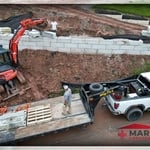
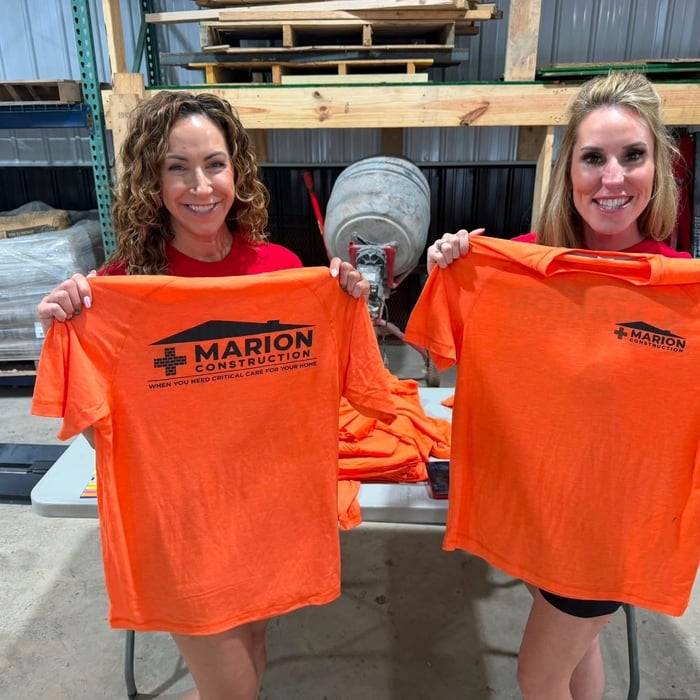
Excavating Contractor, General Contractor, Plumbing Contractor & Specialty Contractor ! Retaining walls, French drains, Home Land seats, Driveways & Culvert Drain pipe installation, New Home builds, Deck builds, New roof replacements, Concrete, Water, Sewer, Gas service lines (From Home to Street) , Water heater (Tank &Tankless) Instillations, Camera Inspections, Bathroom Remodels, Home remodels , Water Purification System installations, Repiping ( Water,Sewer,& Gas line) Septic Tank & leech bed Installation and Much much more. Feel free to contact us for all of your contractor needs! 304-533-6321
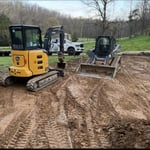
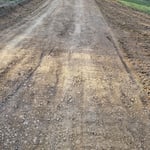
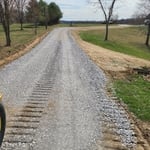
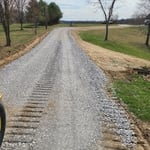
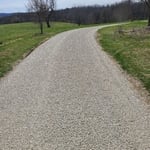
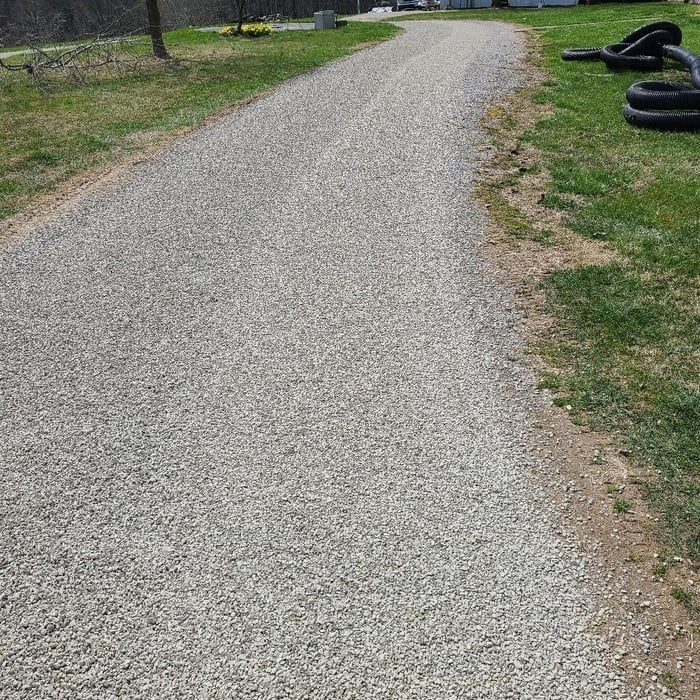
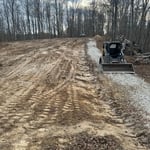
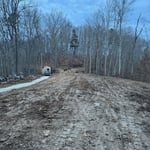
"J&H excavating traveled up to Columbus to tackle this 3,000 foot driveway project. J & H provided constant communication throughout 3 different phases of the project, and worked great in conjunction with the other contractors on the job."
At JMK Tree Service and Excavation we take great pride in our experience, expertise, quality, and customer service that we provide to meet the consumer's needs. It is our mission to provide excellent workmanship and complete customer satisfaction, from the start to the completion of a project. In order to understand the needs and expectations of our customers, we take great care to work and communicate with every customer in a professional and friendly manner. Our reputation is based on service, safety, and quality, regardless of how large or small the job. We accept Cash, Check, Facebook Pay & Cash App
We provide professional excavation and sitework services for residential and commercial properties throughout West Virginia. Whether you're preparing a site for new construction, solving drainage issues, stabilizing a hillside, or repairing a failing foundation, our experienced team delivers dependable workmanship built to last.
\n
\nOur services include excavation, retaining wall installation, yard drainage solutions, grading, foundation repair, land clearing, trenching, and erosion control. We take pride in using quality materials, modern equipment, and proven construction methods to protect your property and improve its long-term stability.
\n
\nFrom small residential projects to large-scale site development, we are committed to honest communication, reliable service, and exceptional results. Contact us today for a free estimate and let us help build a solid foundation for your next project.
Cunningham land management is committed to excellence in every aspect of our business. We uphold a standard of integrity bound by fairness, honesty, and personal responsibility. Our distinction is the quality of service we bring to our customers. Accurate knowledge of our trade combined with ability is what makes us true professionals. Above all, we are watchful of our customers interests and make their concerns the basis of our business.
\n
\n11+ experience
AJ Allen Excavating is a family owned business that proudly serves its customers with pride, integrity and attention to details that matter most to you. This is one of the many things that sets us apart. We are locally owned and operated. Give us a call today!
Thank you for considering hiring us for your project! At LM Landscaping & Land Management we pride ourselves on quality work, integrity and competitive pricing. We believe in giving our absolute best, no matter how big or small your project.
\n
\nWe are experts in our trade, and we will keep you educated and informed throughout the completion of your project. We treat your property like it's our own, with the utmost respect, just like we would our own family!
\n
\nAs the owner, my aim is to earn a 5-star review on the completion of your project. So, please let me know if at any time we are not living up to earning your perfect 5-star review.
\n
\nWe look forward to earning your business, so please ask us for references!
Hendrix Contracting and Management is a well established business with over 5 years of unmatched expertise. Customer and priorities are always first. We are very timely with our work and never lose attention to detail.
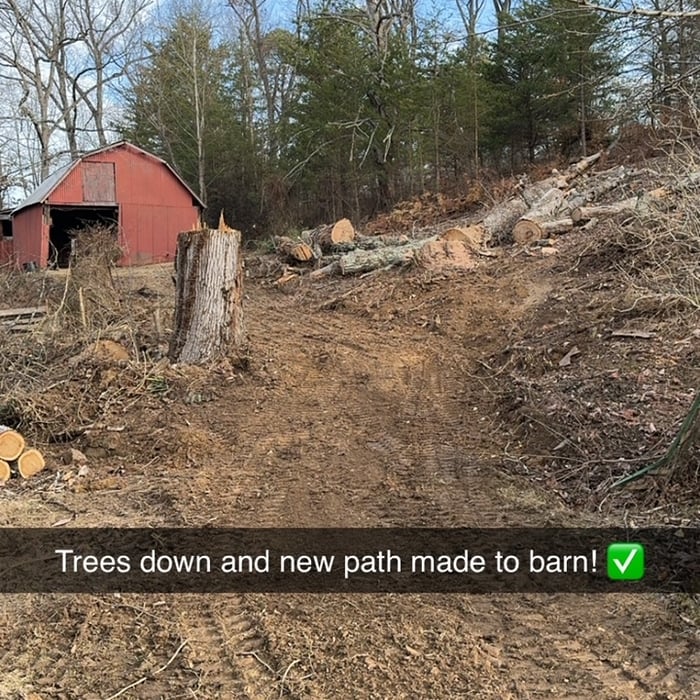
I specialize in land clearing and minor excavation, helping property owners turn raw land into usable space. With a strong work ethic and attention to detail, I handle each job efficiently and safely. From clearing brush to light excavation, I take pride in doing the job right and leaving customers with results they can rely on.
Sewer lines can be buried anywhere from 18 inches to 8 feet deep, with a common average depth between 18 and 30 inches. The exact depth depends on local factors like climate and soil type. In colder regions, pipes must be buried deeper (below the frost line) to prevent freezing, sometimes as deep as 8 feet. The digging depth can also impact the cost of sewer line replacement. To find the specific depth for your property, you can check the building plans for your system, which should be on file with your city or local sanitation department since permits are required for installation.
The average cost of excavation is approximately $3,200, with typical projects ranging from $500 to $15,000. Depending on the contractor, you may be charged between $50 and $200 per cubic yard or an hourly rate of $40 to $180 for an excavation specialist. The total cost is influenced by several factors, including the project size, the amount of soil to be removed, and the soil's condition. Hard soil, tree roots, or excessive rocks and clay can increase the price, potentially adding $200 to $1,200 to the final bill. Other factors that can drive up costs include the presence of nearby structures that complicate the work or tight spaces that require manual excavation instead of heavy machinery.
Because decomposed granite is a durable material, a crushed rock or gravel base is optional as long as the DG is properly installed and compacted. However, installing a base is a good idea because it will ensure proper drainage and stability and act as a weed suppressant (although you may still occasionally have to pull weeds). Installing an adequate base can also increase the durability of driveways and walkways. If you forego the paver base or gravel underneath, line the area with landscaping fabric to avoid weeds.
You do not have to dig footers for a deck as long as it meets local code and holds up to weather in your area. If you live somewhere that experiences high winds and earthquakes, you may need to dig for your deck posts. Deck blocks, post anchors with base plates, and helical pile systems are the three no-dig deck post options you can choose from if local code permits.
The rules and regulations regarding groundwater use vary between states. To find out if you can dig a well on your property, you’ll have to consult these regulations, address any compliance requirements, and get the appropriate permits. It’s also important to check that your intended location has the right geology and water table to support a well.
The Bidwell, OH homeowners’ guide to excavation services
From average costs to expert advice, get all the answers you need to get your job done.
Excavation costs $1,500 to $6,300 for most residential projects—but it depends on factors like the size of the area. This guide will help you plan a budget.
You can't have an in-ground pool without digging into the ground. How much does pool excavation cost, and can you take it on yourself? Our guide explains.
Picking the right pro can make or break your project. Learn how to hire an excavation pro with the qualifications and skillset to do the job efficiently.