

Top-rated excavation pros.

Get matched with top excavation pros in Coolville, OH

Enter your zip and get matched with up to 5 pros

Need a pro for your excavation project in Coolville, OH?

Select your specific project to find the pro for you.

Find Excavation pros in Coolville

Avatar for K.C.UTILITY
K.C.UTILITY
New to Angi
Excavation - Major Grading or ReslopingLandscape - Minor Grading or ReslopingBuilding Site - Preparation and Clearing

Serving Coolville, OH and surrounding areas

Approved

In business since 2022

Free estimates

Emergency services offered

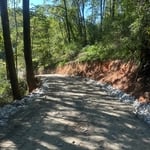
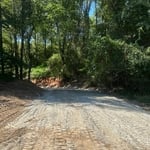
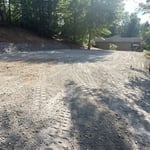
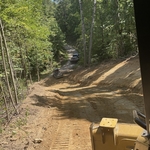
Hi my name is Cory Riley I?m a husband and a father of two boys, I started my company in 2023 I started out doing work for AT&T doing a lot of trench work and placing pipe. But I can offer many things such as land clearing, putting in new driveways, culverts, digging basements, pounds, or just simply digging a trench for placing pipe. I?ll go wherever the work is, I take pride in the work I do and love what I do, i treat every job as if I was doing it for myself. Hope to see you soon.

Gallery
Gallery
9 neighbors recently requested a quote
Ohio Valley Land Clearing
New to Angi
Building Site - Preparation and ClearingBuilding Site - Preparation and Clearing - For BusinessLandscape - Minor Grading or Resloping

Serving Coolville, OH and surrounding areas

Approved

Small jobs welcome

Offers commercial services

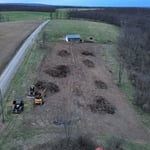
I specialize in land clearing and minor excavation, helping property owners turn raw land into usable space. With a strong work ethic and attention to detail, I handle each job efficiently and safely. From clearing brush to light excavation, I take pride in doing the job right and leaving customers with results they can rely on.

...
Showing 1-10 of 53
Excavating questions, answered by experts

Trenching is a specific kind of digging. Trenching means digging a depression in the earth that’s deeper than it is wide, often with heavy machinery. Digging refers to any kind of removal of earth in order to create a human-made depression, hole, or cut in the earth’s surface. You can dig with big tools or even with just a hand shovel.

In the United States, a depth of 36 inches (three feet) for underground water lines is the accepted industry standard. This depth varies from location to location based on local conditions. In areas with colder winters, they may be buried deeper to prevent frozen well water pipes : This is usually at least six inches below the frost level. The International Plumbing Code calls for a minimum of 12 inches below grade.

Prior to excavation, you should prepare the dig site and call 311 before you sign anything.

To get your site ready for excavation, you should move anything in the area that isn’t affixed to the land. You can save money on the excavation by removing hardscaping, including walkways, decks, concrete patios, and paver patios.

Before you carry out any digging, you should call 311 to confirm that there are no utility lines running through your excavation site. Skipping this step could lead to severe injury and property damage if your excavator hits a water, sewage, or gas line.

No, you typically cannot use metal detectors to find your sewer line. Most sewer lines are made of non-metallic materials such as PVC, clay, or cast iron, which are not detectable by standard metal detectors. Metal detectors are designed to locate metallic objects, so they won't be effective for identifying the path of a non-metallic sewer line. To locate your sewer line accurately, it's best to use other methods.

Depth is not a qualifying component of evacuation. Any human-made cut, cavity, or depression in the earth’s surface is considered excavation. The hole from excavation can be any size, shape, or depth. Excavation is used to create foundations, reservoirs, drainage ditches, and roads. Long, narrow excavations are called trenches and are often used for underground utilities.

The Coolville, OH homeowners’ guide to excavation services

From average costs to expert advice, get all the answers you need to get your job done.