





Top-rated bird control service pros.

Best bird control service pros near Culloden, WV

Enter your zip and get matched with up to 5 pros

Need a pro for your bird control service project in Culloden, WV?

Select your specific project to find the pro for you.

TRUSTED BY CULLODEN, WV HOMEOWNERS

  • Average homeowner rating star icon4.8
    Average homeowner rating
  • Verified reviews icon59
    Verified bird control services reviews

Top-Rated Bird control service pros in Culloden - Updated Nov 2026

Bird Control FAQs, answered by experts

Birds are often averse to certain strong scents. For instance, the odor of predator urine, such as that from foxes or hawks, can deter them. Similarly, birds may dislike the pungent aromas of garlic, onions, and chili peppers. Essential oils like peppermint, eucalyptus, and citrus can also be effective in keeping birds away. However, it's important to note that individual bird species might react differently to these scents, so it might require some experimentation to find the most effective repellent for your specific situation.

Depending on the size of your home and accessibility, expect professional pest inspections to take between 30 and 60 minutes. If you have a large property or limited accessibility, pest inspections may take longer. 

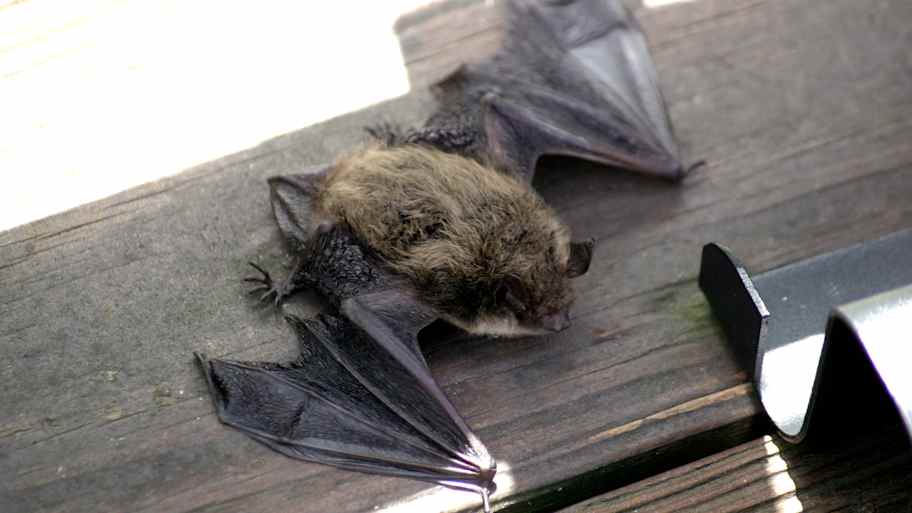
Trees that provide a habitat to bats and an abundance of bugs—their main food source—will attract bats to your yard. Because the North American landscape has changed so much in recent years, bats have a harder time finding trees with cavities to shelter in. If your yard has a dead or dying tree with a lot of sun exposure, bats will likely be drawn to it because trees with those features are less common.

The lifespan of a bird's nest depends on the species. The building process can take from two days to three weeks. Once built, the nesting period for baby birds can last from two to ten weeks before they leave the nest. While most young birds are ready in two to six weeks, some predatory species may need up to two and a half months. Some species nest four to five times per year, so a nest could remain in use for several months. For specific information about a particular nest's longevity, it is best to consult a wildlife professional.

Numerous predators kill hornets, including frogs, birds, lizards, bats, spiders, and hedgehogs. Some larger predators, including rats, skunks, and racoons, will occasionally attack a hornet nest in order to eat the larvae inside. These natural predators typically don’t eat enough hornets to make them an effective form of hornet control. 

The Culloden, WV homeowners’ guide to bird control services

From average costs to expert advice, get all the answers you need to get your job done.