



Top-rated bird control service pros.

Best bird control service pros near Saint Albans, WV

Enter your zip and get matched with up to 5 pros

Need a pro for your bird control service project in Saint Albans, WV?

Select your specific project to find the pro for you.

TRUSTED BY SAINT ALBANS, WV HOMEOWNERS

  • Average homeowner rating star icon4.6
    Average homeowner rating
  • Verified reviews icon108
    Verified bird control services reviews

Top-Rated Bird control service pros in Saint Albans - Updated Nov 2026

Bird Control FAQs, answered by experts

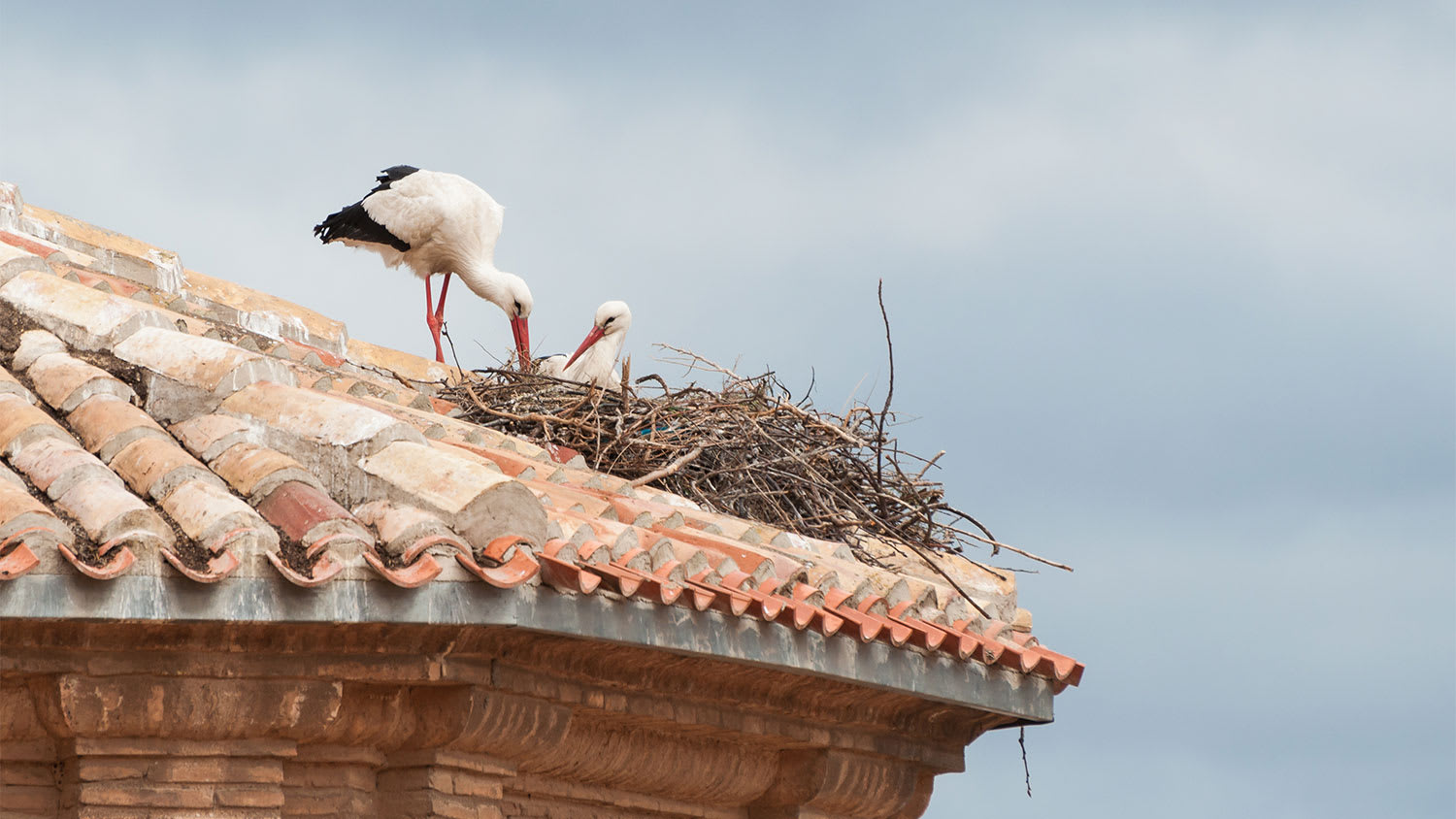
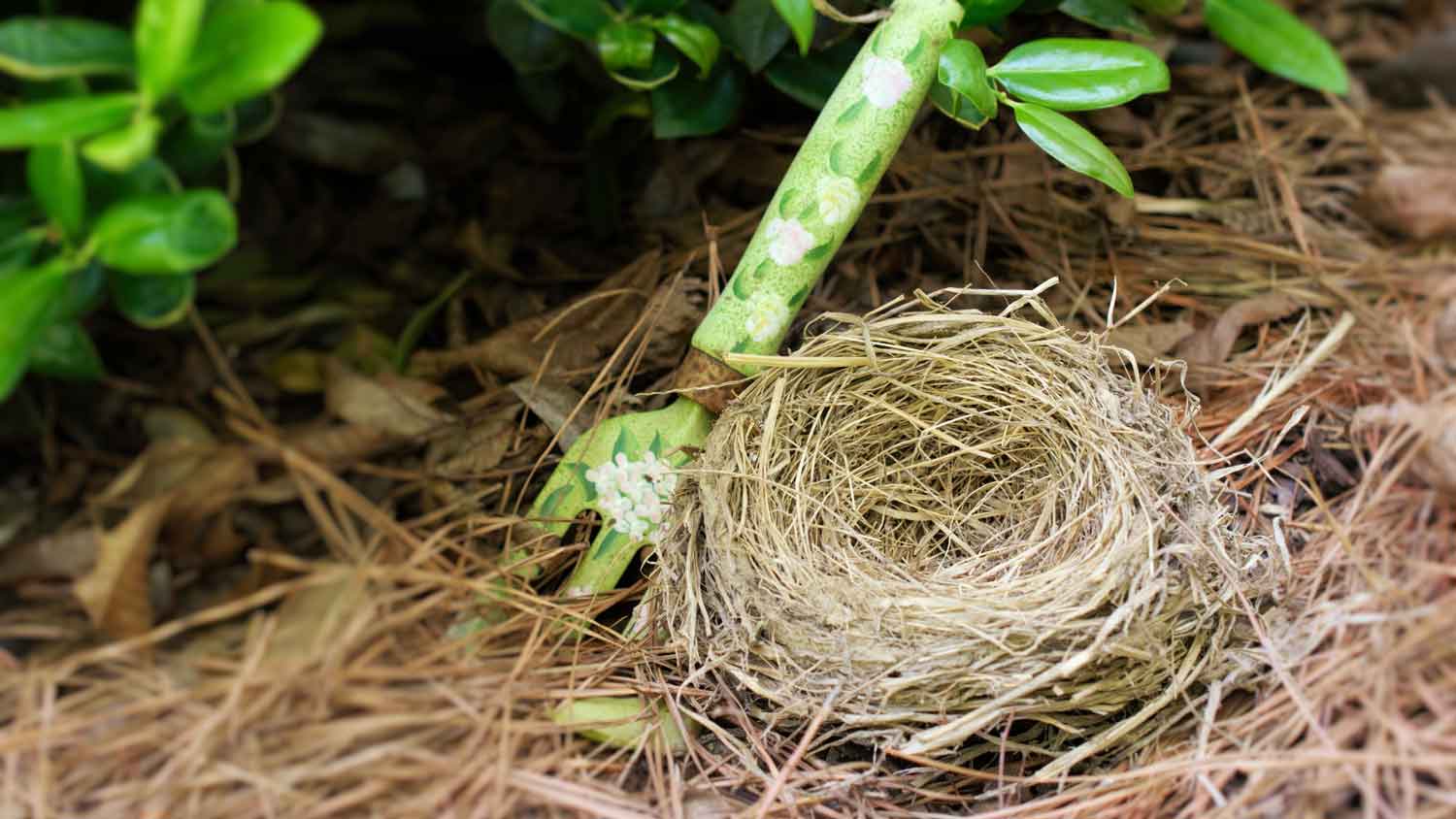
While not common, bird’s nests can cause problems to your property in some cases. 

  • Block vents for your dryer, stove, and fans, creating a fire hazard

  • Clog gutters and drains, leading to roof and siding damage

  • Damage solar panels

  • Wiring issues if the nest is on or near a light fixture

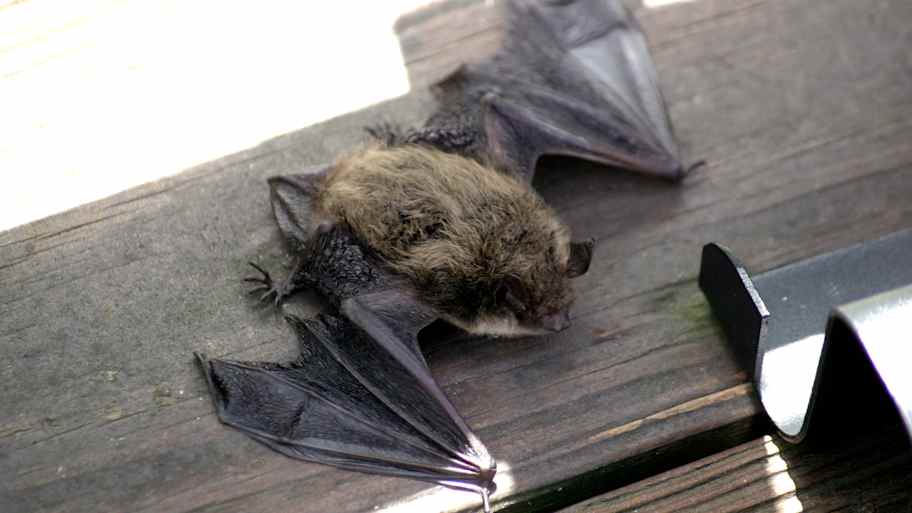
Once the animals and their young are out of the house, remove the nest and locate any entry points. Some may be difficult to find because some animals can fit through very small holes. Once you’ve located as many entry points as possible, use materials such as metal or masonry to block off the entry. Ideally, you should choose materials that most animals cannot chew through. Create a one-way door or flap to allow animals to leave but not return. Additional methods include using repellants designed to make an area unappealing to the types of animals that find your home so inviting. 

Natural swimming pools are designed to deter pests, including mosquitoes. While any body of water can potentially attract pests, the natural filtration system keeps the water clean and constantly moving. Mosquitoes specifically are attracted to standing water, so the continuously circulating water in a natural pool makes it an inhospitable environment for them.

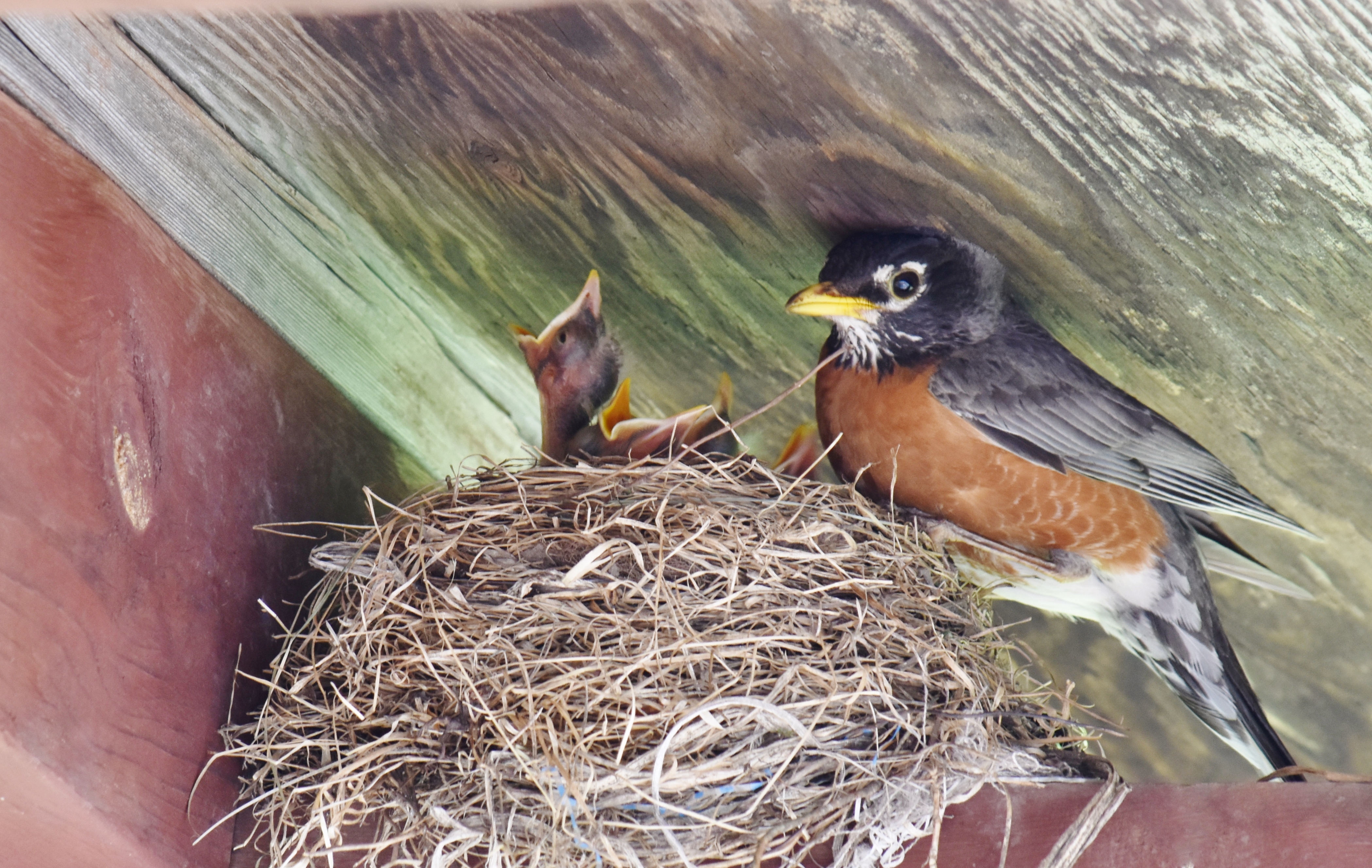
The lifespan of a bird's nest depends on the species. The building process can take from two days to three weeks. Once built, the nesting period for baby birds can last from two to ten weeks before they leave the nest. While most young birds are ready in two to six weeks, some predatory species may need up to two and a half months. Some species nest four to five times per year, so a nest could remain in use for several months. For specific information about a particular nest's longevity, it is best to consult a wildlife professional.

Numerous predators kill hornets, including frogs, birds, lizards, bats, spiders, and hedgehogs. Some larger predators, including rats, skunks, and racoons, will occasionally attack a hornet nest in order to eat the larvae inside. These natural predators typically don’t eat enough hornets to make them an effective form of hornet control. 

The Saint Albans, WV homeowners’ guide to bird control services

From average costs to expert advice, get all the answers you need to get your job done.