









Top-rated bird control service pros.

Get matched with top bird control service pros in Lesage, WV

Enter your zip and get matched with up to 5 pros

Need a pro for your bird control service project in Lesage, WV?

Select your specific project to find the pro for you.

TRUSTED BY LESAGE, WV HOMEOWNERS

  • Average homeowner rating star icon4.4
    Average homeowner rating
  • Verified reviews icon20
    Verified bird control services reviews

Find Bird control service pros in Lesage

Avatar for Terminix® Pest Control
Terminix® Pest Control
New to Angi

Serving Lesage, WV and surrounding areas

Approved

In business since 1927

Free estimates

Warranties offered

"Very knowledgeable guy who seem to know what he’s doing. Don’t know results of spraying. Have had much rain since. Will have to see if it worked. Terminex will spray again the beginning of next month."
My jobs
My jobs
My jobs
My jobs
My jobs

+2

27 neighbors recently requested a quote
Bird Control questions, answered by experts

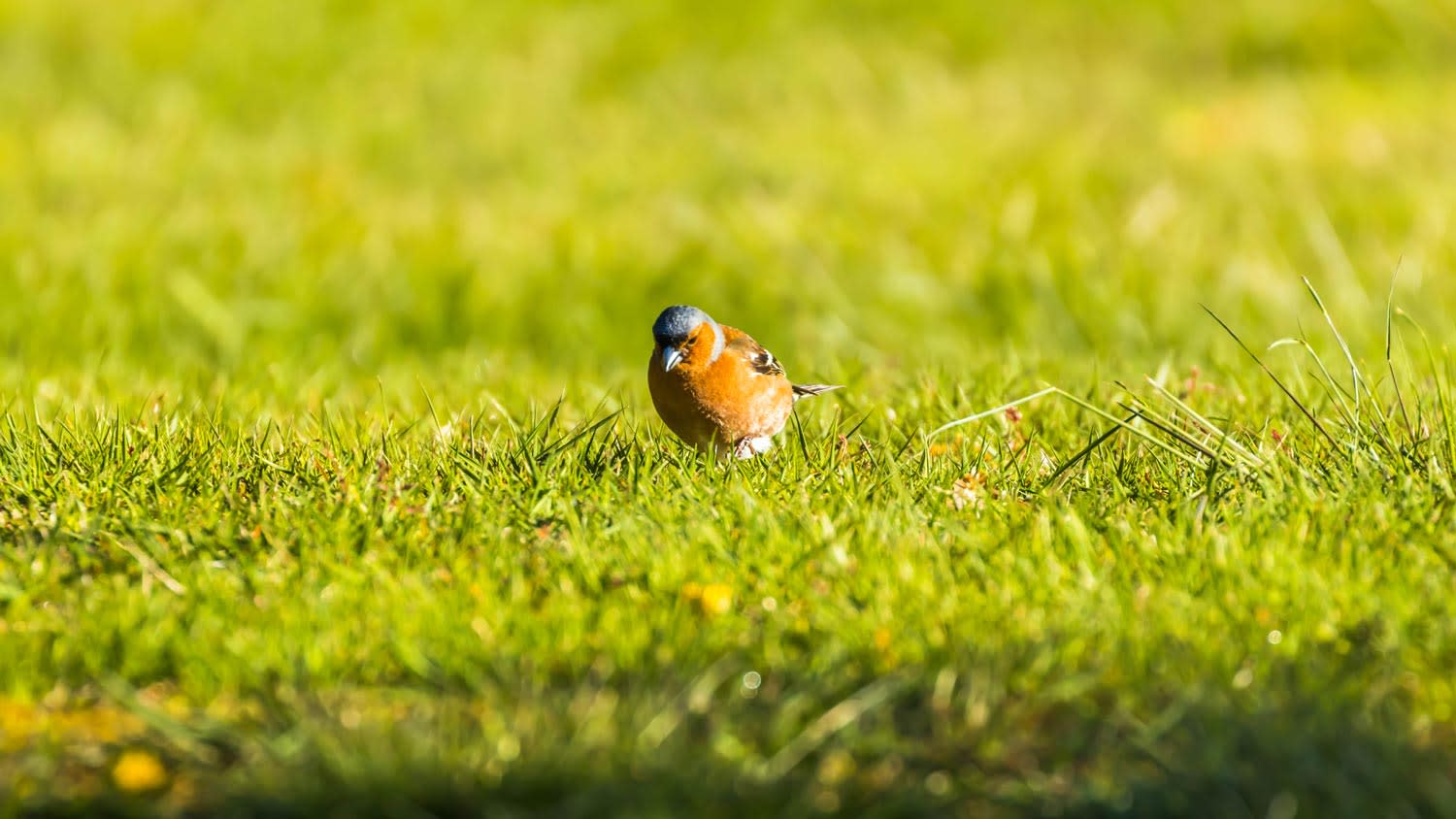
Birds eat grass seed for one simple reason—it’s delicious! The seeds are rich in nutrients such as carbohydrates, proteins, and fats. Seeds are also high in energy, so humans eat trail mix loaded with seeds and nuts for long-distance activities. Grass seed, when unprotected, is also exceptionally easy to access.

Regular cleaning, proper food storage, sealing entry points, and professional inspections help prevent infestations.

Maintain sealed entry points, use deterrents like spikes or sonic devices, and keep areas clean to discourage nesting.

It's advisable to avoid using harmful methods to eliminate birds. Poisoning birds is inhumane and can have unintended ecological consequences, affecting other wildlife and pets. Similarly, using firearms or other lethal means poses safety risks and could be illegal in many areas. Sticky substances like adhesives can cause birds to become trapped and injured. Lastly, playing excessively loud or distressing noises can stress birds and humans. Focusing on humane and environmentally responsible strategies is essential when dealing with bird issues.

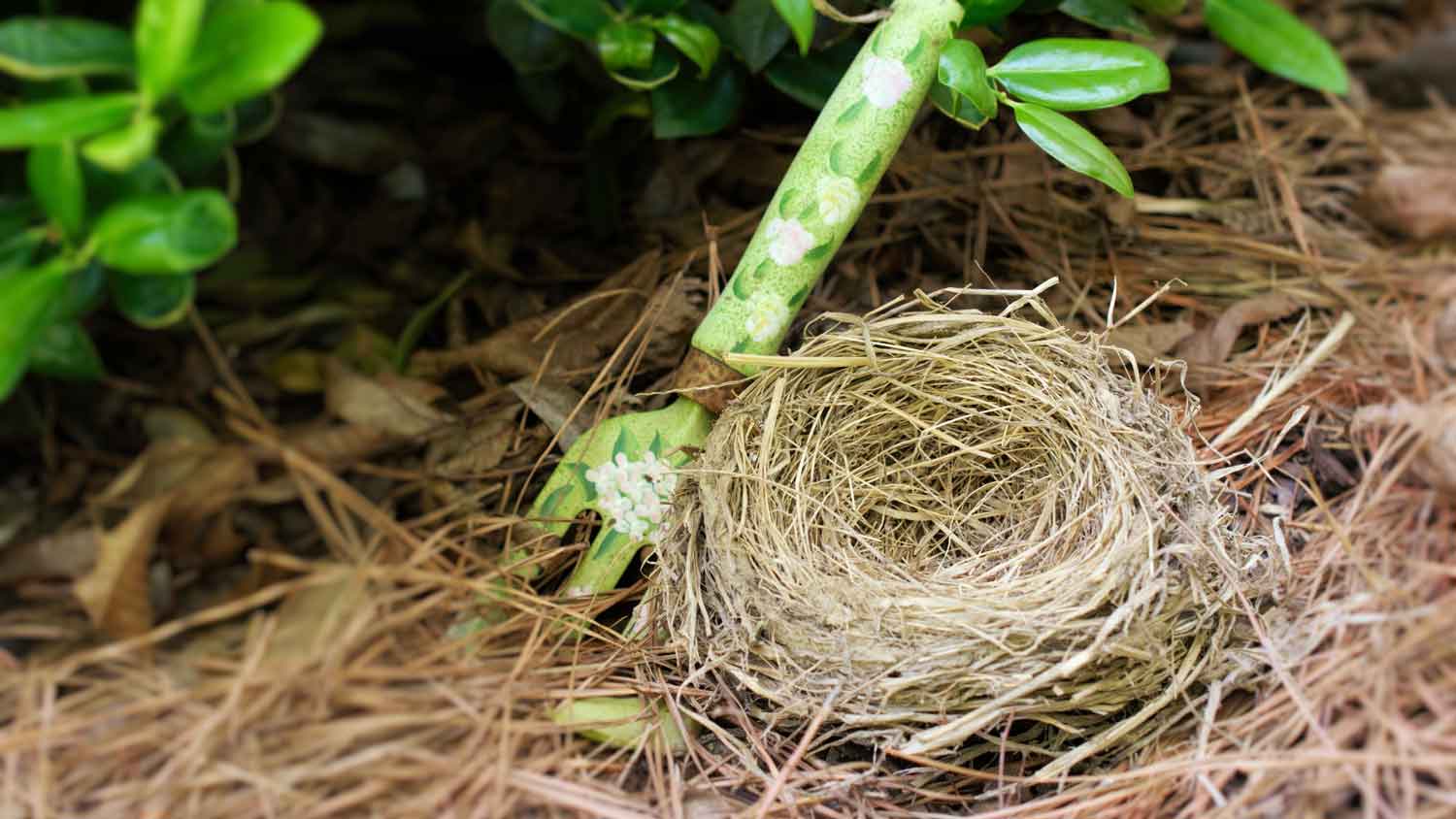
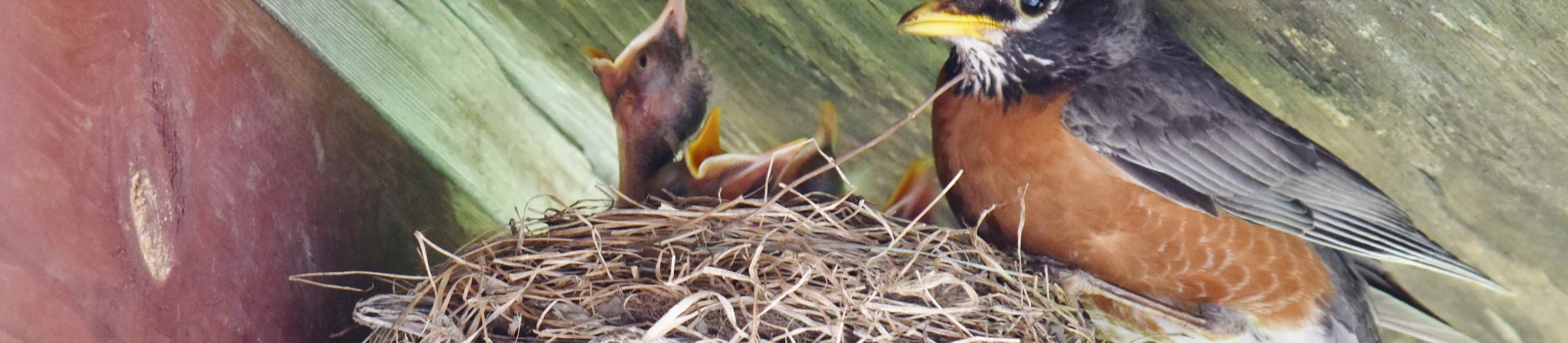
The lifespan of a bird's nest depends on the species. The building process can take from two days to three weeks. Once built, the nesting period for baby birds can last from two to ten weeks before they leave the nest. While most young birds are ready in two to six weeks, some predatory species may need up to two and a half months. Some species nest four to five times per year, so a nest could remain in use for several months. For specific information about a particular nest's longevity, it is best to consult a wildlife professional.

The Lesage, WV homeowners’ guide to bird control services

From average costs to expert advice, get all the answers you need to get your job done.