



Top-rated bird control service pros.

Get matched with top bird control service pros in Dunbar, WV

Enter your zip and get matched with up to 5 pros

Need a pro for your bird control service project in Dunbar, WV?

Select your specific project to find the pro for you.

TRUSTED BY DUNBAR, WV HOMEOWNERS

  • Average homeowner rating star icon4.4
    Average homeowner rating
  • Verified reviews icon64
    Verified bird control services reviews

Find Bird control service pros in Dunbar

Bird Control questions, answered by experts

You can take multiple approaches to keep animals out of your edible landscape. You can use natural repellents such as mint and cayenne pepper to deter them from your garden. You can also build a fence (or opt for a privet hedge) or keep the most enticing plants in a sectioned-off area. The most efficient method of keeping your four-legged guests at bay is to determine what animal it is and create a customized plan for them. 

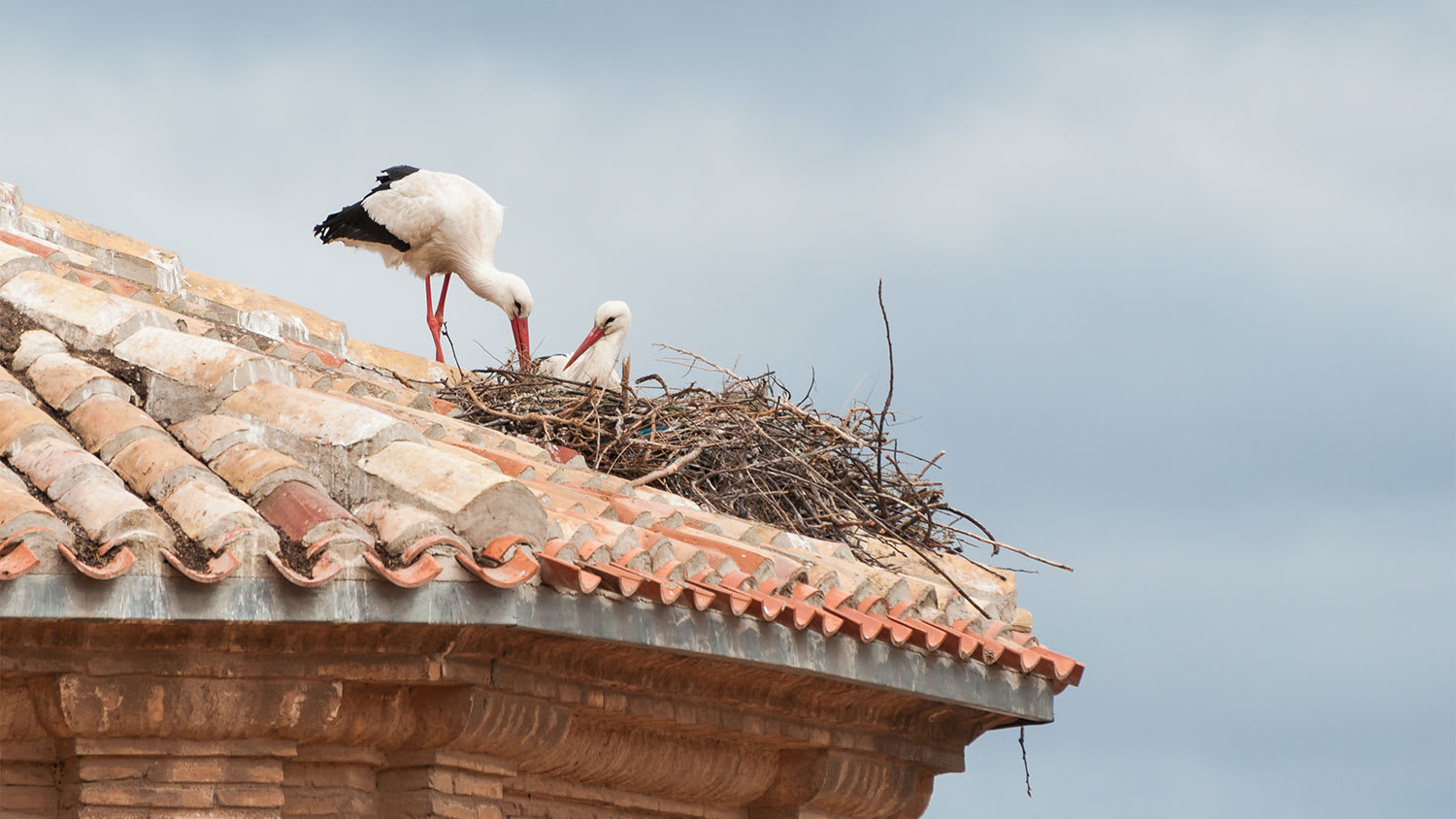
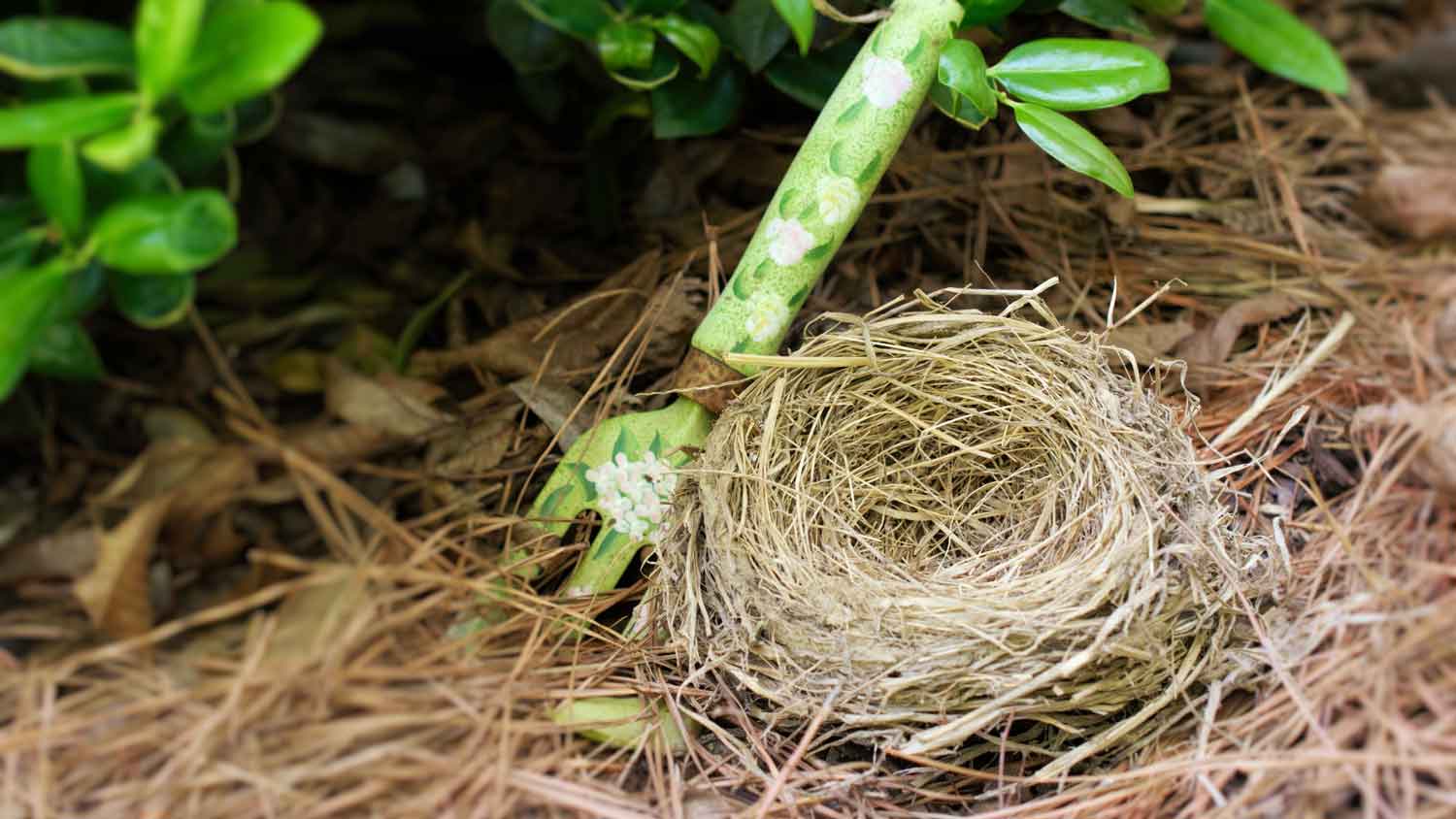
Metal coil-shaped retriever tools (around $50) help remove empty nests and debris from chimneys. Unless you are sure the nest is vacant, we recommend calling in a pro to handle bird’s nest removal from chimneys, vents, roofs, and other hard-to-reach places.

No single deterrent will work 100 percent of the time, so we suggest combining deterrents to ensure your seed has the best possible chance to grow. Using bird netting over your seed, with physical deterrents like mylar tape coupled with hanging bird feeders at the edges of your growing area—and removing any bird’s nests, if possible—will give your seeds the best possible chance for success.

Set live traps or install a one-way door to evict squirrels, rodents, and other animals from your attic. Once they’re out, seal any entry points to prevent the animals from returning. If you’re dealing with an infestation, call a pro. 

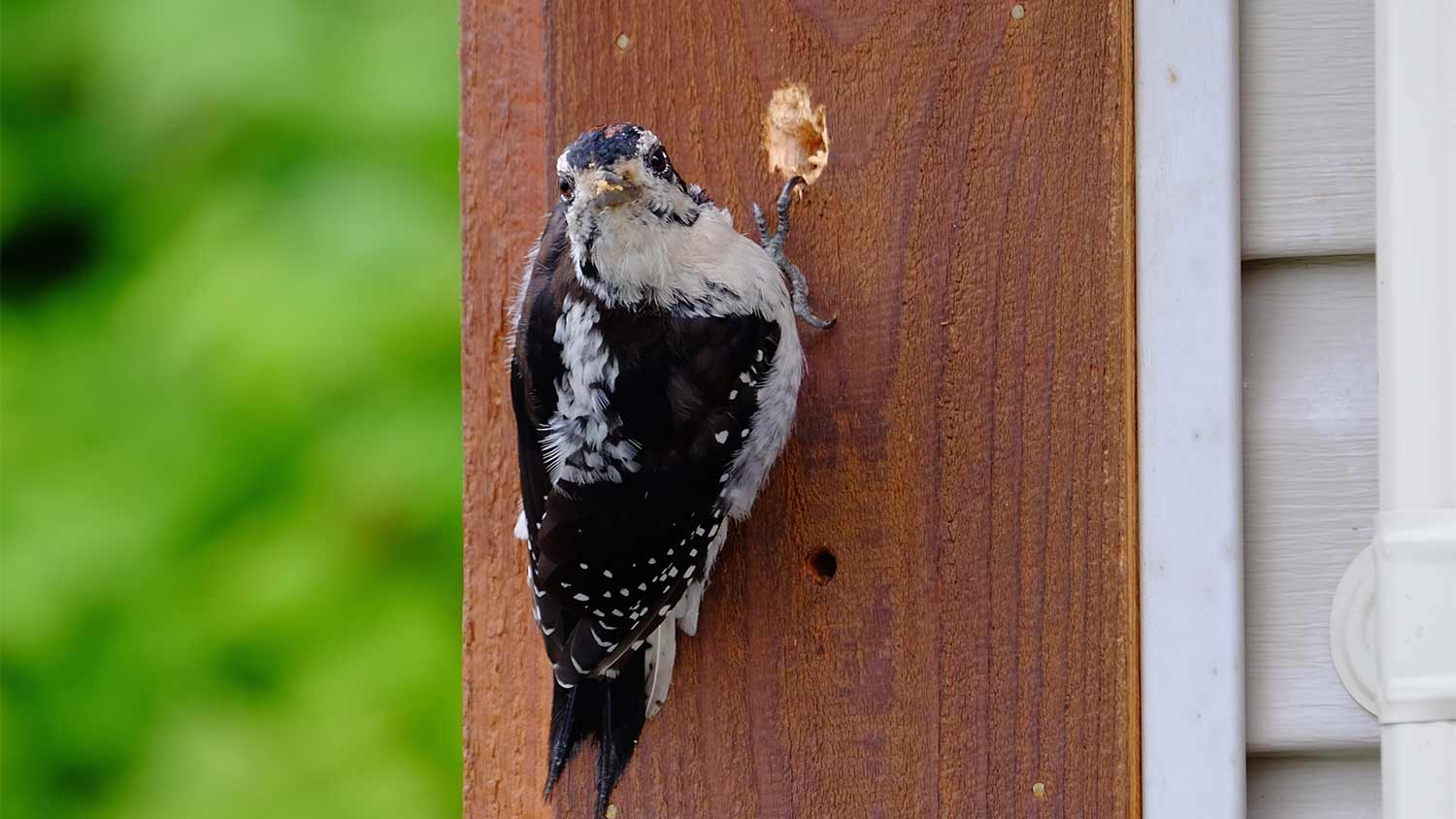
When woodpeckers start banging on your walls or roof, they are probably looking for insects to eat, storing nuts for winter, drilling a hole to make a nest, or communicating with other birds to establish territory or find a mate.

The size of the hole can help determine the reason for the pecking. Small irregular holes are a result of insect hunts. Acorn holes are more consistently sized and often fitted with a nut in the middle. Nest holes are large and have rounded edges. If the bird is pecking to mark its territory or attract a mate, it may leave dents rather than holes, and the noise will stop when the mating season starts in spring.

The Dunbar, WV homeowners’ guide to bird control services

From average costs to expert advice, get all the answers you need to get your job done.