

Top-rated radon detection and reduction specialists.

Get matched with top radon detection and reduction specialists in Bridgeport, WV

Enter your zip and get matched with up to 5 pros

Need a pro for your radon detection and reduction project in Bridgeport, WV?

Select your specific project to find the pro for you.

Find Radon detection and reduction specialists in Bridgeport

Avatar for Webb Property Inspections
Webb Property Inspections
5.0(
6
)
Radon Gas - Testing

Serving Bridgeport, WV and surrounding areas

In business since 2002

Free estimates

Emergency services offered

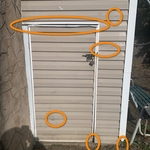
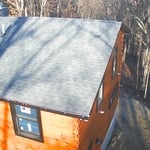
"⭐⭐⭐⭐⭐ I first worked with Cristian Papa of Webb Inspection Services during a full home inspection last year and was so impressed with his professionalism and attention to detail that I hired him again to evaluate recent roofing work at my property. Cristian conducted a thorough inspection, carefully documented his findings with photographs, and provided a detailed, well-organized report that was easy to understand. His attention to detail and ability to identify areas requiring further review gave me valuable information to make informed decisions regarding my property. Throughout both inspections, Cristian was professional, knowledgeable, responsive, and willing to answer questions. It is clear that he takes pride in his work and provides honest, independent evaluations. I highly recommend Cristian Papa and Webb Inspection Services to anyone looking for a thorough and trustworthy home inspector."
Home Inspection Project
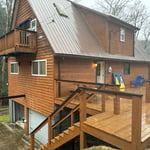
Brand new build inspection (pre-purchase).
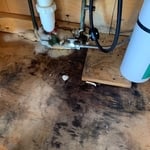
Water leak that has left the home with foreign substance growth.
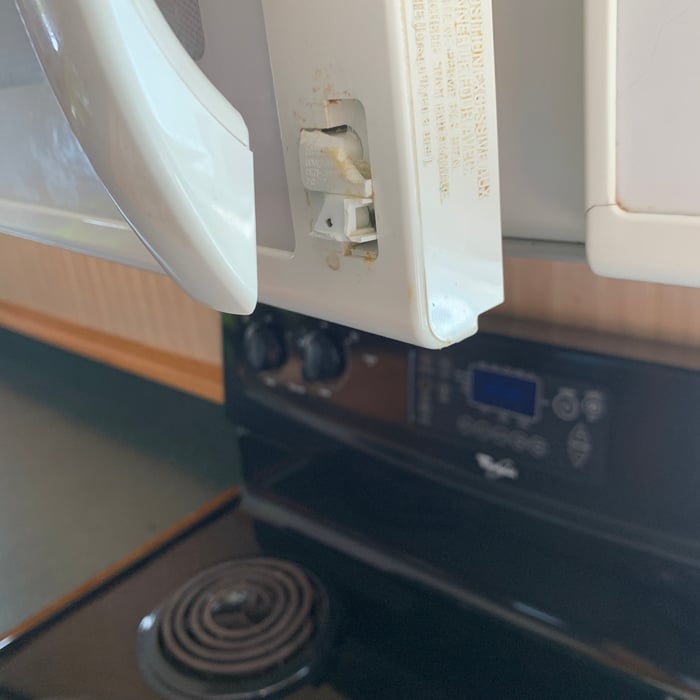
Microwave handle broken.

+35

Recommended by16%of homeowners
Radon Detection and Reduction questions, answered by experts

If high radon levels are detected, steps include sealing entry points, installing a mitigation system, and retesting the air regularly to ensure reduced levels.

Your radon mitigation system may be loud because it’s time to replace it. Any sounds are usually from the inline fan that helps create the vacuum and resulting airflow. If you hear a new, loud mechanical or humming noise from your radon fan, it might be time to replace it. Most fans used in radon mitigation systems last up to 10 years, but may need to be replaced sooner.

Radon enters your home when warm air begins to rise and exits through the roof, creating a vacuum that pulls cooler air from under the foundation. Part of that air is radon, which is an invisible, odorless gas that develops naturally when radioactive particles are deep within the ground. Those particles usually come from decaying matter in soil and rocks.

You'll need to test your home for radon after installing the mitigation system, then again every two years. If radon remains elevated, contact a licensed radon professional, either the contractor who installed the system or a different one, and have them evaluate the system. They may need to make some changes to improve its effectiveness and performance.

No level of radon is technically safe, but since it is present everywhere, complete avoidance is impossible. The average radon level in homes across the United States is 1.3 picocuries per liter (pCi/L). The Environmental Protection Agency (EPA) recommends taking preventative measures if your home's radon levels are between 2 and 4 pCi/L or higher.

The Bridgeport, WV homeowners’ guide to radon detection and reduction services

From average costs to expert advice, get all the answers you need to get your job done.