




Top-rated radon detection and reduction specialists.

Get matched with top radon detection and reduction specialists in Stonewood, WV

Enter your zip and get matched with up to 5 pros

Need a pro for your radon detection and reduction project in Stonewood, WV?

Select your specific project to find the pro for you.

Find Radon detection and reduction specialists in Stonewood

Avatar for Webb Property Inspections
Webb Property Inspections
5.0(
6
)

Serving Stonewood, WV and surrounding areas

In business since 2002

Free estimates

Emergency services offered

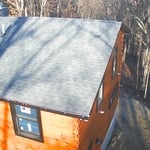
"⭐⭐⭐⭐⭐ I first worked with Cristian Papa of Webb Inspection Services during a full home inspection last year and was so impressed with his professionalism and attention to detail that I hired him again to evaluate recent roofing work at my property. Cristian conducted a thorough inspection, carefully documented his findings with photographs, and provided a detailed, well-organized report that was easy to understand. His attention to detail and ability to identify areas requiring further review gave me valuable information to make informed decisions regarding my property. Throughout both inspections, Cristian was professional, knowledgeable, responsive, and willing to answer questions. It is clear that he takes pride in his work and provides honest, independent evaluations. I highly recommend Cristian Papa and Webb Inspection Services to anyone looking for a thorough and trustworthy home inspector."
Home Inspection Project
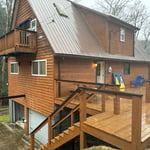
Brand new build inspection (pre-purchase).
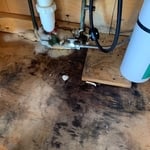
Water leak that has left the home with foreign substance growth.
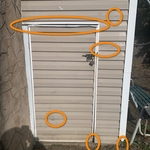
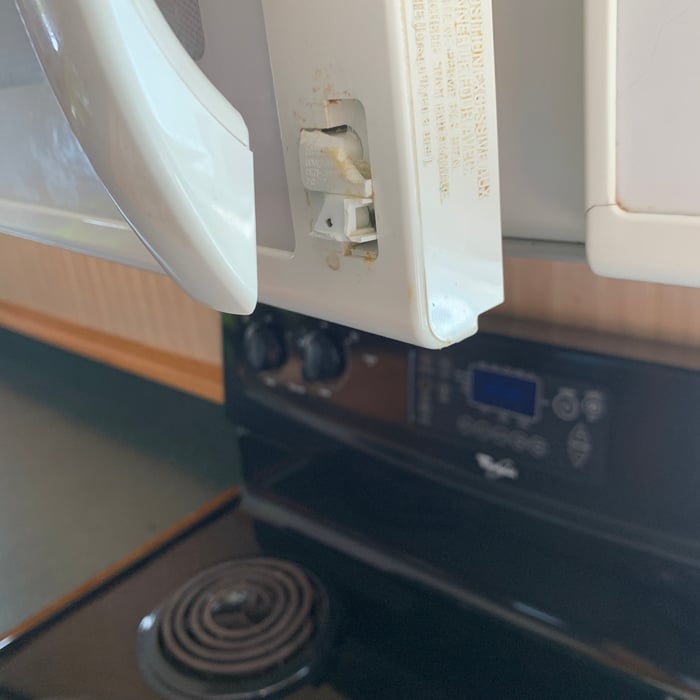
Microwave handle broken.

+35

Recommended by16%of homeowners
Radon Detection and Reduction questions, answered by experts

Radon is present almost everywhere but, like sunlight, the concentration levels and how often you are exposed to it have a large part to play in just how dangerous it is. There are levels of radon that are acceptable inside a house, but above a certain limit, radon becomes a serious radioactive hazard that is a known cause of lung cancer. In fact, radon exposure is the number two leading cause of lung cancer (after smoking).

Keeping radon from getting into your home is much better than having to get rid of it once it's already indoors. While there may not be a way to fully prevent radon from getting into your home, there are things you can do to reduce the gas's ability to enter. 

Sealing foundation cracks and openings can help keep the gas from seeping inside. Improving air flow, such as by opening windows, can also be helpful. If you're building your home from scratch, talk to your contractor about using radon-resistant construction to keep the gas out.

The lifespan of a radon mitigation system depends on the type of system and its maintenance. With proper care, a system can last for many decades. Passive systems tend to last longer as they have fewer components that require replacement. Active systems, which have more moving parts like fans, generally have a shorter lifespan. For instance, water filtration devices and active pressurization systems require more frequent maintenance. While the system as a whole is durable, the radon fan in an active system typically has a lifespan of 5 to 10 years and will need to be replaced. As long as the fan is working, the mitigation system should function correctly.

While DIY testing is possible, abatement generally requires professional installation to ensure efficacy and meet safety standards.

Yes, many systems include warranties for performance. Confirm terms with your installer.

The Stonewood, WV homeowners’ guide to radon detection and reduction services

From average costs to expert advice, get all the answers you need to get your job done.