


Top-rated radon detection and reduction specialists.

Get matched with top radon detection and reduction specialists in Morgantown, WV

Enter your zip and get matched with up to 5 pros

Need a pro for your radon detection and reduction project in Morgantown, WV?

Select your specific project to find the pro for you.

Find Radon detection and reduction specialists in Morgantown

Avatar for Webb Property Inspections
Webb Property Inspections
5.0(
6
)
Radon Gas - Testing

Serving Morgantown, WV and surrounding areas

In business since 2002

Free estimates

Emergency services offered

"⭐⭐⭐⭐⭐ I first worked with Cristian Papa of Webb Inspection Services during a full home inspection last year and was so impressed with his professionalism and attention to detail that I hired him again to evaluate recent roofing work at my property. Cristian conducted a thorough inspection, carefully documented his findings with photographs, and provided a detailed, well-organized report that was easy to understand. His attention to detail and ability to identify areas requiring further review gave me valuable information to make informed decisions regarding my property. Throughout both inspections, Cristian was professional, knowledgeable, responsive, and willing to answer questions. It is clear that he takes pride in his work and provides honest, independent evaluations. I highly recommend Cristian Papa and Webb Inspection Services to anyone looking for a thorough and trustworthy home inspector."
Home Inspection Project
Brand new build inspection (pre-purchase).
Water leak that has left the home with foreign substance growth.
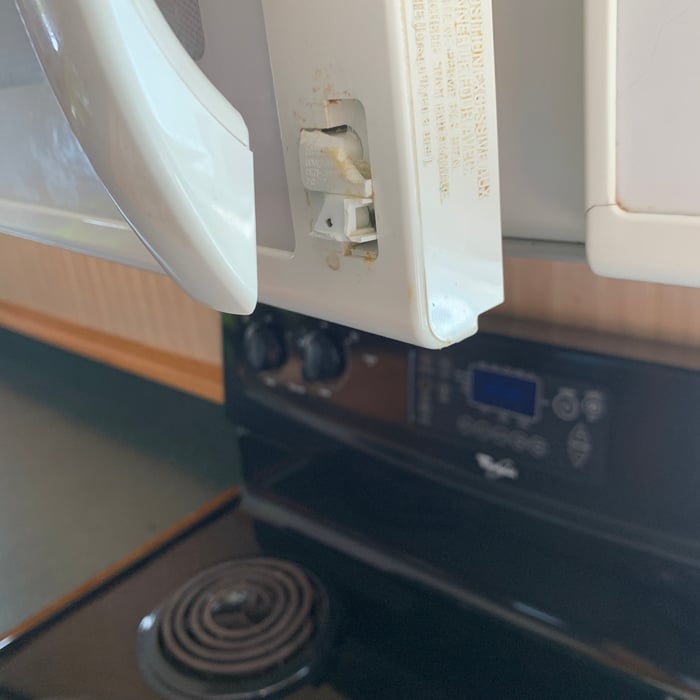
Microwave handle broken.

+35

Recommended by16%of homeowners
Radon Detection and Reduction questions, answered by experts

The soil beneath your house is most likely what’s causing an increased level of radon. This is because soil holds radioactivity for a long time and it’s also what most buildings are built on. Another common source of radon is water from a source that hasn’t been through periodic radon tests, such as well water. Over time, the radon from the soil can inhabit other parts of your house like the foundation or plumbing.

You'll need to test your home for radon after installing the mitigation system, then again every two years. If radon remains elevated, contact a licensed radon professional, either the contractor who installed the system or a different one, and have them evaluate the system. They may need to make some changes to improve its effectiveness and performance.

Ideally, no one will live in a house with elevated radon levels, as prolonged exposure increases the risk of serious health issues like lung cancer. However, homes with radon can be made safe through mitigation systems, such as active soil depressurization. Testing for radon regularly and addressing high levels helps ensure a safe living environment.

The average radon mitigation system uses about 876 kWh of electricity per year, although the exact amount of electricity used will vary depending on the size of the radon fan. Once the system is installed, the annual increase to your energy bill could range from $30 to $300 per year, again depending on the size of the fan.

Your radon fan needs to operate 24/7 to be effective. The only time the fan isn't operating is during its replacement. Radon levels in the home can increase within hours if the fan stops working or something obstructs the stack vent. Fortunately, radon systems require no downtime maintenance between fan changes.

The Morgantown, WV homeowners’ guide to radon detection and reduction services

From average costs to expert advice, get all the answers you need to get your job done.