




Top-rated lawn irrigation specialists.

Get matched with top lawn irrigation specialists in Summit, WI

Enter your zip and get matched with up to 5 pros

Find Lawn irrigation specialists in Summit

Perea Lawn Sprinkler, LLC
5.0(
7
)

Serving Summit, WI and surrounding areas

Free estimates

Emergency services offered

Warranties offered

"I am very pleased with Perea Lawn Sprinkler. I have a few perennial garden beds on my property. Victor was able to come up with solutions to water my gardens along with my lawn. He set up and explained the technology that will keep my yard looking fabulous without me having to do a thing. I am looking forward to the next drought!"
Response time5 days
Response rate100%
Recommended by100%of homeowners
Avatar for Ian's Sprinkler Service LLC
Ian's Sprinkler Service LLC
4.9(
8
)

Serving Summit, WI and surrounding areas

In business since 2024

Free estimates

Emergency services offered

"Ian was a true professional who was able to answer all questions/concerns. Completed all tasks both completely and efficiently. Look forward to a long relationship with Ian’s Sprinkler Service."
Drip insatall
Irrigation work
Irrigation work
Irrigation work
Irrigation work

+7

Response time2 hrs
Response rate95%
Recommended by62%of homeowners
Avatar for Custom Care Landscaping and Design
Custom Care Landscaping and Design
4.5(
6
)

Serving Summit, WI and surrounding areas

Emergency services offered

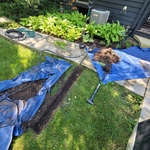
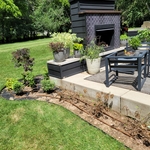
"Epic and the crew from custom care quickly devised a solution to make our yard and water access safe and beautiful.  They did the work faster than expected and were careful to secure all permits and preserve the environment.  Great guys."
Additional Photos
Additional Photos
Additional Photos
Additional Photos
Additional Photos

+5

Recommended by83%of homeowners
Showing 1-10 of 23
Lawn Irrigation questions, answered by experts

Buffalo grass spreads through both underground roots and above-ground stolons. The widespread root and stolon system makes up for this grass’s overall lack of density. It’s a hearty grass, so it spreads on its own slowly, especially considering that most of the male (no staminate) varieties of grass are sterile. You may think about over-maintaining your lawn to encourage growth, but this would have the opposite effect.

Provided you're using an appropriate starter fertilizer for grass seed, you can put down seeds and fertilizer at the same time. However, putting them down separately, one after the other, on the same day will help to avoid over- or under-applying the lawn food. Avoid using a fertilizer with weed control elements, as these will likely keep the grass seeds from starting.  

Yes, some grass will germinate in two weeks or less but it will take several weeks more before it is established enough to walk (or nap) on. To grow grass quickly, follow the tried-and-true-steps carefully, starting with choosing a cool- or warm-season grass seed that flourishes in your home’s climate.

You can reseed a lawn that has dead grass, but it is best to remove the dead patches before you begin. Removing the dead turf and testing the soil will help you determine what is killing the grass so you can make the necessary amendments to prevent the problem from recurring. Once you have made the appropriate adjustments, you can rake, fertilize, and reseed. If your lawn has many large dead patches, it may be more effective to remove all the existing grass, amend the soil, and start over from scratch.

The best time to plant grass seed depends on your local climate and whether you have cool-season or warm-season grass.

For cool-season grasses (like tall fescue), the ideal time to seed is late summer or early fall (typically August and September). During this period, the soil is still warm from the summer, but the air is cooler, creating optimal conditions for germination and root establishment before winter. There is also less competition from weeds. Spring is a secondary option, but cooler soil temperatures, the risk of a late frost, and less time for the grass to mature before summer heat can make it less successful.

For warm-season grasses (like St. Augustine), the best time to plant is from late spring through mid-summer (typically May and June), when temperatures are consistently between 75 and 90 degrees Fahrenheit.

In general, it is best to avoid seeding during winter or early spring, as cold soil and air can prevent seeds from germinating. For recommendations tailored to your specific grass type and climate, consider consulting a local lawn care professional.

The Summit, WI homeowners’ guide to lawn irrigation services

From average costs to expert advice, get all the answers you need to get your job done.