




Top-rated water softener pros.

Get matched with top water softener pros in Phillips, WI

Enter your zip and get matched with up to 5 pros

Need a pro for your water softener service project in Phillips, WI?

Select your specific project to find the pro for you.

Find Water softener pros in Phillips

Water Softeners questions, answered by experts

Whether you need a license or permit for water softener installation depends on your location. Some municipalities require the installer to hold a plumbing license, while others may only require a permit and an inspection. In some cases, both a permit and a licensed installer are necessary, and some areas have no requirements at all. Often, only certified plumbers and electricians are allowed to pull the necessary permits. To find out the specific regulations in your area, you can contact your local building department. Alternatively, a local water softener installer or plumber will be familiar with the requirements and can typically pull the permits for you. Regardless of local laws, it is always recommended to hire a licensed professional to ensure the system is sized and installed correctly. You can use tools like Angi’s state licensing tool to verify an installer's license status.

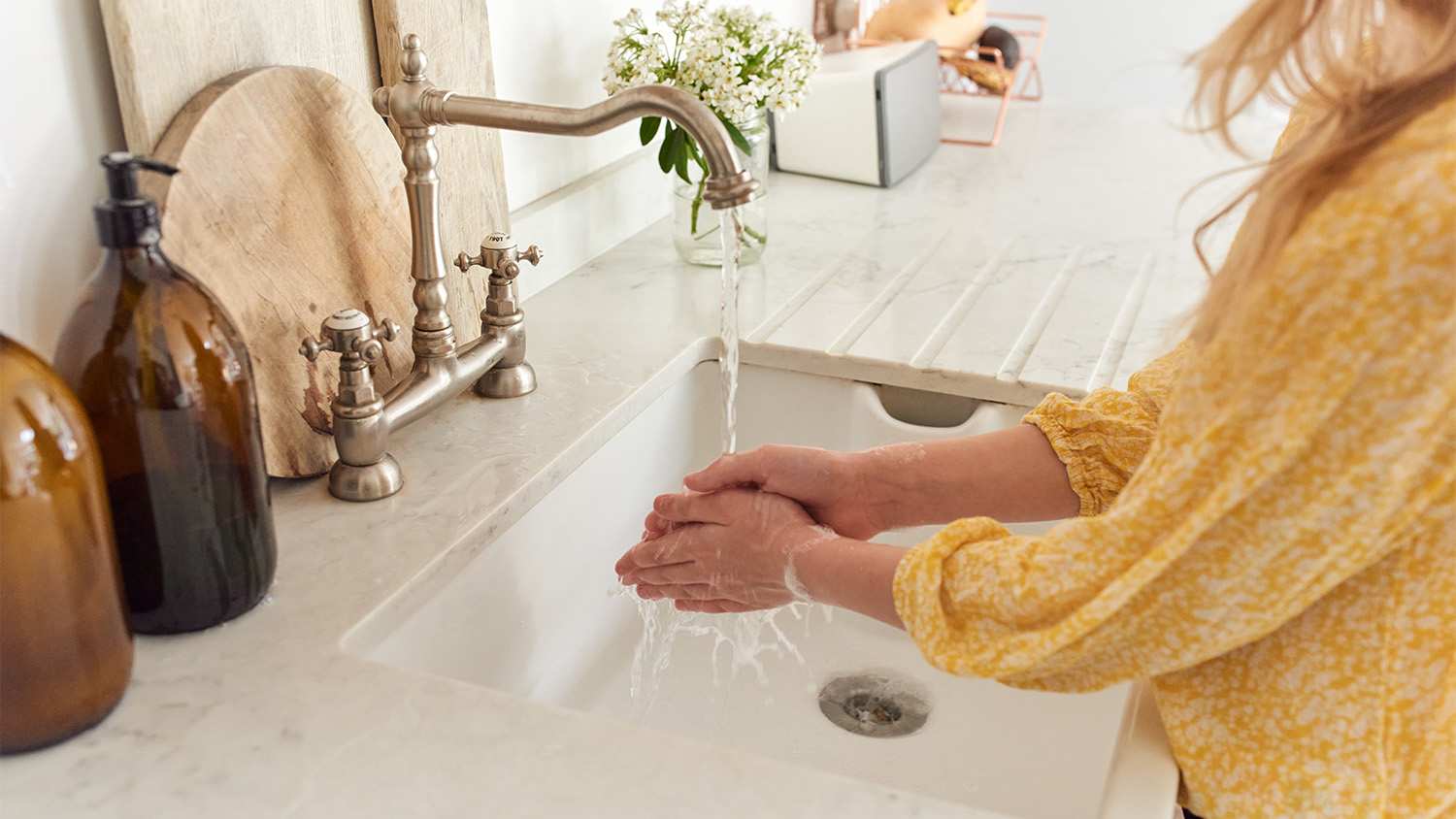
Hard water doesn’t hurt, but it might feel more abrasive, especially if you have sensitive skin. It’s also about how your skin feels after bathing. You might feel as though you have a sticky film over your body because you do—it’s all that soapy residue left behind because the hard water can’t rinse it off completely.

No, hard water isn’t dangerous. The added calcium in hard water can contribute to good bone health. However, it can also cause dry skin and hair. If you have dry skin or hair, consider using a water-softening system to help minimize the minerals in your water. Plus, these systems can also add some sodium to your diet. 

Yes, a water softener can remove scale deposits. According to the U.S. Department of Energy, after you add a water softener to your home, “gradually the softer water will dissolve limescale scale deposits and remove the problem entirely.” Installing a water softener—or water descaler—will also help prevent new scale deposits from forming.

The chemicals in a water softener can wear down the anode rod in the heater and shorten its life span. However, for most people, the benefits of the softener outweigh this potential drawback.

Have a plumber inspect the anode rod annually for damage, as replacing the anode rod is far less expensive than replacing the entire water heater.

The Phillips, WI homeowners’ guide to water softener services

From average costs to expert advice, get all the answers you need to get your job done.