



Top-rated septic tank pros.

Get matched with top septic tank pros in Phillips, WI

Enter your zip and get matched with up to 5 pros

Need a pro for your septic tank service project in Phillips, WI?

Select your specific project to find the pro for you.

Find Septic tank pros in Phillips

Edward J Bergh Construction Inc.
5.0(
3
)
Septic System - Install or Replace - For Business

Serving Phillips, WI and surrounding areas

Approved

In business since 2023

Free estimates

Emergency services offered

We take great pride in our experience, expertise, quality, and customer service are extremely important that we provide to meet the consumer's needs. It is our mission to provide excellent workmanship and complete customer satisfaction, from the start to the completion of a project. In order to understand the needs and expectations of our customers, we take great care to work and communicate with every customer in a professional manner. Our reputation is based on service, safety, and quality, regardless of how large or small the job. M-S 8-5
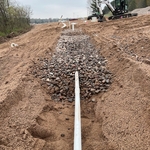
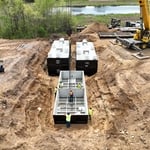
Drain Field
Septic Tanks
Septic Tanks
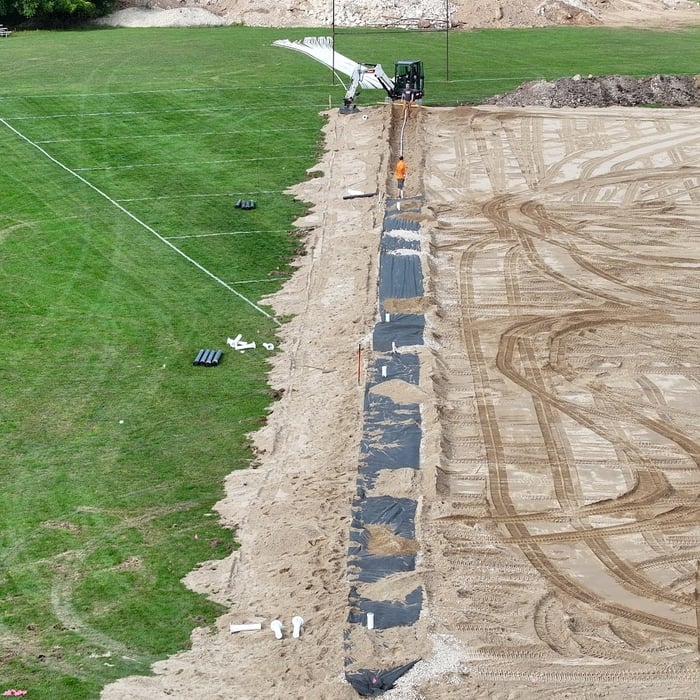
Septic tanks and drain field backfilled
Drain Field

+9

Response time7 hrs
Response rate89%
Recommended by100%of homeowners

Avatar for American Home Shield – Home Warranty
American Home Shield – Home Warranty
3.5(
5,688
)
Septic System - Install or ReplaceSeptic System - Install or Replace - For BusinessSeptic System - Repair+3 more

Serving Phillips, WI and surrounding areas

In business since 1971

Credit card accepted

"The technician emptied the freezer, which was in the basement, to work on the part that needed repair. Then he neglected to put anything back into the freezer, including a turkey I had bought for Christmas and a rack of ribs. Two days after he left, I went out of town for two weeks. The turkey actually exploded and spewed its liquid all over everything, which had to be discarded. I let AHS know and they couldn't even bother to call me or follow up on this. I'm considering not renewing my contract with them because of the quality (or lack thereof) of many of the providers they send."
Additional Photos
Additional Photos
Additional Photos
Additional Photos
Additional Photos

+2

Recommended by65%of homeowners
Septic Tanks questions, answered by experts

There are a variety of different types of septic systems that can work in your home—such as conventional anaerobic systems, chamber systems, drip distribution systems and mound septic systems. All of them work using natural processes to break down solid waste and effectively treat wastewater without needing to be connected to a city sewer system. Which type of septic system you need will depend on characteristics of your property like how high the bedrock is or groundwater table is. Different types of systems come at different costs to install.

There are a few things that can make your drain field fail. These include driving or parking vehicles or heavy machinery on the field, excess sodium in the soil, or having a high water table. You can prevent failure by ensuring your installer checks that your chosen location is suitable for a drain field and properly maintaining your system with the help of a professional.

The dimensions of a 500-gallon concrete septic tank can vary from manufacturer to manufacturer, but the tank is large enough to handle the wastewater of a small home with up to one bedroom. Keep in mind that some states have a minimum septic tank size, and this often starts at 750 gallons. A 500-gallon septic tank may be too small to meet local regulations.

A well pressure tank is located between the well and the well pump, and it stores your water under pressure so that the well pump can eventually do its job. The well pump is activated whenever you turn a faucet on—it pulls the water from the tank into your home. Both are vital parts of a complete well water system.

The pressure in a well pressure tank should be set 2 to 3 PSI below the pump's cut-on pressure. The cut-on pressure is the lower number in the pressure setting (e.g., the '30' in 30/50 PSI) and is the point at which the pump starts. The cut-out pressure is the higher number, where the pump stops.

For example:

  • If your pressure switch is set to 30/50 PSI, the tank pressure should be 27-28 PSI.

  • If your pressure switch is set to 40/60 PSI, the tank pressure should be 38 PSI.

Common pressure settings for household applications include 20/40, 30/50, and 40/60 PSI. The difference between the cut-on and cut-out pressure is typically 20 PSI.

The Phillips, WI homeowners’ guide to septic tank services

From average costs to expert advice, get all the answers you need to get your job done.