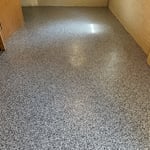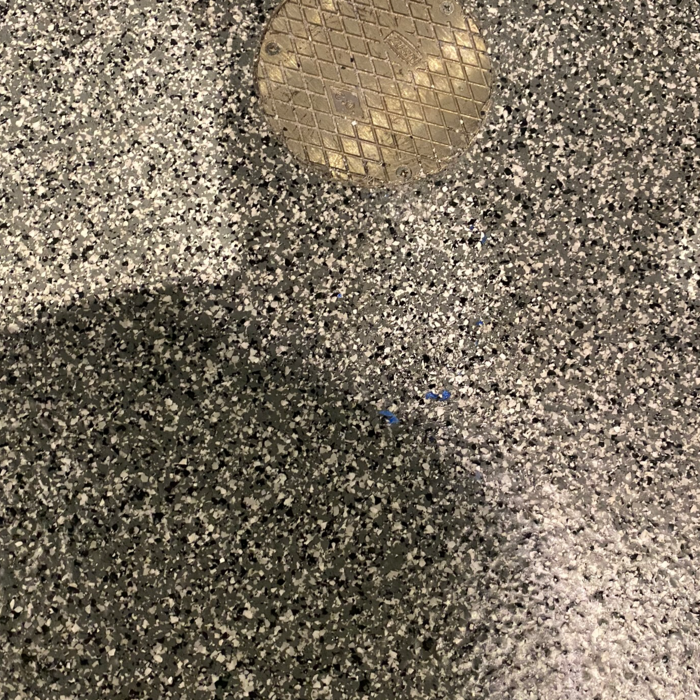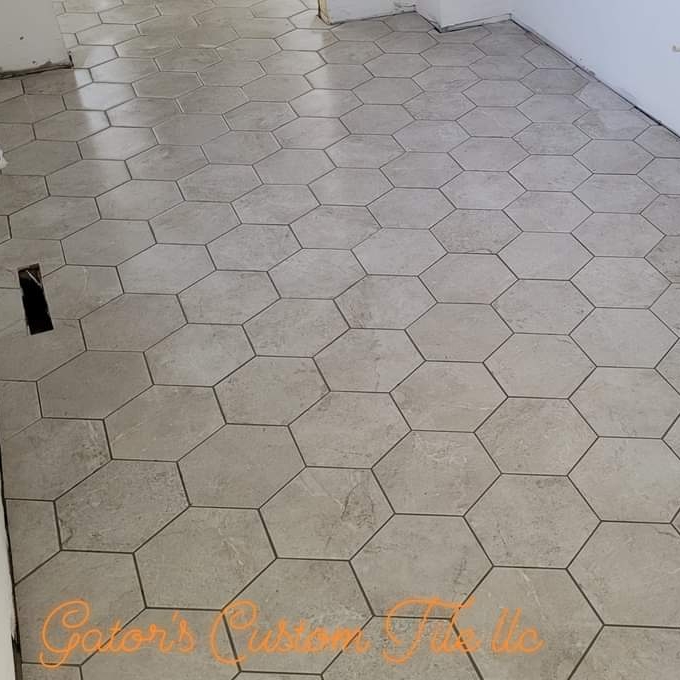



Top-rated ceramic tile pros.

Get matched with top ceramic tile pros in Maine, WI

Enter your zip and get matched with up to 5 pros

Need a pro for your ceramic tile service project in Maine, WI?

Select your specific project to find the pro for you.

Find Ceramic tile pros in Maine

Imperial tile & services
5.0(
3
)
Tile: Ceramic and Porcelain - InstallTile: Ceramic and Porcelain - Install - For BusinessTile: Ceramic and Porcelain - Repair+1 more

Serving Maine, WI and surrounding areas

Emergency services offered

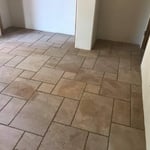
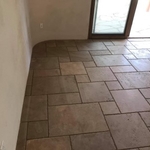
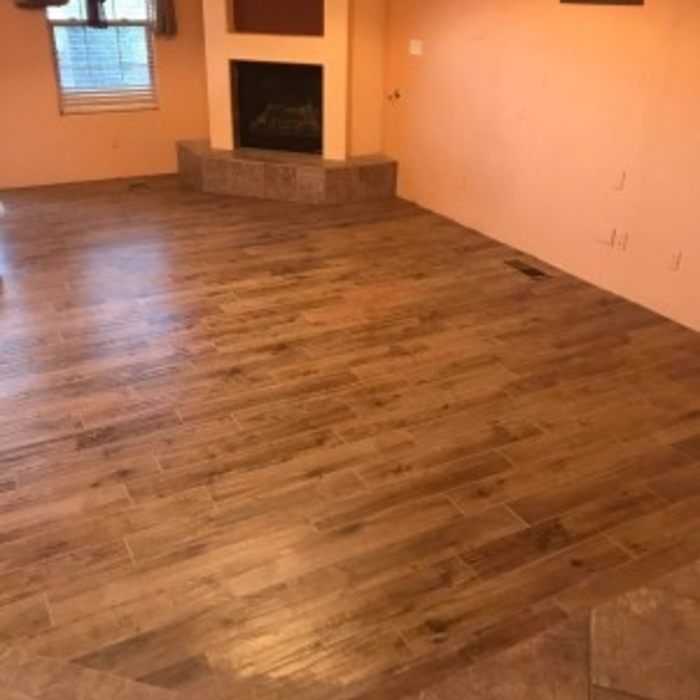
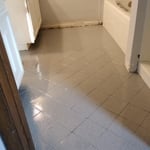
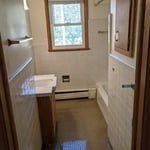
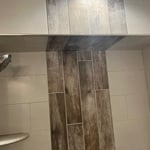
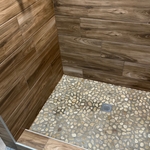
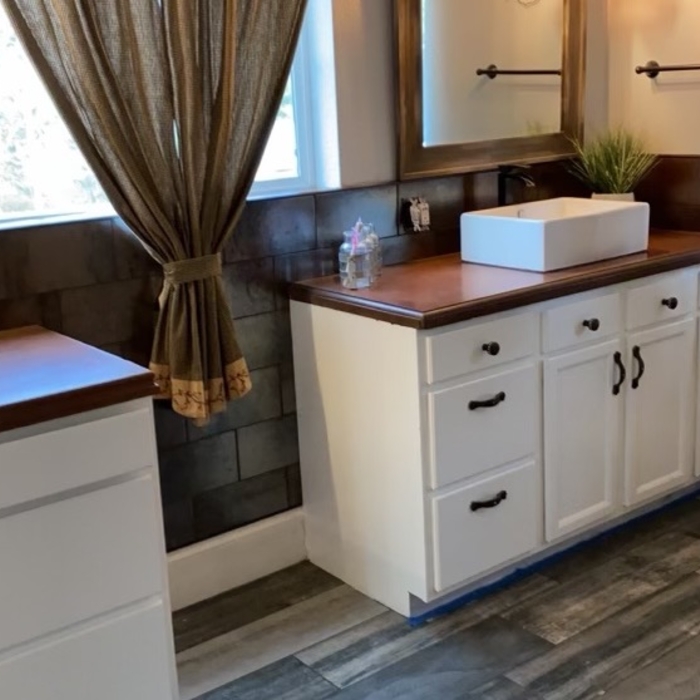
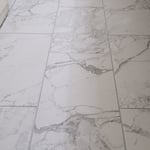
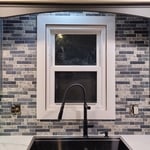
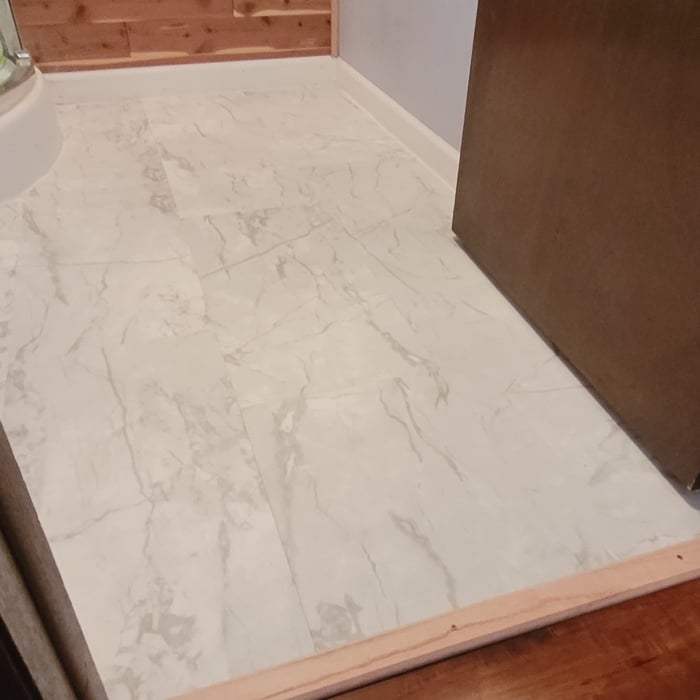
"Dewey was excellent. My tile is my favorite part of my bathroom. Larger rectangles with a veining that is so well matched. The workmanship was excellent, floor was ceramic wide plank wood look and is beautiful! He also came back to install my backsplash! I would highly recommend Dewey. Very clean and efficient and experienced. Got the job done very quickly!"


Tile
Tile
Tile
Tile
Tile

+61

Recommended by100%of homeowners
Showing 1-10 of 30
Ceramic Tile questions, answered by experts

Ceramic tile adheres best with premixed adhesive or mortar. If you’re installing the tile in an area with moisture, such as a bathroom or kitchen, opt for waterproof adhesive, and if you choose mortar, make sure it’s thick because that is the easiest to work with and ensures the tiles will sit flat.

Yes, it’s possible to cut tile without a wet saw; instead, you can use an angle grinder, a glass cutter, a snap cutter, tile nippers, or a rotary tool with a tile-cutting blade. A manual tile cutter or snap cutter works well for the larger tiles that wet saws are typically used for, while smaller projects might just require nippers or a glass cutting wheel. If you’re working with large quantities of tile, however, power tools are best.

Granite countertops cost an average of $3,250 compared to $2,250 for tile countertops. Granite is also harder to DIY than tile, given its weight and bulk, which increases the overall labor cost of installation. Over time, both types of countertops may need sealing to remain resistant to water, heat, and other common kitchen elements.

When choosing between porcelain and ceramic tile, the best option depends on your specific needs, budget, and project application. Porcelain tile is generally more durable, denser, and harder than ceramic, making it a good choice for busy, high-traffic areas. It also offers superior moisture resistance, making it ideal for moisture-retaining spaces. However, porcelain is typically more expensive, and its hardness can make it brittle, potentially causing it to crack if a heavy object is dropped on it. In contrast, ceramic tile is a more budget-friendly option with lower material and installation costs. It is softer and easier to work with, making it a great choice for DIY projects. While not as durable as porcelain, ceramic is still a quality material suitable for many home applications, particularly small, decorative projects.

Tile shouldn’t be set tight against the tub. Bathtubs can expand when filled, and they can shift slightly with the weight of occupants. For this reason, it’s important to leave a slight gap between the bathtub and the first row of tile. Aim for a narrow gap of approximately 1/16 of an inch, filled with caulk, to allow for this expansion and movement while still allowing for tile shower waterproofing.

The Maine, WI homeowners’ guide to ceramic tile services

From average costs to expert advice, get all the answers you need to get your job done.