





Todd Emmert Construction, is committed to excellence in every aspect of our business. We uphold a standard of integrity bound by fairness, honesty, and personal responsibility. Our distinction is the quality of service we bring to our customers. Accurate knowledge of our trade combined with ability is what makes us true professionals. Above all, we are watchful of our customers' interests, and make their concerns the basis of our business.
"I just pay $75 you never know who's going to come out. They do everything electrical. Just about everything is covered except the septic tank. I had an air conditioner replaced. It went great, all I had to do was pay for the freon. He didn't charge e more than what was needed."
Septic tanks and cesspits are both types of sewage and wastewater systems, but they differ in key ways. The main difference between the two systems is that septic tanks separate sewage from wastewater and allow the latter to flow into a drainage field to filter and disperse into the soil. Cesspits don’t have outlets and instead, store sewage until it needs to be pumped by a professional.
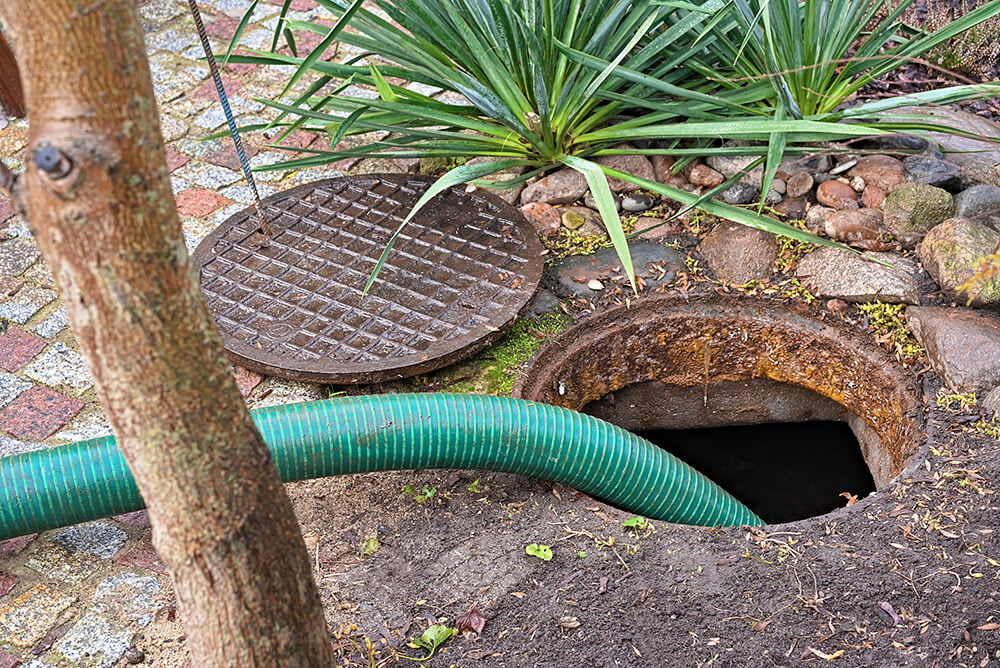
When a septic tank is full, it needs to be professionally pumped. The average cost of a one-time septic tank pump is about $400, or $0.30 per gallon. If your septic tank is full, you may notice that you have issues flushing your toilet, pipes are draining very slowly, or you have a sewage smell lingering in your home or yard.
Most septic tanks can handle two to three loads of laundry per day, or a weekly total of between seven and 10 loads. Although septic systems do require homeowners to be somewhat careful with their plumbing systems—for instance, it’s not a good idea to flush a bunch of toilet paper all at once—they can still handle fairly heavy use.
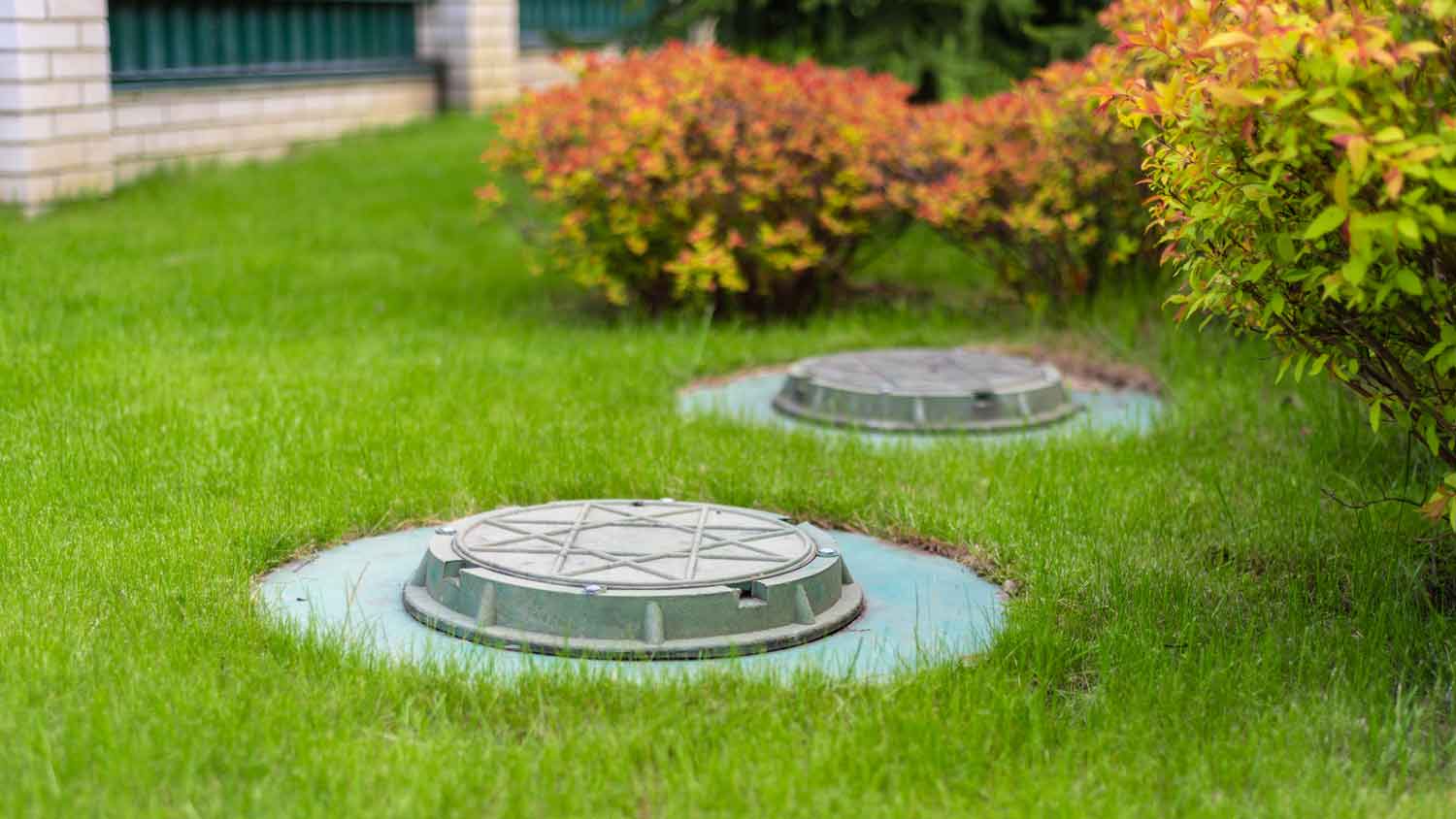
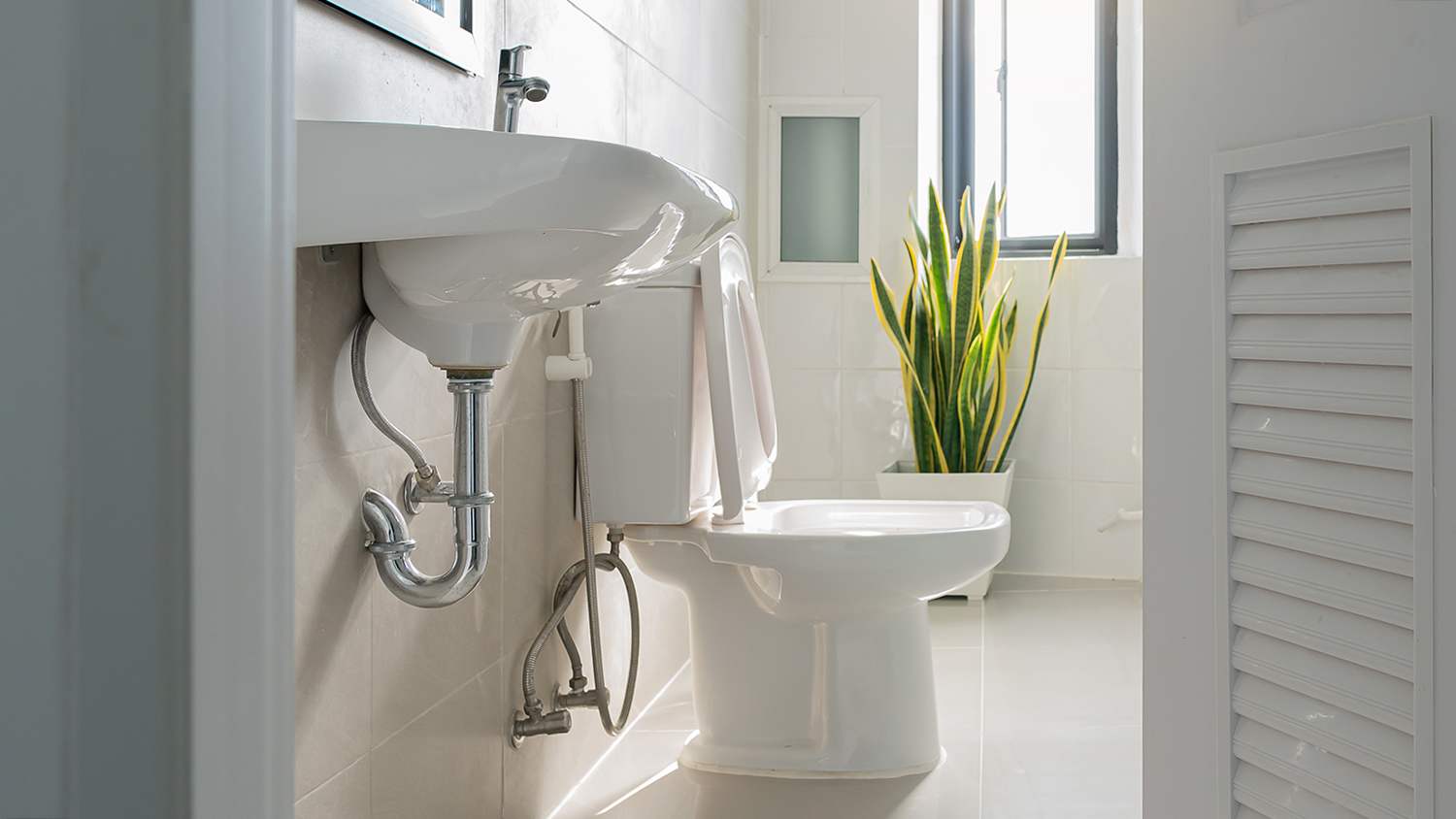
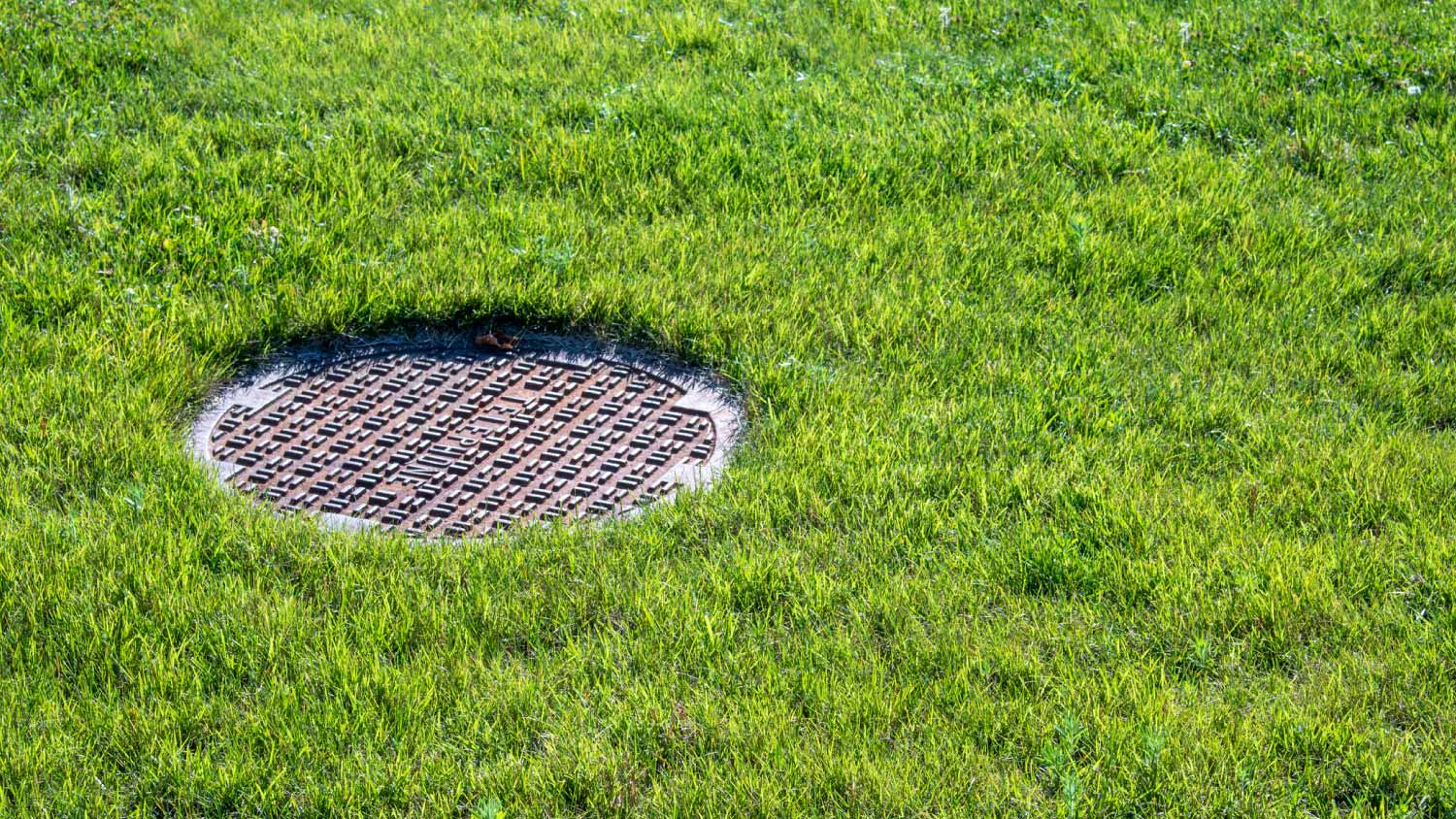
Unlike an urban sewer system that runs wastewater into a central drainage system, septic tanks are a house-by-house system. They are the ultimate destination for all your house’s wastewater—from bathtubs, showers, sinks, toilets, and washing machines. Wastewater flows into a tank buried in the ground outside your home, and then water runs from the tank to a drainage field using sloped pipes.
The size of your septic tank plays a role in determining the proper size of the drain or leach field. As a general rule, you should have 1 square foot of drain field size per gallon of septic tank capacity. However, you could install a leach field that’s as much as 2.5 square feet per gallon of septic tank capacity. Most professionals determine the right septic tank size and drain field size by the number of bedrooms in the house. A three-bedroom house needs a minimum 1,000-gallon septic tank, for example.
The Denmark, WI homeowners’ guide to septic tank services
From average costs to expert advice, get all the answers you need to get your job done.
Caring for your septic system is crucial to ensuring its long life. But how much does it cost to pump a septic tank? We explore the different cost factors.
A damaged septic system can leak odors and sewage, so repairs are urgent. Find out how much septic tank repair costs based on repair type, tank size, and more.
Septic tank risers make it easy to access your septic tank when it’s time for routine inspection, maintenance, and pumping, saving you precious time and labor costs.
Septic tank sizes vary depending on the size of your home, how many people live there, how much water you use, and more. Read on to learn how to determine the right size for you.