


Top-rated drywall pros.

Get matched with top drywall pros in Fitchburg, WI

Enter your zip and get matched with up to 5 pros

Need a pro for your drywall service project in Fitchburg, WI?

Select your specific project to find the pro for you.

TRUSTED BY FITCHBURG, WI HOMEOWNERS

  • Average homeowner rating star icon4.8
    Average homeowner rating
  • Verified reviews icon209
    Verified drywall services reviews

Find Drywall pros in Fitchburg

Avatar for O.G. Property Services
O.G. Property Services
4.9(
42
)
Drywall - RepairDrywall - Repair - For Business

Serving Fitchburg, WI and surrounding areas

Approved

Super Service Award Winner

Warranties offered

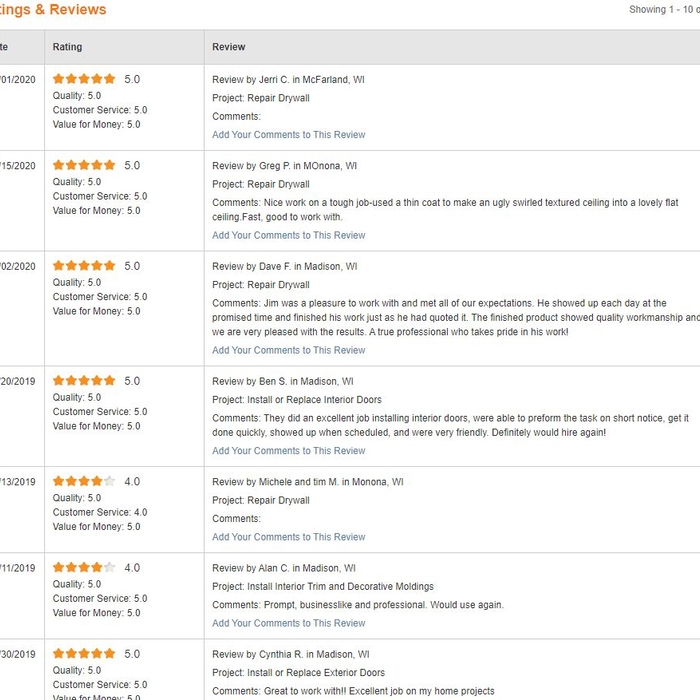
Customers say: True professional

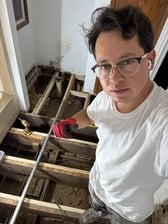
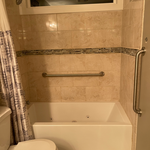
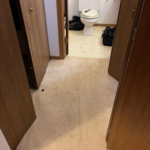
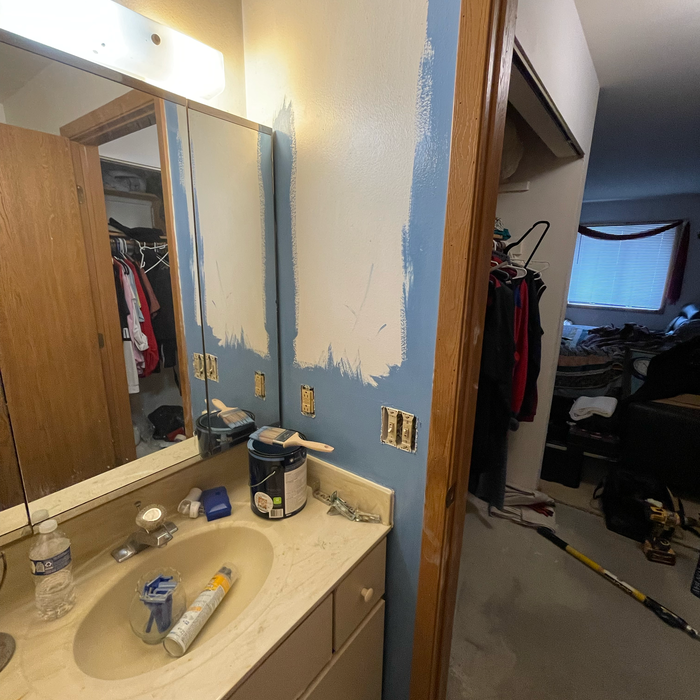
"I don’t think there is anything Oscar can’t do. He put up screens, fixed electrical issues, installed an air conditioner, fixed door jams so that our doors would lock, added a handrail to the basement and sanded and painted holes on the wall. I can’t say enough good things about Oscar’s work. He is very personable too. I highly recommend Oscar for any job you might need done."
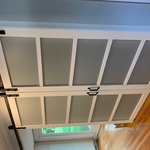
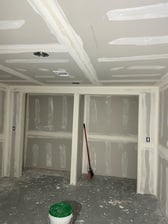
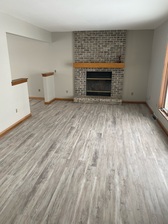
Additional Photos
Additional Photos
Additional Photos
Additional Photos
Additional Photos

+15

Response time3 days
Recommended by85%of homeowners
Avatar for Double F Drywall & Painting, LLC
Double F Drywall & Painting, LLC
5.0(
3
)
Drywall - Repair

Serving Fitchburg, WI and surrounding areas

Approved

In business since 2022

Free estimates

Customers say: Quick response

"Felipe was prompt and very knowledgeable on drywall repair and painting. He communicated very well and was able to provide the quote and do the work with a very quick turnaround. The repairs look great and he was even kind enough to recommend materials for a future project."
Response time4 hrs
1 neighbors recently requested a quote
Recommended by100%of homeowners
...
Showing 1-10 of 171
Drywall questions, answered by experts

If your home’s foundation shifts slightly over time, any seams in the drywall represent the weakest point in the wall, leading to cracks. If your home has significant changes in temperature and humidity, this can cause the drywall to swell and contract slightly, causing a crack at the weak point of the seam. If your drywall installer did a poor job securing the panels to the wall studs, this could cause a weak layout and cracks in the seams.

Wall anchors are suitable for drywall and plaster walls, which are common in most homes. However, different wall materials may require specialized anchors. For concrete or masonry walls, you'd typically use concrete anchors. When dealing with other wall types, such as brick or tile, specific anchors designed for those materials may be necessary. Always consult with a hardware specialist or check the manufacturer's recommendations to ensure you select the appropriate anchors for your specific wall type.

Plaster itself has a higher R-value than drywall. However, there are other considerations surrounding plaster and insulation. As a general rule, it's easier to obtain consistency in insulating value and quality when working with drywall rather than plaster. Plaster walls often don't contain any insulation behind the wall covering by design, and careful evaluation is necessary when choosing to add it.

There are several benefits to wet-sanding drywall, but the main perk is that it produces far less dust than dry-sanding. As a result, wet-sanding poses fewer health risks and makes less of a mess in your home. Plus, damp sponges are less abrasive than sandpaper, so there’s a smaller chance of scratching or damaging the drywall paper. Wet-sanding also creates a smoother finish than dry-sanding.

Although they have similar applications, spackle and joint compound are not the same. Their primary differences lie in their composition, consistency, and ideal use cases.

Spackle is composed of gypsum and binding agents, making it thicker than joint compound. It dries quickly and is easy to sand, which makes it ideal for small wall repair projects like filling nail holes or patching minor damage.

Joint compound, also known as drywall mud, consists of limestone and gypsum. It is primarily used for large-scale projects, such as taping and finishing the seams on newly installed drywall. It tends to shrink more than spackle and can be more difficult to spread.

While both products can be used to fill small depressions and cracks, spackle cannot replace joint compound for taping and mudding new drywall. Conversely, you can often use joint compound for small patching jobs typically done with spackle.

The Fitchburg, WI homeowners’ guide to drywall services

From average costs to expert advice, get all the answers you need to get your job done.