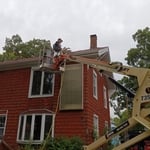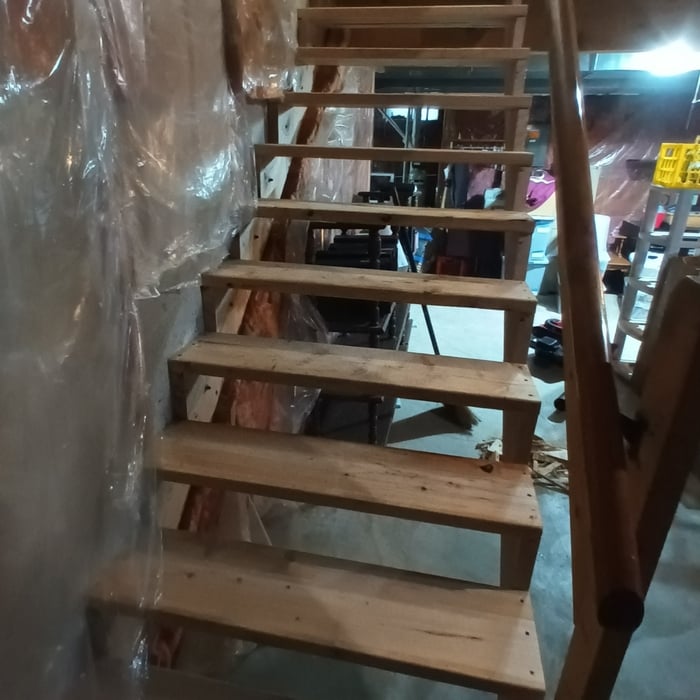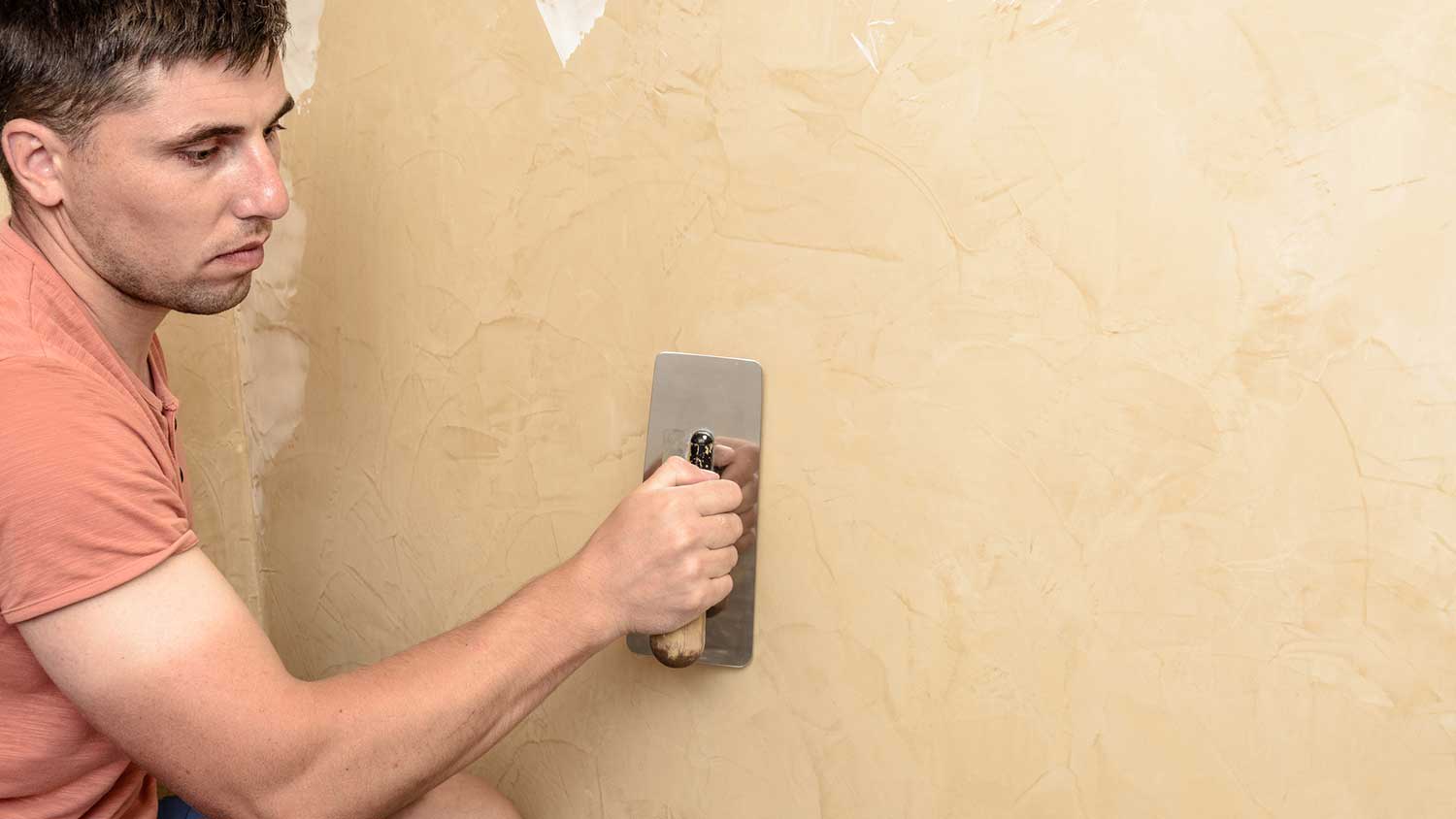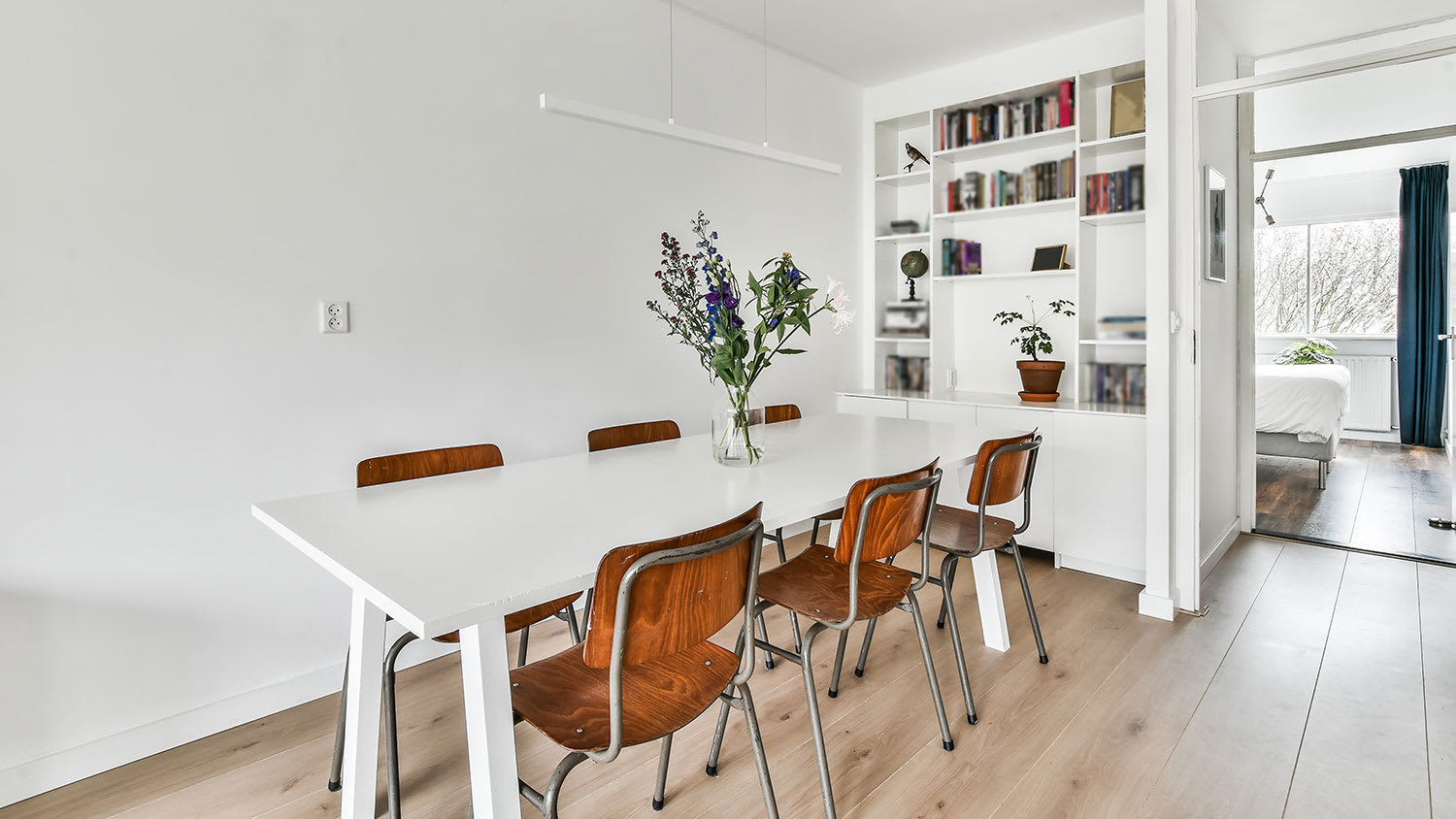






Top-rated drywall pros.

Best drywall pros near Marshall, WI

Enter your zip and get matched with up to 5 pros

Need a pro for your drywall service project in Marshall, WI?

Select your specific project to find the pro for you.

TRUSTED BY MARSHALL, WI HOMEOWNERS

  • Average homeowner rating star icon4.3
    Average homeowner rating
  • Verified reviews icon61
    Verified drywall services reviews

Top-Rated Drywall pros in Marshall - Updated Nov 2026

Avatar for Total Textures, Inc.
Total Textures, Inc.
4.9(
10
)
Drywall - Install - For BusinessDrywall - RepairDrywall - Repair - For Business

Serving Marshall, WI and surrounding areas

Approved

In business since 2010

Free estimates

Warranties offered

"Total Textures responded to my inquiry very quickly - within hours. Chad came out to look at the project and give me an estimate within 3 days of us speaking on the phone. The work was completed in less than 1 week after he came out. I was very pleased with the quality of work and the entire experience with Total Textures! I will use them again for EIFS work."
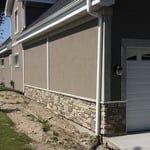
EIFS System
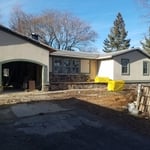
House from afar
Front of House-Stone & EIFS
Pawelski Projects
Finished Front Elevation

+219

Response time2 days
Recommended by100%of homeowners
Avatar for JDC Contracting
JDC Contracting
4.8(
36
)
Drywall - InstallDrywall - Install - For BusinessDrywall - Repair+1 more

Serving Marshall, WI and surrounding areas

Approved

In business since 2020

Free estimates

Warranties offered

"John installed crown and base molding throughout entire kitchen. He drywalled areas where walls had been removed and arches expanded. He was very efficient, professional, and completed the job as agreed on time and within budget. We will use him in the future for other remodeling projects!"
Response time1 day
2 neighbors recently requested a quote
Recommended by88%of homeowners
Avatar for JWC
JWC
4.6(
10
)
Drywall - RepairDrywall - InstallDrywall - Install - For Business+1 more

Serving Marshall, WI and surrounding areas

Approved

In business since 2023

Free estimates

Emergency services offered

"I hired JWC to repair my sill plate and associated face boards, an approximate 4x28 foot area sitting under my patio door. To do so, he and his crew had to jack up one side of the house and work in a tight crawl space and outside in nasty weather. Jordan and his crew were very easy to work with and displayed excellent attention to detail. His rates were most reasonable and he did an excellent job of answering my questions and addressing my concerns in a timely manner. I plan to hire him again for other work."
Trim installation
Trim installation
Baseboards
Trim installation
Trim installation

+17

Response time3 days
4 neighbors recently requested a quote
Recommended by80%of homeowners
...
Showing 1-10 of 116
Drywall FAQs, answered by experts

Yes, if there is mold in your drywall mud and you then use it to build walls in your house—or if mold develops in your set drywall, like it can in hot and humid areas—it can lead to illness. Mold in your drywall (or other parts of your home) can make existing respiratory conditions or allergies worse, and the effect can be more intense for those who have existing health issues or compromised immune systems.

Beadboard is a decorative element and lacks the structural integrity of drywall. It cannot hold much weight and is not meant to be used as an insulator or moisture barrier, like drywall is. In almost all cases, beadboard is placed over an existing wall surface which, in modern days, is usually drywall, but decades ago could have been wood paneling.

Plaster ceilings can sag for several reasons. In some cases, the plaster and other building materials shift and come apart over time, which is why you’ll commonly find drooping plaster ceilings in older homes. Improper installation, foot traffic, and water damage—often from a leaky roof or a broken pipe—can also cause plaster ceilings to sag.

Although they have similar applications, spackle and joint compound are not the same. Their primary differences lie in their composition, consistency, and ideal use cases.

Spackle is composed of gypsum and binding agents, making it thicker than joint compound. It dries quickly and is easy to sand, which makes it ideal for small wall repair projects like filling nail holes or patching minor damage.

Joint compound, also known as drywall mud, consists of limestone and gypsum. It is primarily used for large-scale projects, such as taping and finishing the seams on newly installed drywall. It tends to shrink more than spackle and can be more difficult to spread.

While both products can be used to fill small depressions and cracks, spackle cannot replace joint compound for taping and mudding new drywall. Conversely, you can often use joint compound for small patching jobs typically done with spackle.

Installing or repairing plaster on ceilings differs slightly from performing the same motions on a wall. You’ll apply slightly less plaster to lower the overall weight of the ceiling. Wall texturing is common, whereas most ceilings are smooth plaster. Tough coat plaster is strong, meaning you can use less while retaining a solid surface.

The Marshall, WI homeowners’ guide to drywall services

From average costs to expert advice, get all the answers you need to get your job done.