




Top-rated drywall pros.

Best drywall pros near Lodi, WI

Enter your zip and get matched with up to 5 pros

Need a pro for your drywall service project in Lodi, WI?

Select your specific project to find the pro for you.

TRUSTED BY LODI, WI HOMEOWNERS

  • Average homeowner rating star icon4.5
    Average homeowner rating
  • Verified reviews icon53
    Verified drywall services reviews

Top-Rated Drywall pros in Lodi - Updated Nov 2026

Avatar for 365 Remodeling, LLC
365 Remodeling, LLC
New to Angi
Drywall - RepairDrywall - Repair - For Business

Serving Lodi, WI and surrounding areas

Approved

In business since 2020

Free estimates

Warranties offered

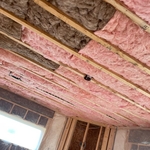
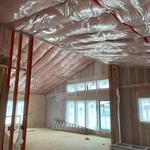
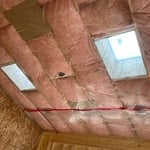
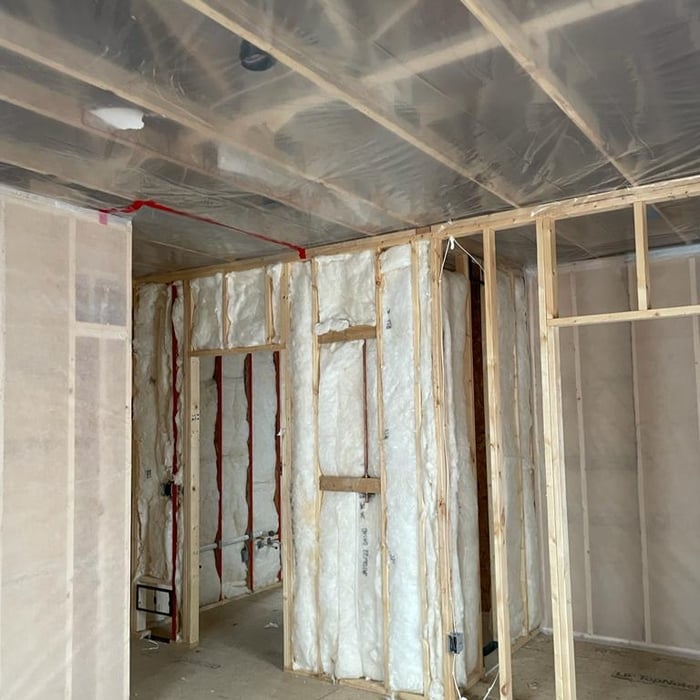
We pride our company on reliability, great communication, integrity and quality work. We are experts in our Blown-In Insulation and will do our best to keep you as educated as we can on your particular task or project. We look forward to working with you.

Insulation
Insulation
Insulation
Insulation
Blow

+20

Response time11 hrs
Response rate89%
...
Showing 1-10 of 84
Drywall FAQs, answered by experts

There is no way to cut drywall without making dust, but you can reduce the amount of dust and especially the dangerous airborne particles by using manual cutting tools. Using a utility knife to score and snap your drywall will minimize dust production, and a jab saw for cutting cutouts for boxes and fixtures will generate almost no airborne dust. Even if you use these methods, you should still wear a respirator and safety goggles to avoid damage to your lungs and eyes.

Wet-sanding and dry-sanding each have pros and cons. Dry-sanding is less messy, so it’s a good option if you’re trying to minimize dust (for example, if you’re sanding an occupied home or working with particularly dry or dusty drywall mud). However, dry-sanding is quicker because you don’t have to keep rinsing a sponge or wait for it to dry before painting.

Fixing ceiling nail pops involves similar steps to wall repair, with the major difference being the orientation of the work. Ceiling nail pops can be more challenging because you may need to work overhead, which can be physically demanding and require additional safety precautions. Additionally, the ceiling may have different materials or finishes, such as textured surfaces, which can affect the repair process. Otherwise, the fundamental steps are the same.

Look for flaking paint or air bubbles that burst and then flake away. Paint will begin to flake after being exposed to minimal moisture or water, so it’s a good indicator of any water damage. If you notice your paint starting to flake, feel the plaster underneath to see if it is soft or damp.

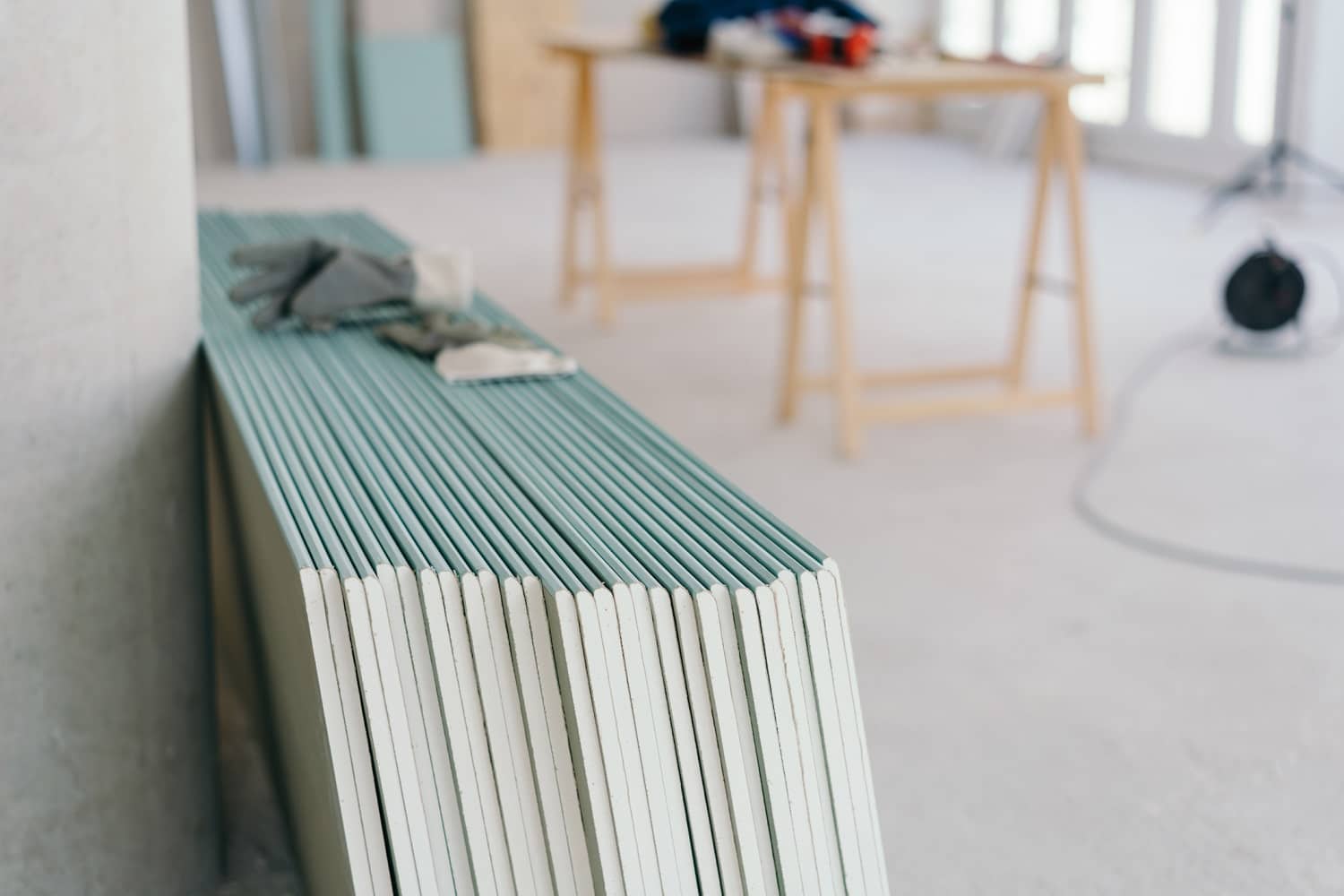
Most drywall used for interior walls of homes is 1/2-inch thick. This size strikes a balance of being easy to handle and hang while being thick enough for the durability needed on interior wall applications.

The Lodi, WI homeowners’ guide to drywall services

From average costs to expert advice, get all the answers you need to get your job done.