






Get matched with top paving pros in Dane, WI

Dane homeowners rate paving pros in our network

4.4

(94 reviews)

Top-rated paving pros.

Need a pro for your paving service project in Dane, WI?

Select your specific project to find the pro for you.

Find Paving pros in Dane

Avatar for B&E Asphalt
B&E Asphalt
4.3(
19
)

Serving Dane, WI and surrounding areas

Approved

In business since 1995

Free estimates

Emergency services offered

"Had rain day after paving. left a large puddle of water. Was not sloped properly. Called 3 times, and said he would stop by, but never showed up."
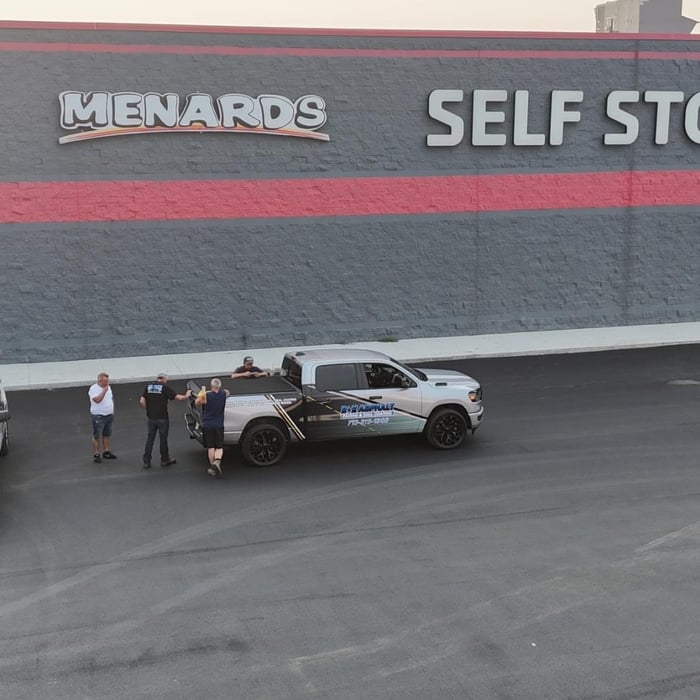
Asphalt menards
Menards
Menards
New Asphalt parkinglot
Sealcoating

+8

2 neighbors recently requested a quote
Recommended by50%of homeowners
Avatar for Daniel's Landscaping
Daniel's Landscaping
5.0(
2
)

Serving Dane, WI and surrounding areas

Approved

In business since 2015

Free estimates

Emergency services offered

"This company worked VERY quickly and went above expectations - turned our mess of a lawn after a house fire into a beauty. They were phenomenal"
Patio
Patio
Patio
Patio
Patio

+12

Response time5 hrs
Response rate98%
107 neighbors recently requested a quote
...
Showing 1-10 of 57
Paving Services questions, answered by experts

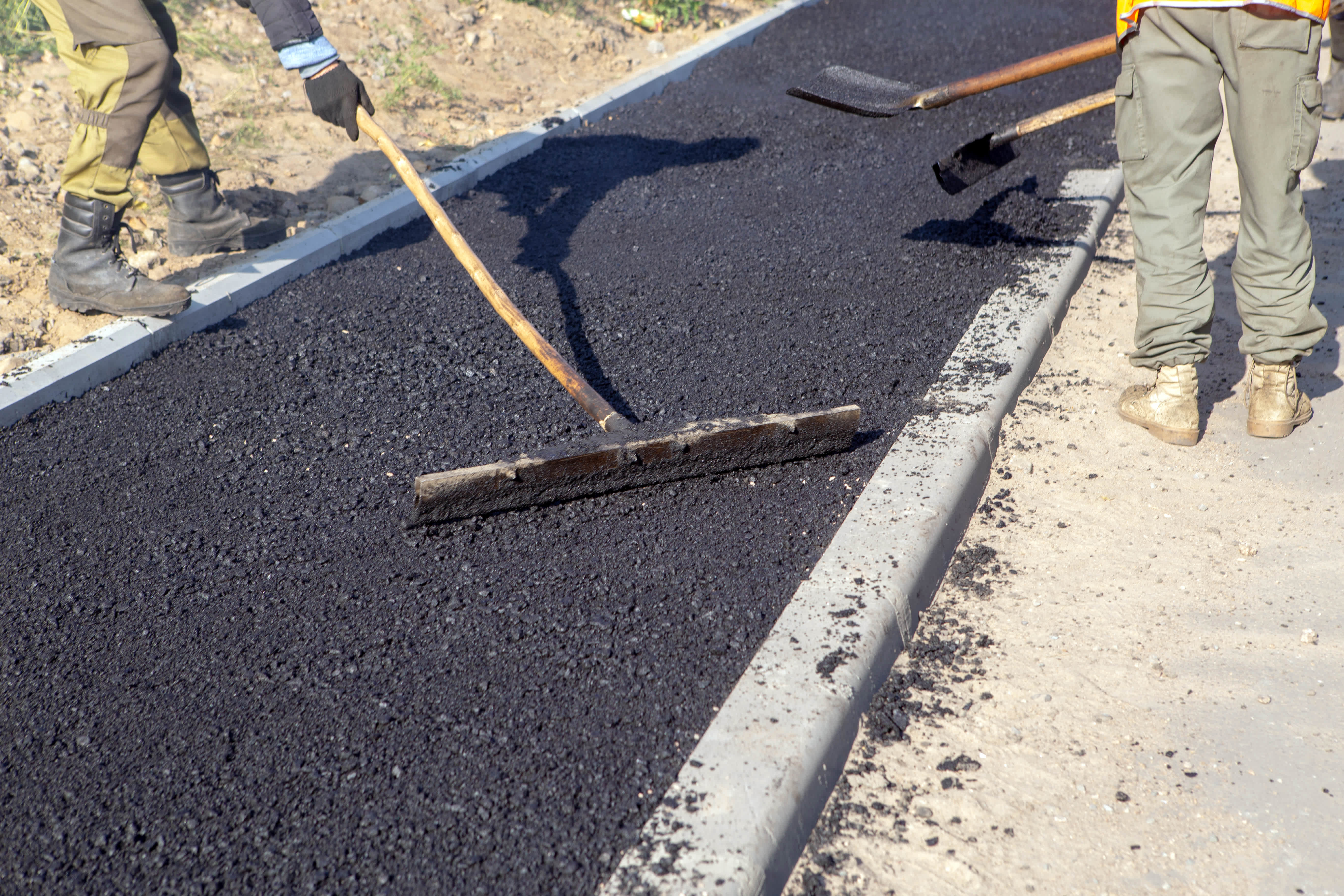
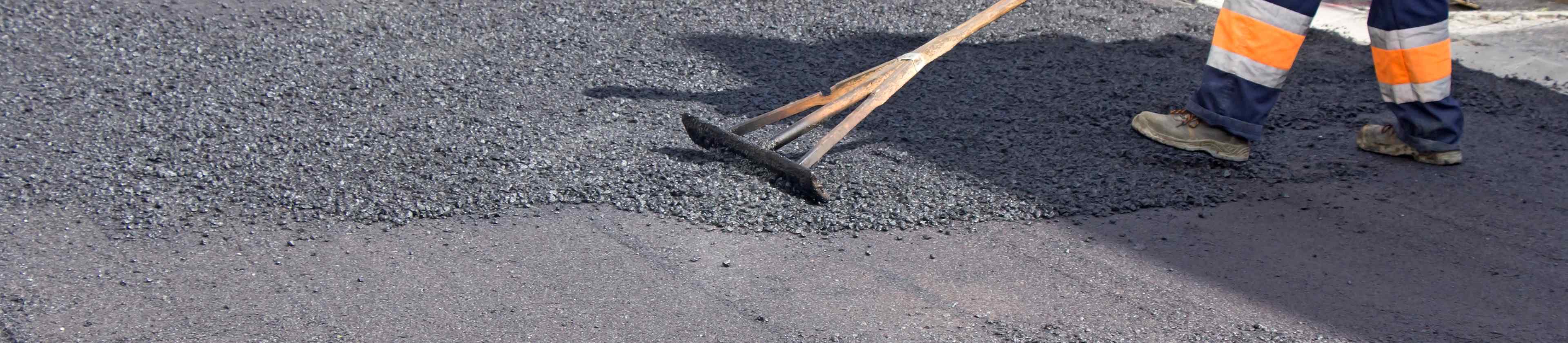
Asphalt and tarmac are not the same thing. Traditional tarmac, short for tarmacadam, uses tar as a binder to hold crushed stone together. Asphalt uses bitumen—a byproduct of crude oil—to bind aggregate. Though tarmac was once a go-to for roads, asphalt has become the modern standard. And these days, most surfaces referred to as “tarmac” are actually asphalt. So, while the names may overlap, the key distinction lies in the binder—tar for tarmac and bitumen for asphalt.

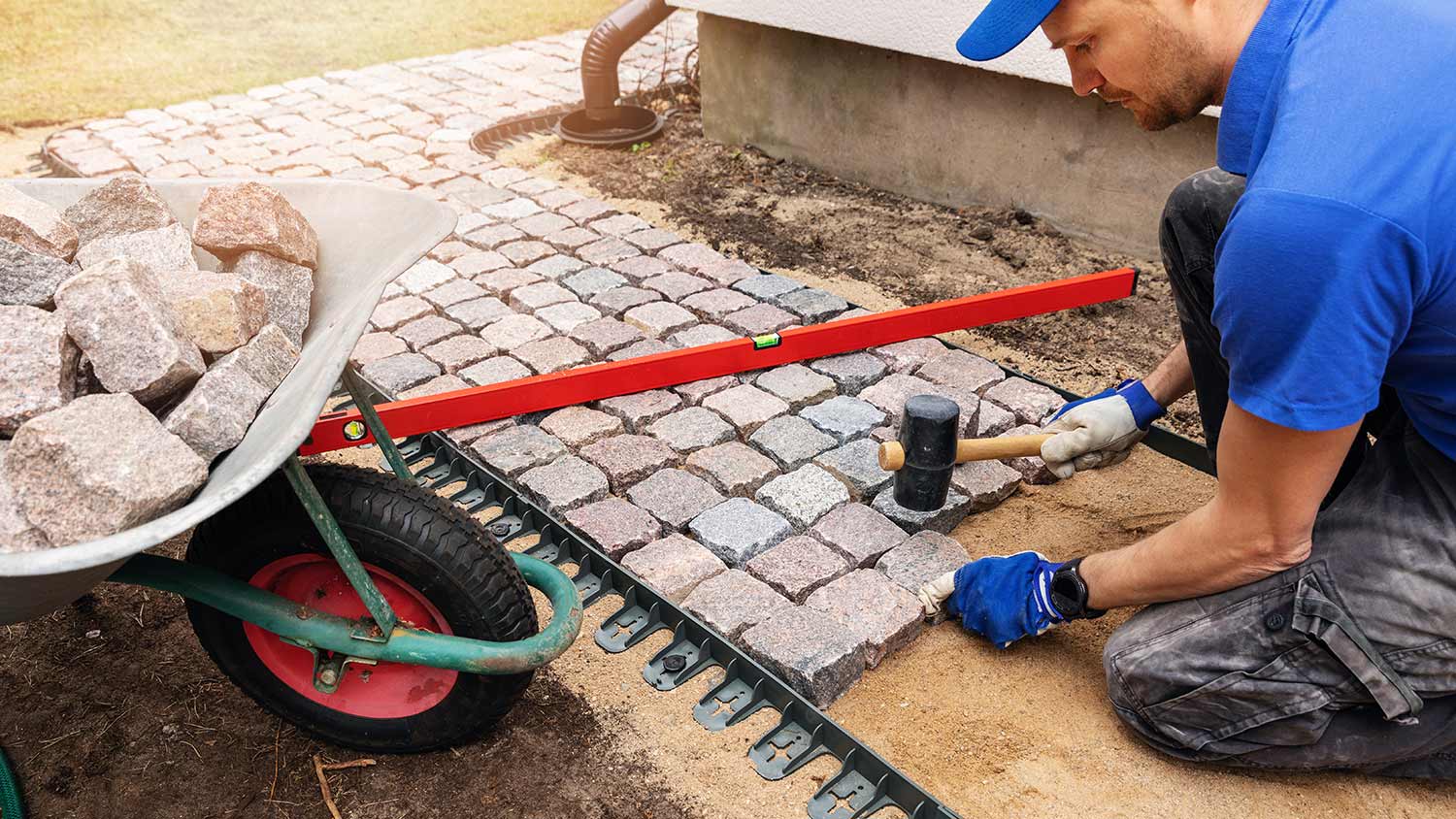
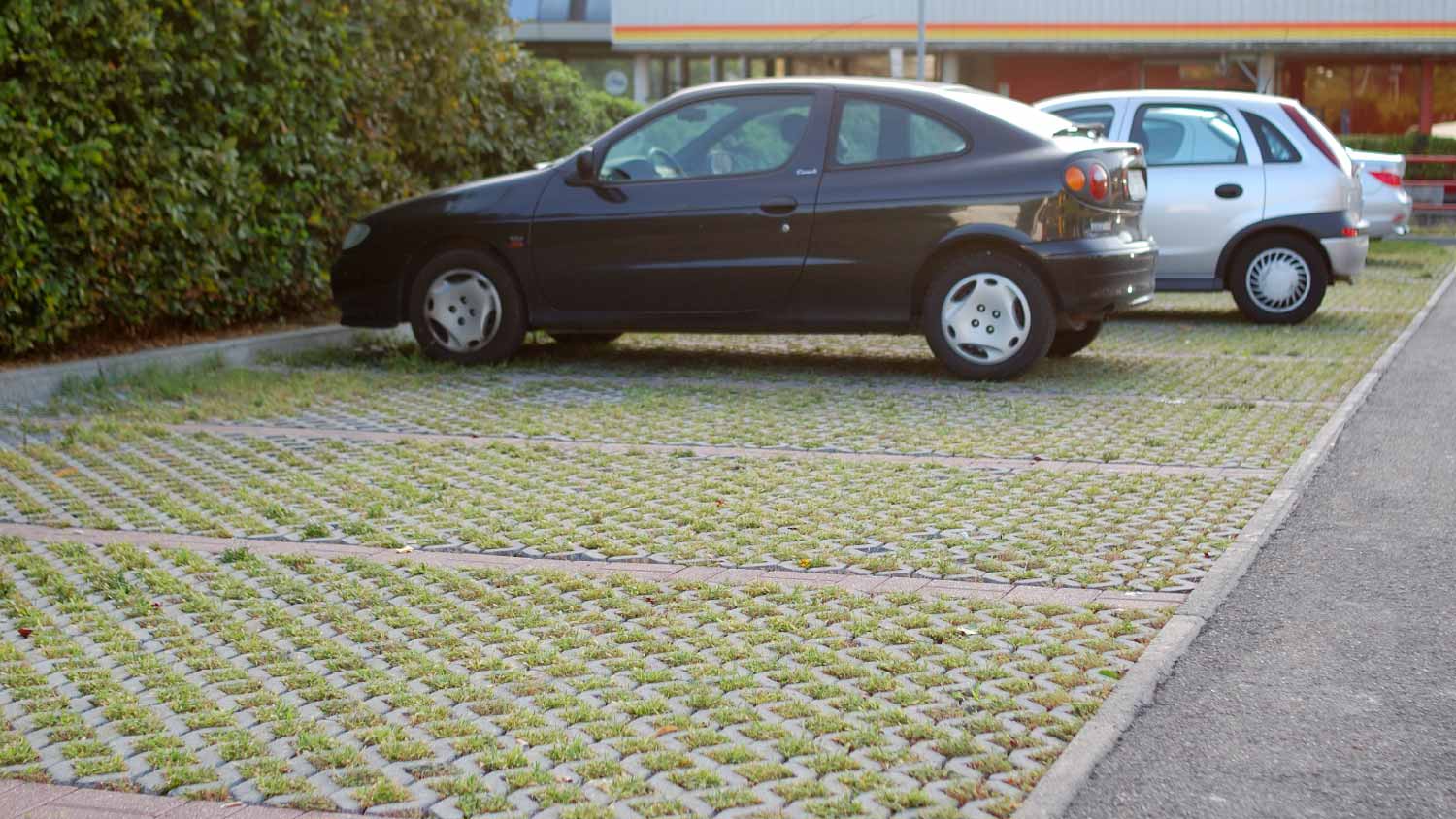
Interlocking pavers offer a number of advantages over regular pavers. For instance, they’re more durable, more resistant to shifting, and easier to repair. There are also permeable options that allow for drainage. However, interlocking pavers are more often more expensive than regular pavers and are prone to growing weeds over time.

The most common causes of sunken pavers are poor base preparation and insufficient compaction. The problem could also be how your pavers were installed. If the soil beneath your patio or walkway wasn't compacted, it will pull pavers down as it settles. Additionally, using bare soil instead of making a paver bed with compacted gravel and sand can cause sinking over time. To fix sunken pavers, consider recompacting the base and addressing any drainage or erosion issues in the area.

The layer of polymeric sand under the pavers plus the polymeric sand that gets swept into the joints between your pavers holds them in place in a few ways. For one, the gritty texture of the sand helps lock the pavers together. Polymeric sand also contains bonding agents that get activated by water. Polymeric sand will take between 24 and 48 hours to fully cure, so do not walk on your paver walkway before this time.

Chip seal layers gravel and a liquid bitumen one at a time on-site, while asphalt directly pours a pre-combined mixture. Asphalt must be sealed, but it will last up to four times as long as chip seal driveways. Aesthetically, chip seal has a natural, rustic look compared to the traditional asphalt slab.

The Dane, WI homeowners’ guide to paving services

From average costs to expert advice, get all the answers you need to get your job done.