






Top-rated water softener pros.

Get matched with top water softener pros in Conover, WI

Enter your zip and get matched with up to 5 pros

Need a pro for your water softener service project in Conover, WI?

Select your specific project to find the pro for you.

Find Water softener pros in Conover

Water Softeners questions, answered by experts

The main difference between a water softener and a water filter is what they remove from the water. A water softener is specifically designed to remove hard minerals, while a filter removes a wider range of contaminants above a certain size, such as bacteria and other impurities. If your primary goal is to remove minerals, a softener is the best choice. If you want to remove various contaminants for safety or taste, a filter is more suitable. Filters are also typically less expensive to install. Depending on your water supply's specific issues, you may need to install both systems for comprehensive treatment.

Yes, you can have both a water softener and a water filter. In fact, some manufacturers sell dual water softening and filtration systems that treat hard water and provide clean drinking water. If you’re unsure about what you need or want to discuss your options, reach out to a local water softener installation company.

Yes. Hard water is what causes scale buildup, and a whole-house filter provides numerous benefits beyond water softening. Any water that enters your home will go through the filter, which cleans up all water that you will use for cooking, bathing, and drinking. A whole-house water filter also blocks harmful particles like heavy metals.

A water softener is a worthwhile investment if you live in an area with hard water. While hard water is safe to drink, it contains minerals like calcium and magnesium that can cause significant problems over time. These minerals build up inside pipes, reducing water flow and eventually corroding the plumbing system, which can lead to leaks and a shortened lifespan. Hard water also damages fixtures and appliances, potentially resulting in costly repairs. Additionally, it makes soaps and detergents less effective, meaning you'll use more product to get things clean. By installing a water softener, you can prevent these issues. The initial investment is often recouped through long-term savings, including lower energy bills, reduced appliance and plumbing maintenance, and spending less on soap and cleaning supplies. Other benefits include cleaner linens, dishes, and clothing, as well as softer water that is gentler on your skin and hair. In some areas, a water softener can also increase your home's value, making it a valuable long-term investment.

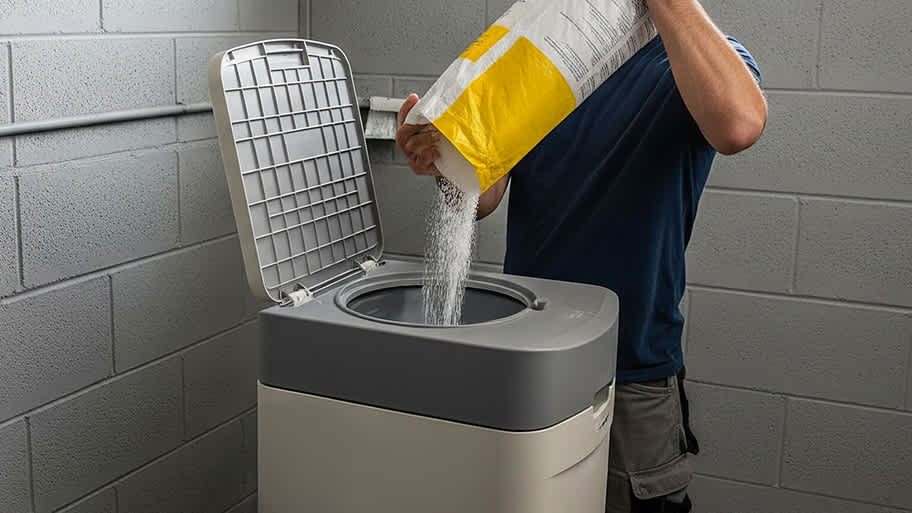
You can install a water softener system by turning off the water supply, draining the water, and then connecting your device to the waterline. Next, you’ll fill your tank with the recommended amount of salt or brine (whichever your unit calls for; be sure to read the instructions). Turn the water supply on and check for leaks. You can opt to let your water run for a few minutes, then test it using strips. 

The process of inspecting your water softener system is similar.

The Conover, WI homeowners’ guide to water softener services

From average costs to expert advice, get all the answers you need to get your job done.