"He was able to quickly diagnose that the water leak from the water heater was a result of a ruptured tank, resulting in the need to replace the entire water heater."
Customer satisfaction is what determines our success, which is why we take a hands-on approach. When interacting with G and J Plumbing PLLC, you'll notice that we're particularly focused on the principles of quality workmanship, timely completion, competitive pricing and integrity in all our business dealings. We combine knowledge and research with our extensive practical experience to ensure a specialized approach for your project needs. Contact us today for a fair and accurate estimate of your project. We look forward to adding you to our long and growing list of happy customers.
We pride our company on reliability, great communication, integrity, and quality work. We are experts in our trade and will do our best to keep you as educated as we can on your particular task or project. We look forward to earning your business!
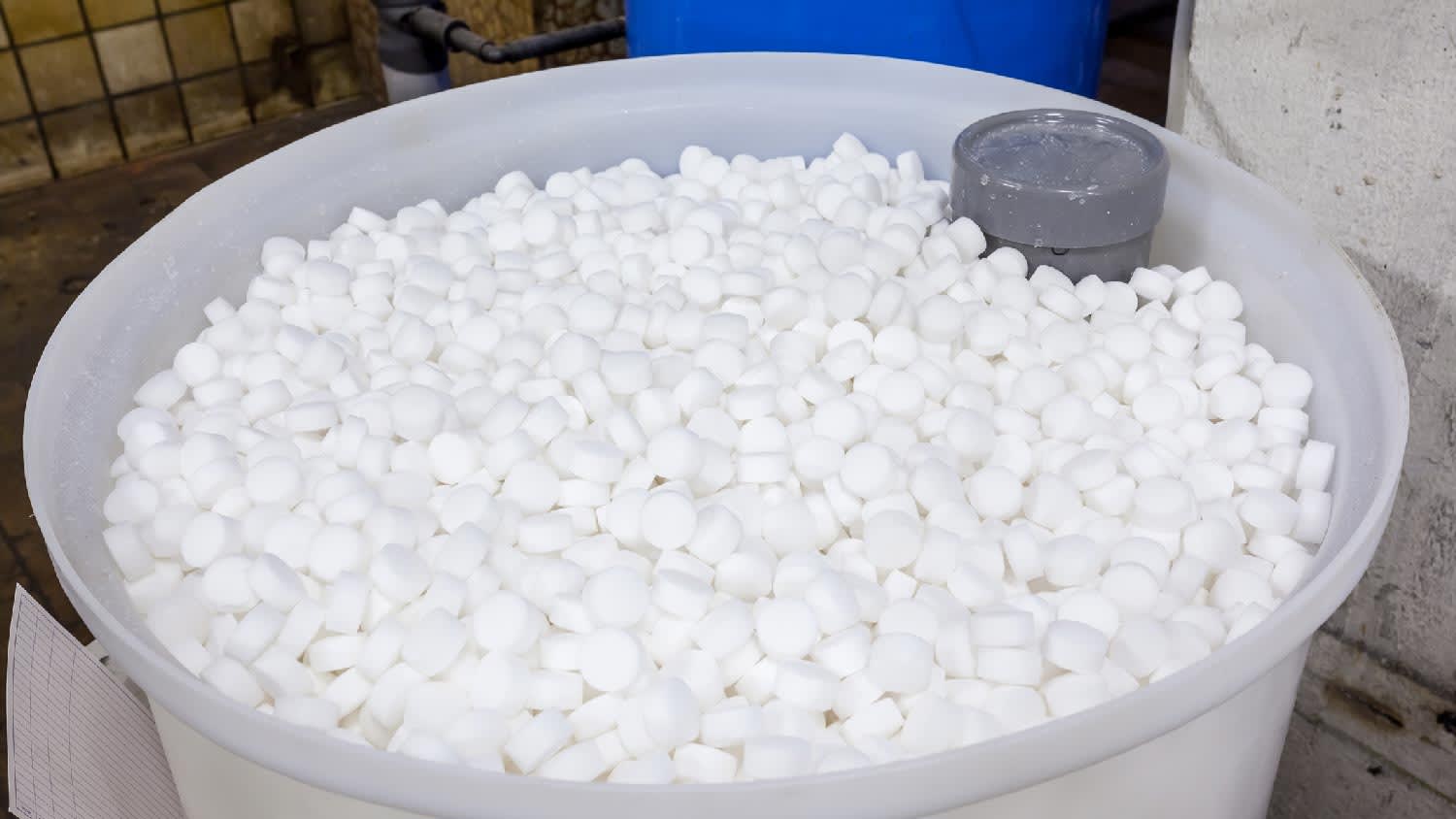
Softened water prevents scale deposits, reducing appliance wear, leading to energy savings and longer-lasting household fixtures.
Installing a water softener could help reduce calcium buildup in your pool if your pool has high calcium hardness as a result of hard drinking water in your home. Pool softeners work by exchanging calcium and magnesium for sodium, so if you use softened water to top off your pool, it may help keep calcium hardness from rising over time. However, it won’t lower the calcium hardness of the water already in your pool and isn’t a practical way to control pool calcium levels. The average water softener installation cost is between $200 and $6,000.
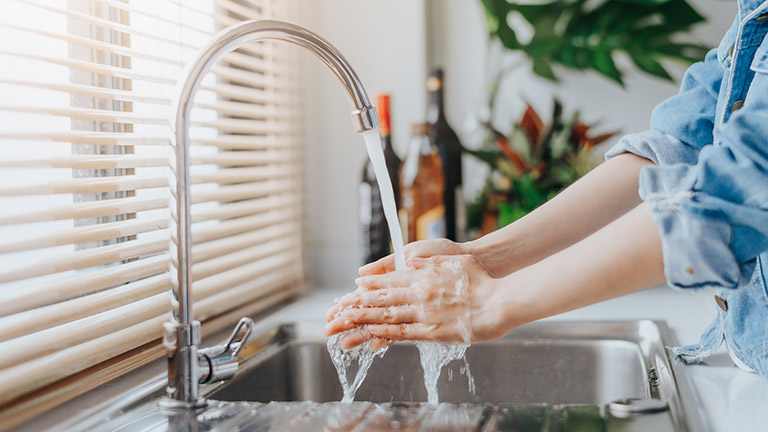
Drinking hard water is not known to have any negative health impacts. Using hard water can lead to dry skin and hair, and the minerals in hard water can build up in pipes, faucets, and appliances. Hard water is more of a threat to your plumbing than it is to your health.
Choosing involves understanding water hardness levels, household size, desired features, and consulting professionals experienced in suitable system types.
The main difference between a water softener and a water filter is what they remove from the water. A water softener is specifically designed to remove hard minerals, while a filter removes a wider range of contaminants above a certain size, such as bacteria and other impurities. If your primary goal is to remove minerals, a softener is the best choice. If you want to remove various contaminants for safety or taste, a filter is more suitable. Filters are also typically less expensive to install. Depending on your water supply's specific issues, you may need to install both systems for comprehensive treatment.
The Bruce Crossing, MI homeowners’ guide to water softener services
From average costs to expert advice, get all the answers you need to get your job done.
Water softener repair costs can add up, but they’re almost always worthwhile. Use this guide to see what your project is going to cost before you get started.
There are four common softener alternatives available on the market today. We compare and contrast each one to help you find your best-fit solution in this blog.
Who repairs water softeners? You should be able to hire water softener repair and installation companies or plumbers to fix issues with these appliances.
Water softeners last up to 25 years, but maintenance, usage, and other factors can affect the life span. Learn more about how long water softeners last.