




Senior Pools Plastering LLC
Above Ground Swimming Pool or Accessories - Repair or ServiceHot Tub or Spa - Repair or ServiceIn Ground Swimming Pool or Accessories - Repair or Service+6 more
Serving Boyd, WI and surrounding areas

*The Angi rating for Pool And Spa Servicing companies in Boyd, WI is a rating based on verified reviews from our community of homeowners who have used these pros to meet their Pool And Spa Servicing needs.
*The HomeAdvisor rating for Pool And Spa Servicing companies in Boyd, WI is a rating based on verified reviews from our community of homeowners who have used these pros to meet their Pool And Spa Servicing needs.
Last update on May 09, 2026
Serving Boyd, WI and surrounding areas

Serving Boyd, WI and surrounding areas
In business since 2008
Emergency services offered
Credit card accepted
"It was great, the pool technician was very helpful and kept us updated on what repairs were needed. He followed up after his visit to ensure we knew the next steps. 10/10 would have this technician again."

Serving Boyd, WI and surrounding areas
In business since 1971
Credit card accepted
"They take money on muy account for my home warranty service, and they are very responsive, and very reliable. They send Repair companies to my house for repairs and services."





+2
From average costs to expert advice, get all the answers you need to get your job done.
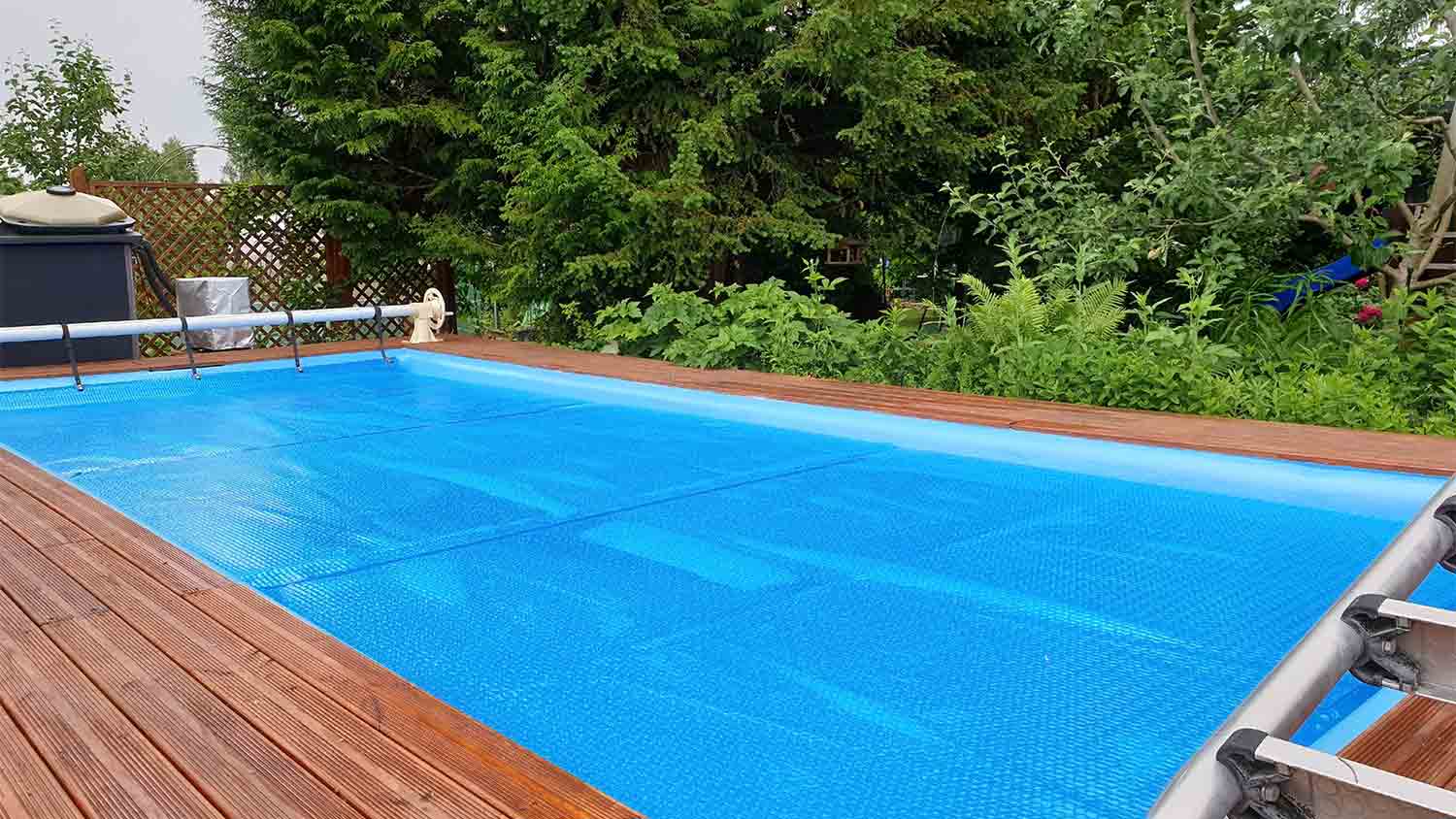
Discover the average cost of pool closing, what impacts pricing, and how to save. Get transparent estimates and expert tips for closing your pool.
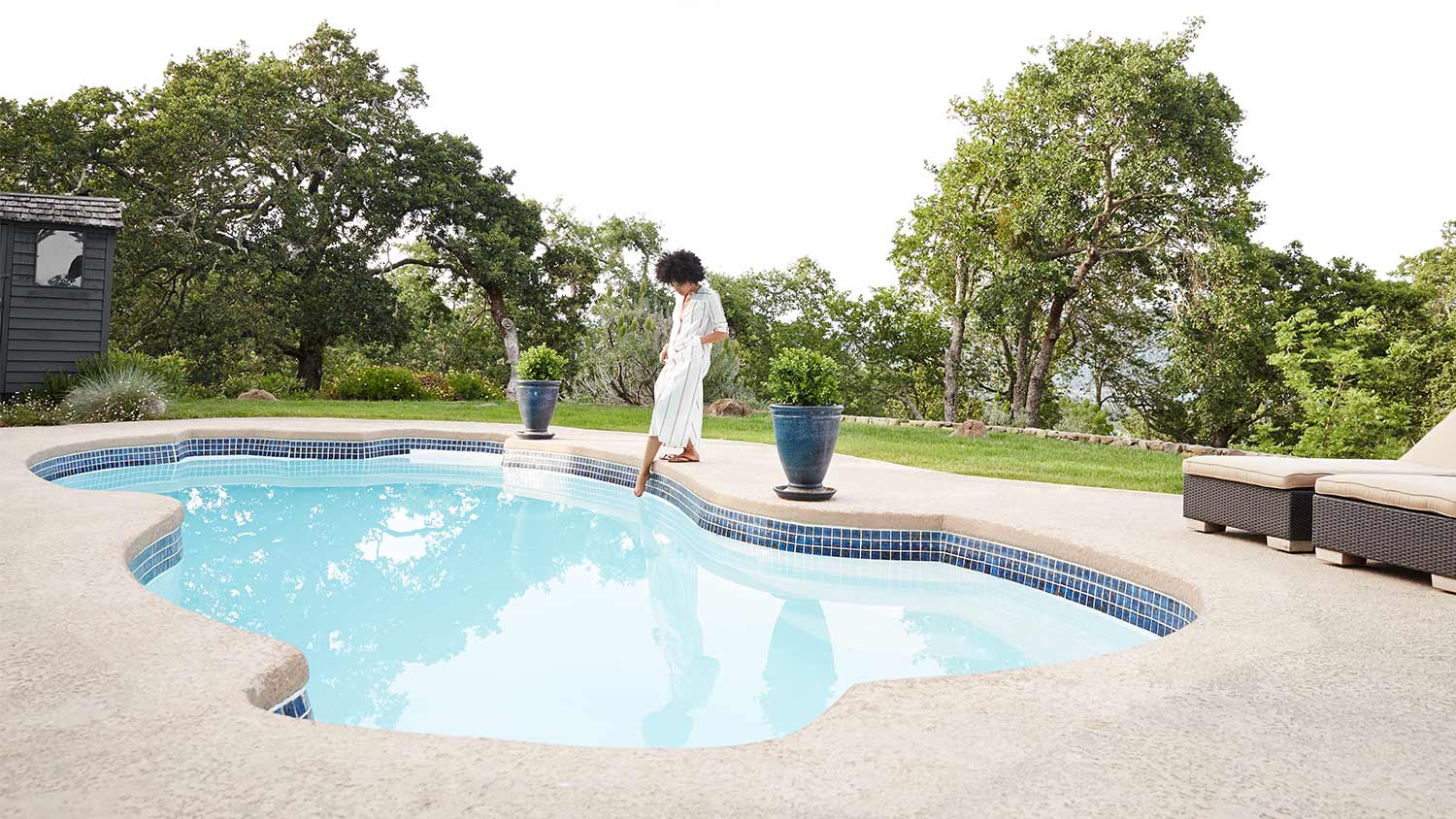
Discover how much pool maintenance costs, including average prices, cost factors, and expert tips to help you budget and keep your pool sparkling all season.

Discover how much a pool vacuum costs, including average prices, installation, and maintenance factors to help you budget for a cleaner pool.

What’s the difference between a swim spa vs pool? Both can be great additions to your property; here’s how to decide which one makes the most sense for you.
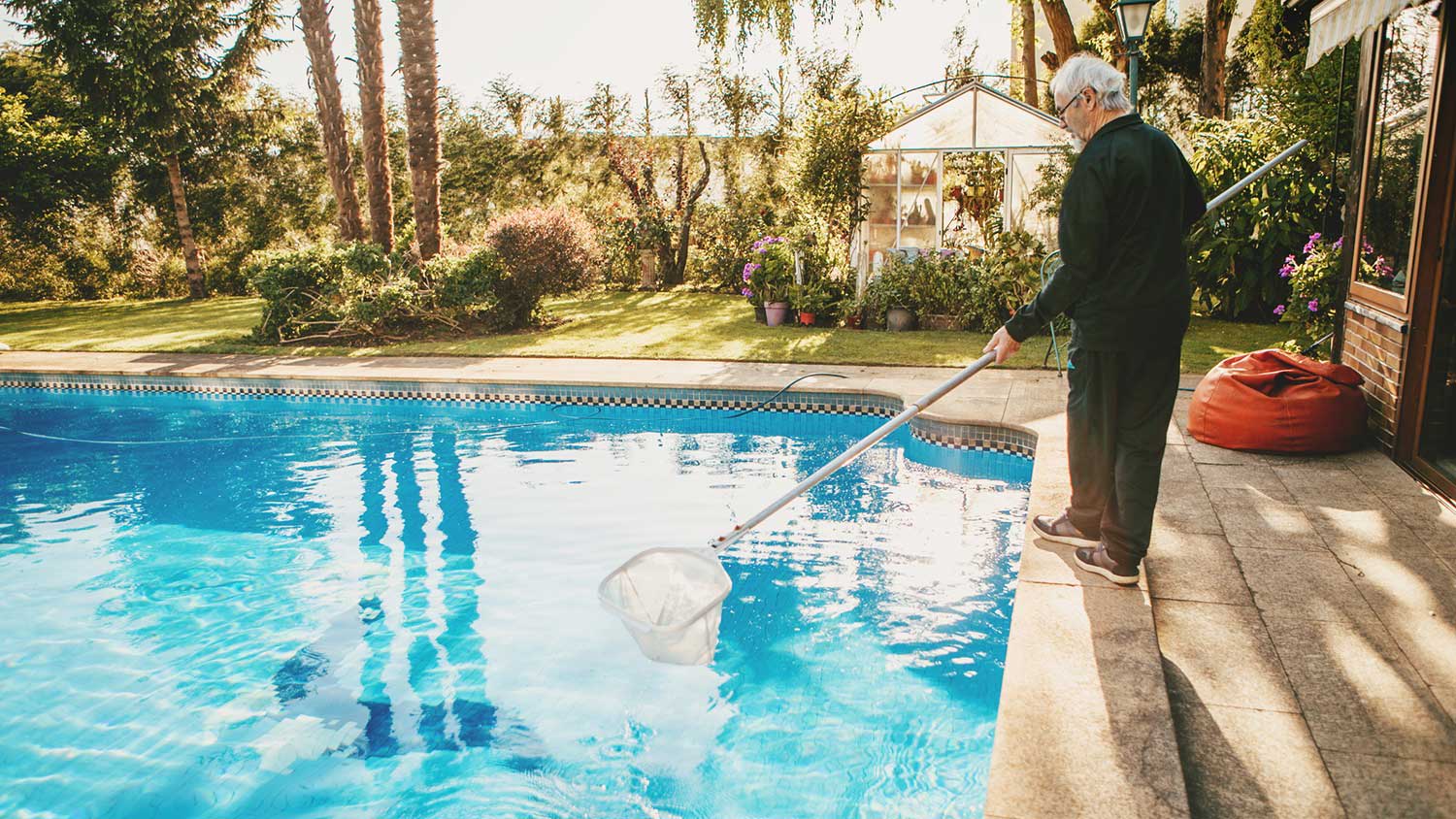
If you live in an area without very cold winters but tempted to close your pool during the cooler months, read on. We dive into the many benefits of winter service.

Pool maintenance isn’t a one-size-fits-all solution. You’ll need to discuss these pool maintenance questions with a pro to develop a fine-tuned plan.