





Painting flow
Deck, Fence, Patio or Porch - Clean and SealDeck, Fence, Patio or Porch - Clean and Seal - For Business
Serving Valley, WA and surrounding areas
+20
Recommended by100%of homeowners
*The Angi rating for Deck Cleaning companies in Valley, WA is a rating based on verified reviews from our community of homeowners who have used these pros to meet their Deck Cleaning needs.
*The HomeAdvisor rating for Deck Cleaning companies in Valley, WA is a rating based on verified reviews from our community of homeowners who have used these pros to meet their Deck Cleaning needs.
Last update on July 29, 2026
Serving Valley, WA and surrounding areas
+20

Serving Valley, WA and surrounding areas
In business since 2016
Free estimates
Emergency services offered
"Justin was very professional, fast, easy to work with and did a great job. He made sure to ask questions for clarification of what we wanted and to point out any issues he saw while he was working on our basement. We were very pleased with the work he did."
+124
Serving Valley, WA and surrounding areas
In business since 2015
Free estimates
Emergency services offered
"It went amazing. They walked me through all charges and everything that they would be doing and made it a very easy choice in companies. I will always rehire them for any maintenance needs I may have. They work fast and efficient. I couldn't have found a better, nicer company. I'd definitely recommend them to anyone."
Serving Valley, WA and surrounding areas
In business since 1996
Free estimates
"Crew always arrived on time and performed as professionals. Result far exceeded our expectations. The house (built in 1985) now looks like new!"


+4

Serving Valley, WA and surrounding areas
In business since 2016
Free estimates
Credit card accepted
"Pretty descent job done expediently and for a reasonable price."


Serving Valley, WA and surrounding areas
In business since 2011
Free estimates
Offers commercial services
Here at Ace Property Services we are a full service maintenance company working with residential and commercial properties. No job is too large or small for us and we pride ourselves on our professionalism and skillset.
Serving Valley, WA and surrounding areas
Free estimates
Emergency services offered
Cousin Caru Contracting, where customers are family!

Serving Valley, WA and surrounding areas
In business since 2005
Free estimates
Stephenson Painting is a family owned business serving Spokane and Stevens counties. We provide professional painting, drywall and plaster services. Your satisfaction is our satisfaction. Call today!


From average costs to expert advice, get all the answers you need to get your job done.
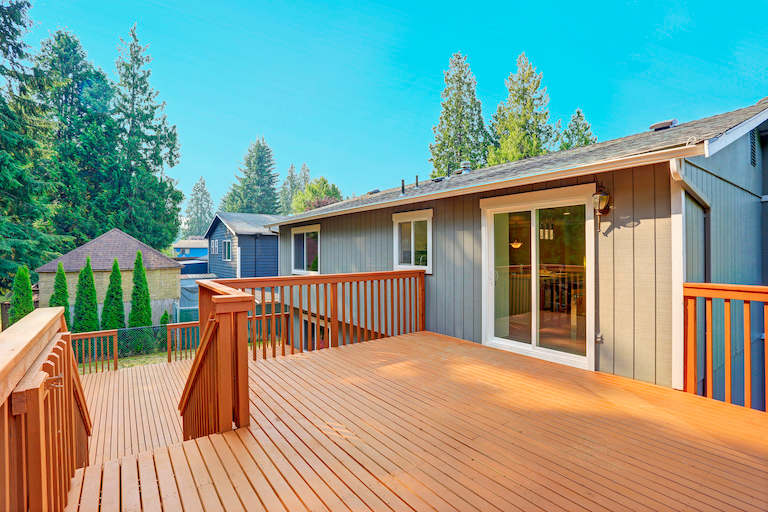
Refinishing your deck is a great way to restore its appearance and fall in love with your outdoor space. Use this guide to learn how much it costs based on factors like size and type.

The cost to pressure wash a deck depends on its size, condition, material, and whether you DIY the job. Help set your budget with this cost guide.
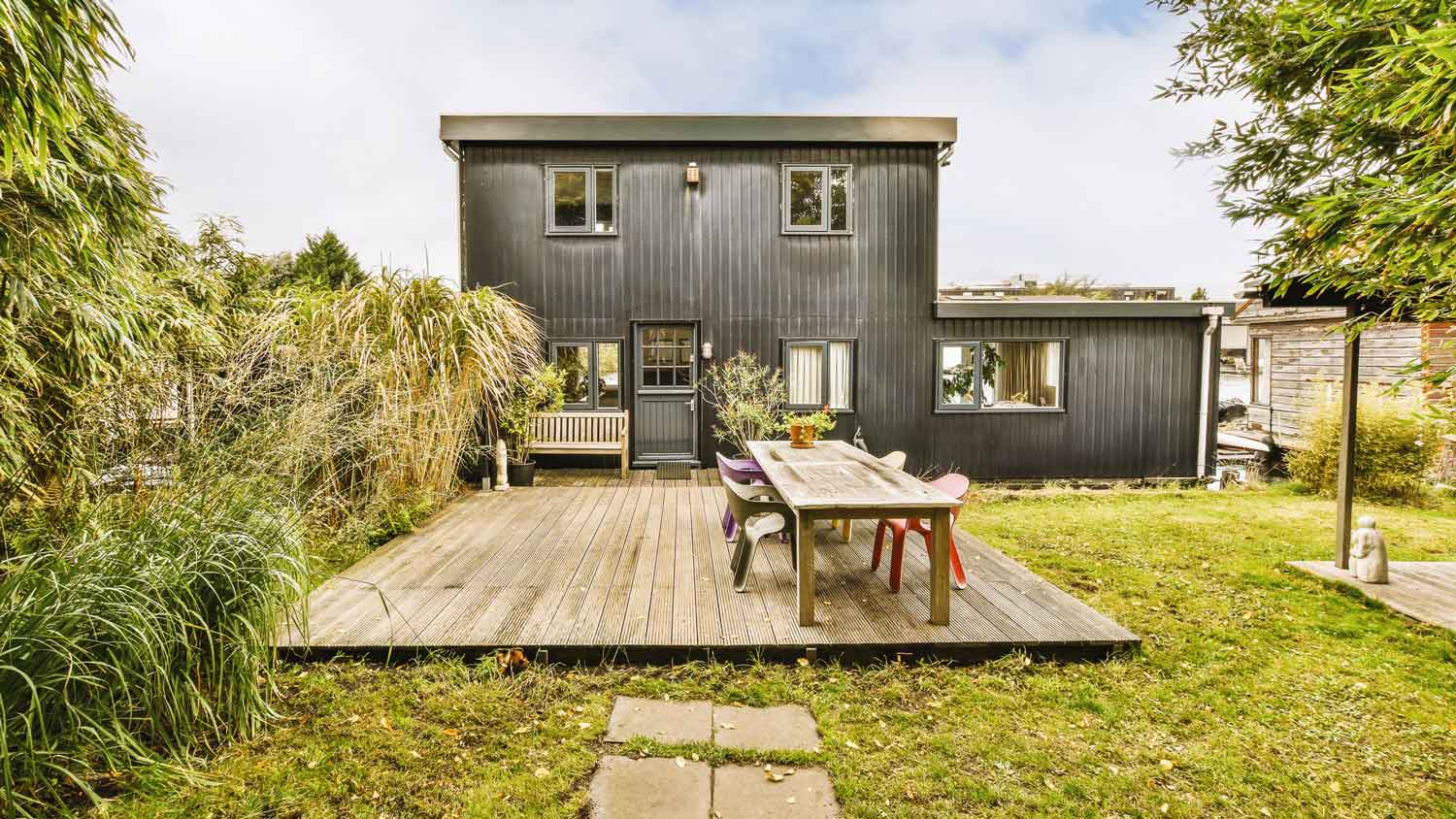
Cleaning your deck at least once a year boosts its durability and appearance. Learn how to clean decking, whether it's wood or composite.
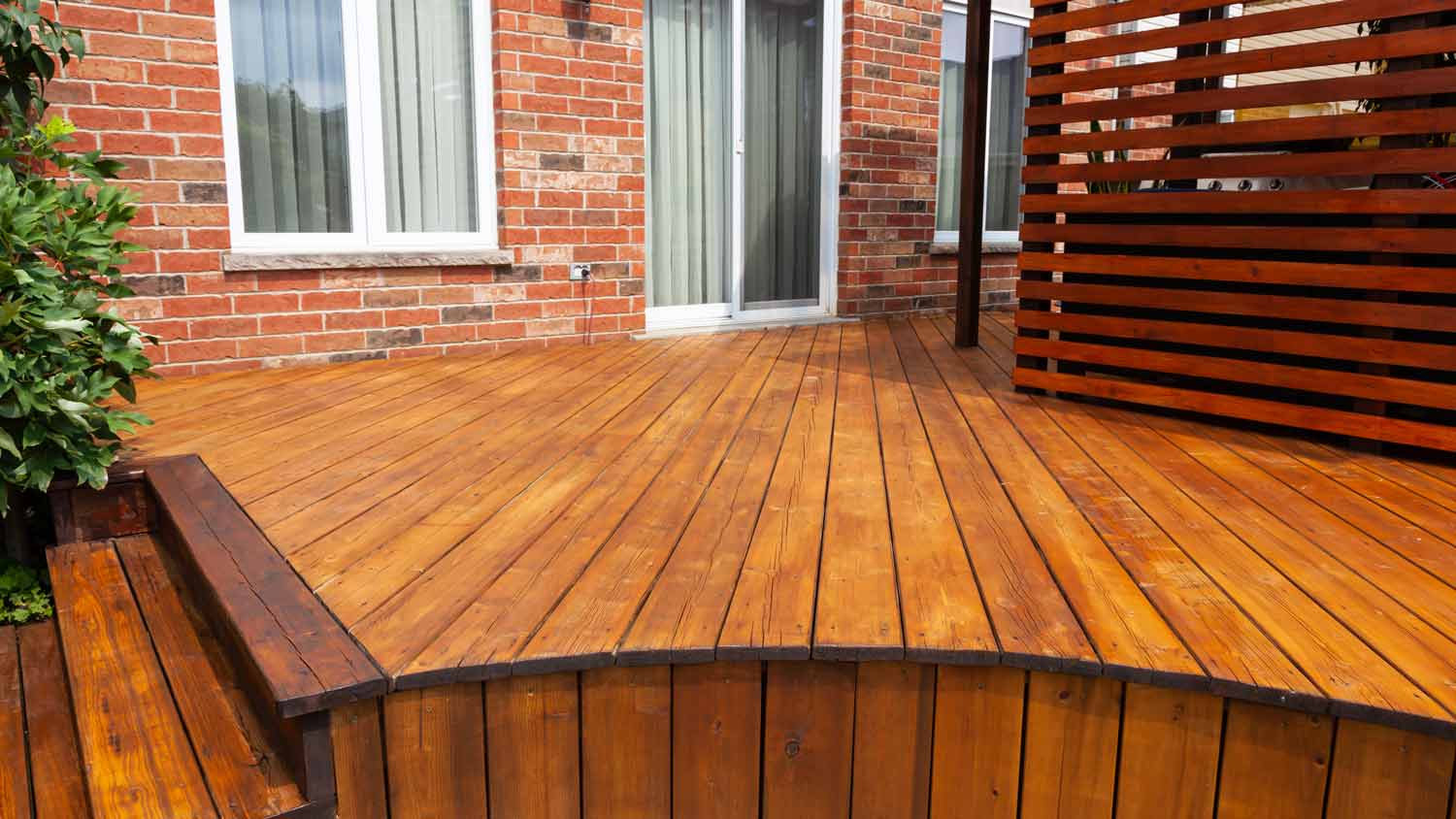
Learn how to clean a deck before staining to ensure long-lasting adhesion, weatherproofing, and optimum appearance of this coloring and protecting treatment.
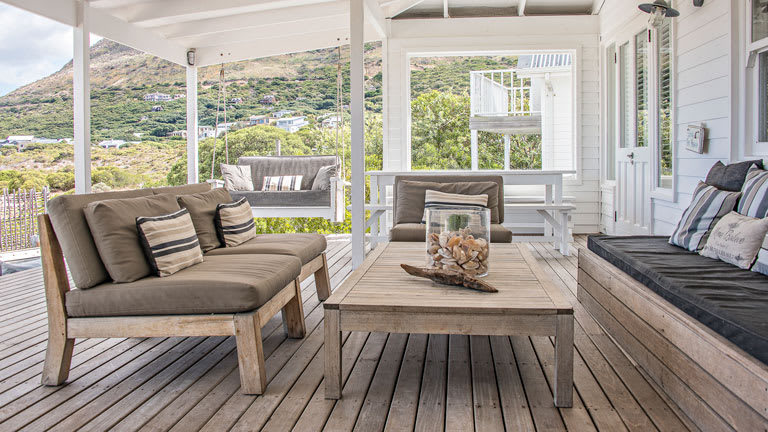
Deck maintenance is vital to protecting a wooden deck. Cleaning, staining and sealing a deck after pressure washing will add years to its lifespan. Protect a deck by following these deck maintenance tips for cedar and other types of wood materials.

Knowing how to clean and seal a deck can help extend its life and keep it looking like new. This DIY guide sheds light on the best way to clean a wood deck.