


Top-rated drywall pros.

Best drywall pros near Union Gap, WA

Enter your zip and get matched with up to 5 pros

Need a pro for your drywall service project in Union Gap, WA?

Select your specific project to find the pro for you.

TRUSTED BY UNION GAP, WA HOMEOWNERS

  • Average homeowner rating star icon4.8
    Average homeowner rating
  • Verified reviews icon31
    Verified drywall services reviews

Top-Rated Drywall pros in Union Gap - Updated Nov 2026

Avatar for Drywall Docs
Drywall Docs
5.0(
6
)
Drywall - RepairDrywall - Install

Serving Union Gap, WA and surrounding areas

Approved

In business since 2023

Free estimates

Emergency services offered

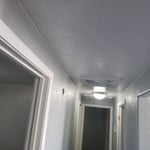
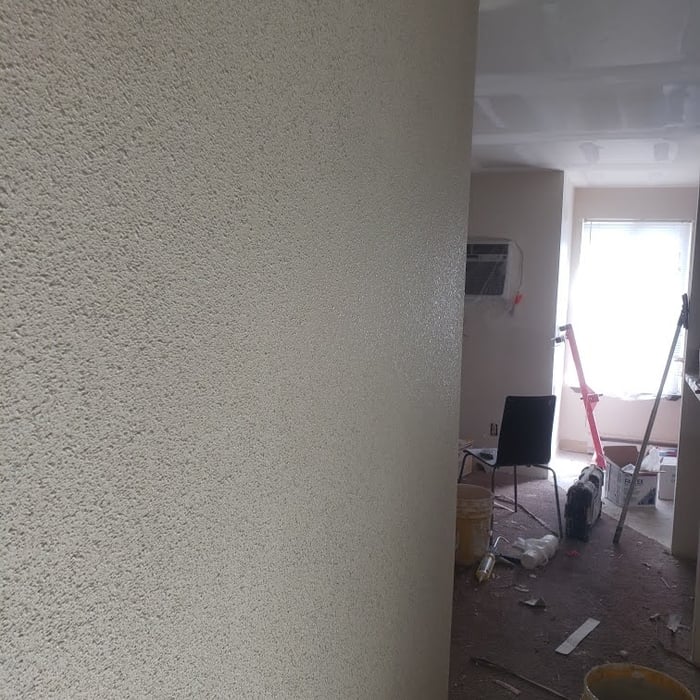
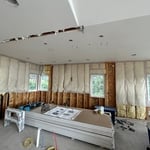
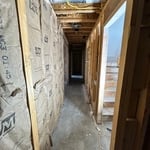
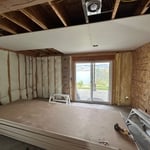
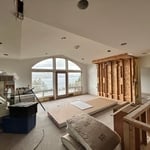
We make drywall repair simple, clean, and efficient. Our process focuses on seamless drywall patch solutions that match your wall texture and paint for an invisible finish. Whether it's damage from plumbing or everyday wear and tear, we provide quick turnaround times without sacrificing quality. Your go-to solution for hassle-free drywall repair.
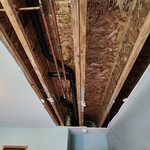
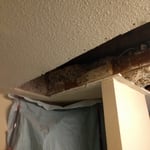
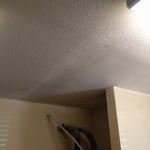
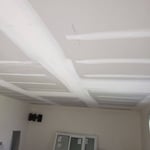
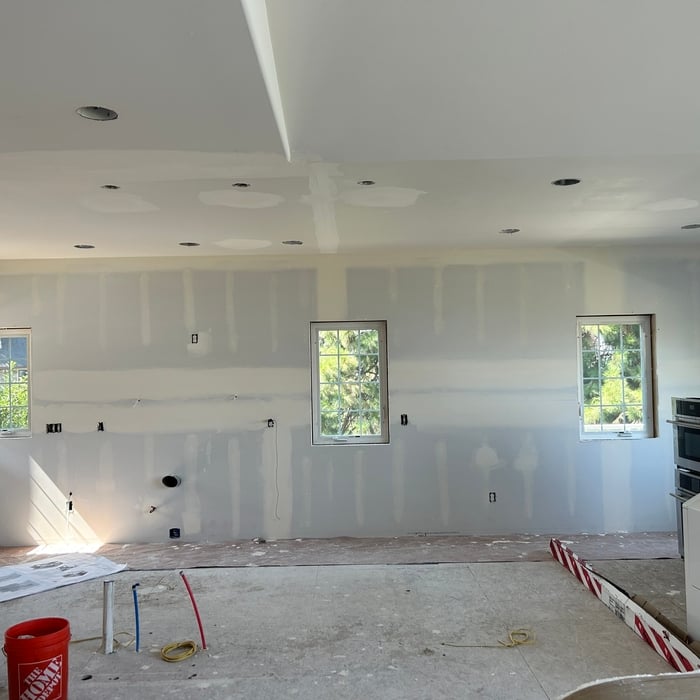
Ceiling before
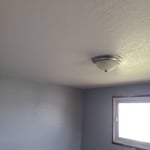
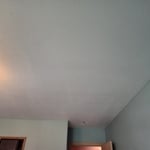
Ceiling after
6 neighbors recently requested a quote
...
Showing 1-10 of 51
Drywall FAQs, answered by experts

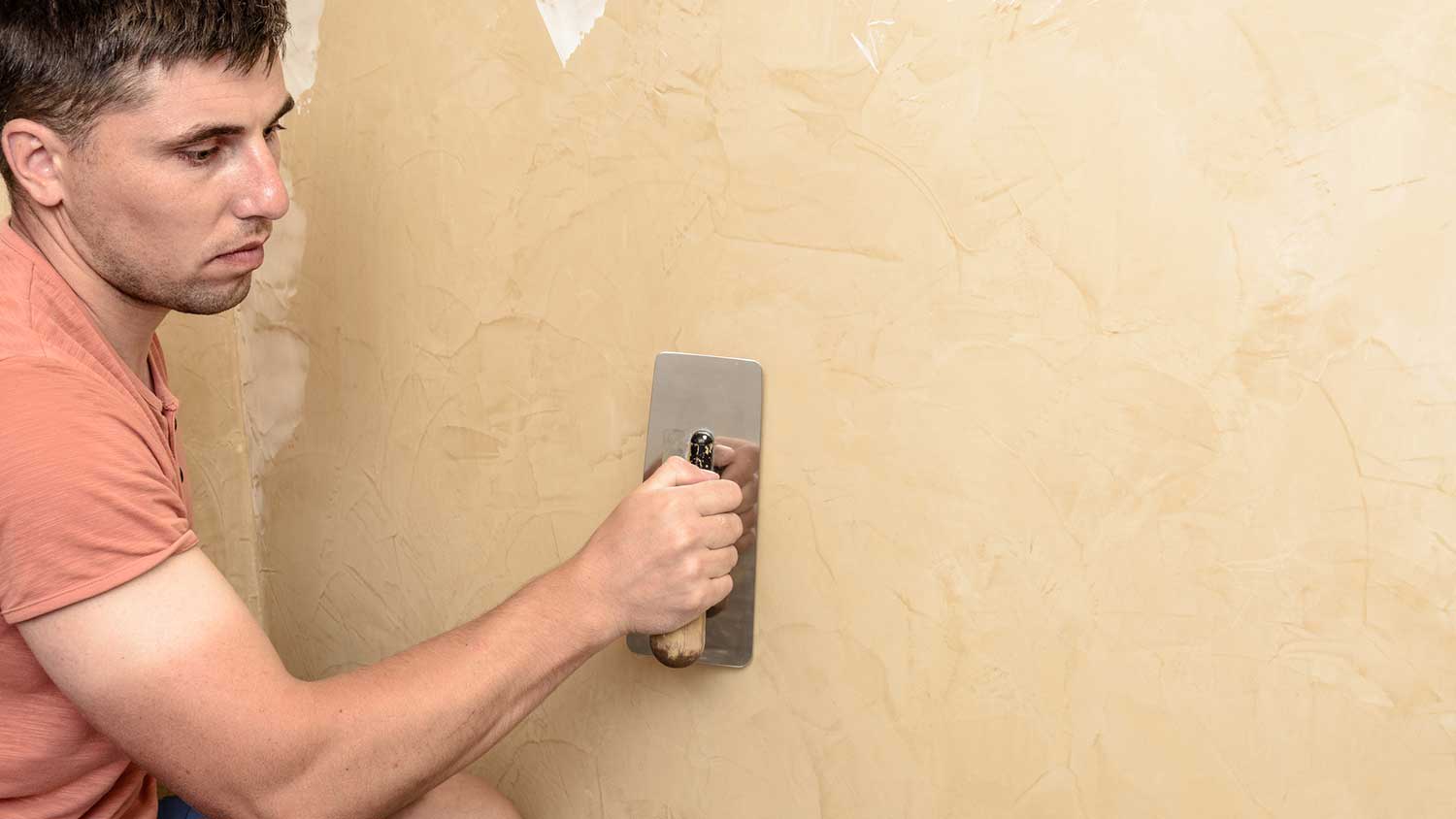
Plastering and skimming are two different techniques for finishing walls. Plastering involves applying a thick layer of a plaster mixture—typically containing gypsum, lime, cement, sand, and water—to create a new surface. This process often requires multiple coats and is used for repairing significant damage or creating decorative textures. Skimming, on the other hand, is a technique that involves applying a thin layer of drywall compound or joint compound over an existing surface to smooth it out, covering minor imperfections, small cracks, or uneven textures for a polished look. Plastering is generally more costly and labor-intensive than skimming. Although some people use the terms interchangeably, they refer to different processes and materials.

Installing or repairing plaster on ceilings differs slightly from performing the same motions on a wall. You’ll apply slightly less plaster to lower the overall weight of the ceiling. Wall texturing is common, whereas most ceilings are smooth plaster. Tough coat plaster is strong, meaning you can use less while retaining a solid surface.

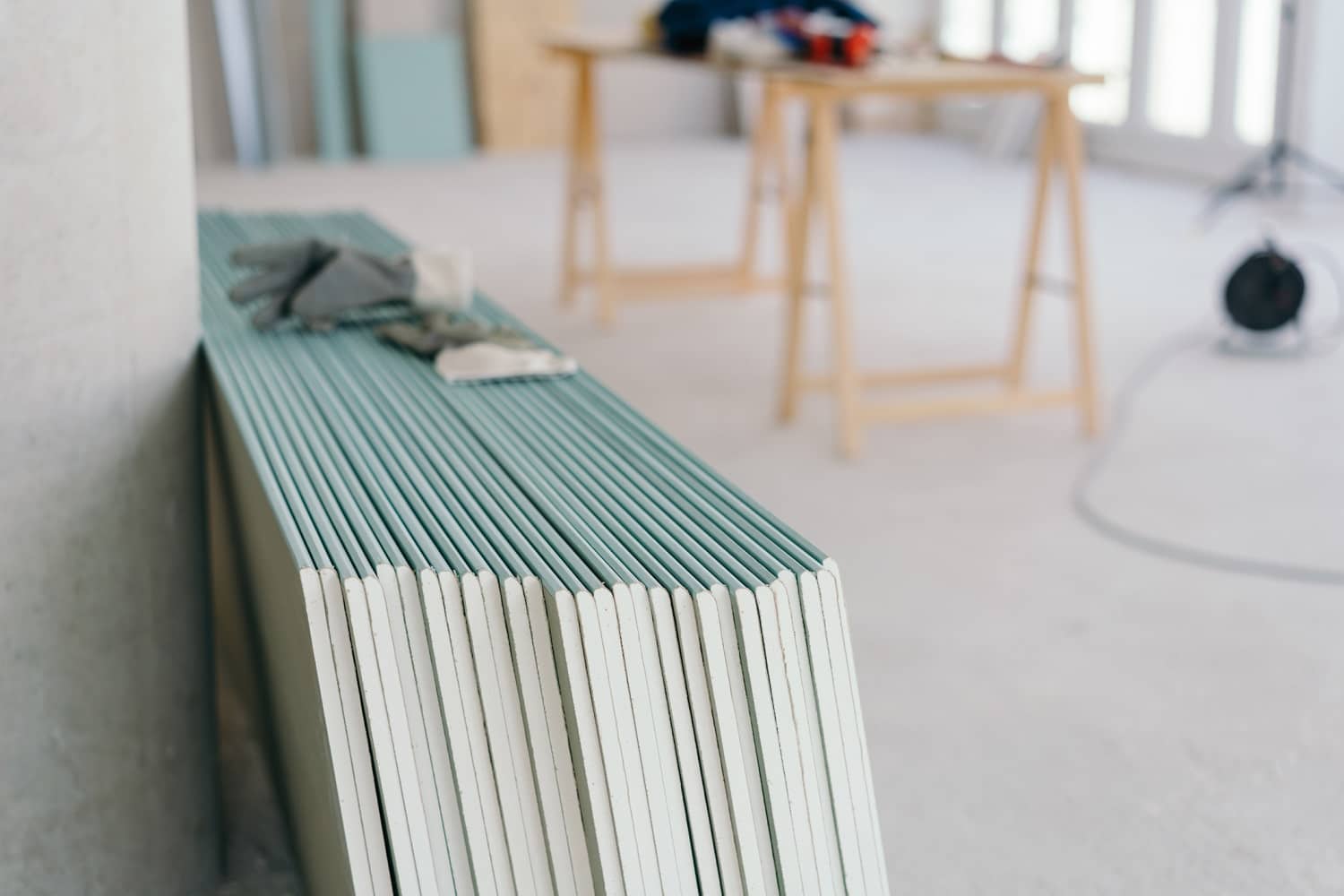
Drywall can be installed directly on ceiling joists. In fact, this method is common in many construction projects. Drywall sheets are attached to the joists using screws, ensuring a secure and stable installation. Before attaching the drywall, it's important to mark the joist locations on the ceiling, allowing for accurate screw placement. Proper spacing between screws and careful taping and mudding of joints are crucial to creating a smooth and flawless ceiling surface. If the joists are in good condition and level, installing drywall directly on them is a practical and efficient approach.

Most drywall used for interior walls of homes is 1/2-inch thick. This size strikes a balance of being easy to handle and hang while being thick enough for the durability needed on interior wall applications.

If you don’t have studs in the area where you want to install your TV mount, you may still be able to install a TV mount on drywall. The easiest way to install a mount on drywall is by using drywall anchors—but not just any plastic anchors. Choose molly bolts or toggle anchors, which have a weight capacity of around 50 pounds. For added support, consider pairing drywall anchors with a wall mounting plate. Extra heavy TVs may need to be mounted via the ceiling joists or beams.

The Union Gap, WA homeowners’ guide to drywall services

From average costs to expert advice, get all the answers you need to get your job done.