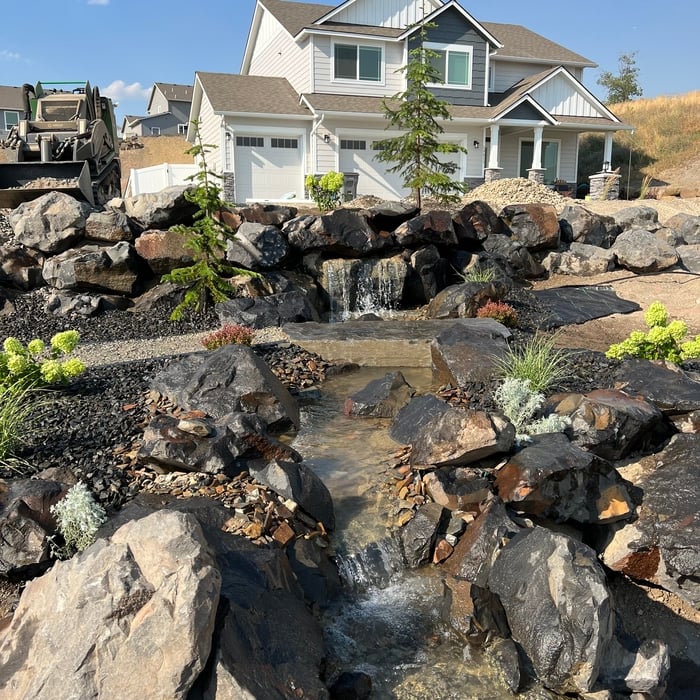
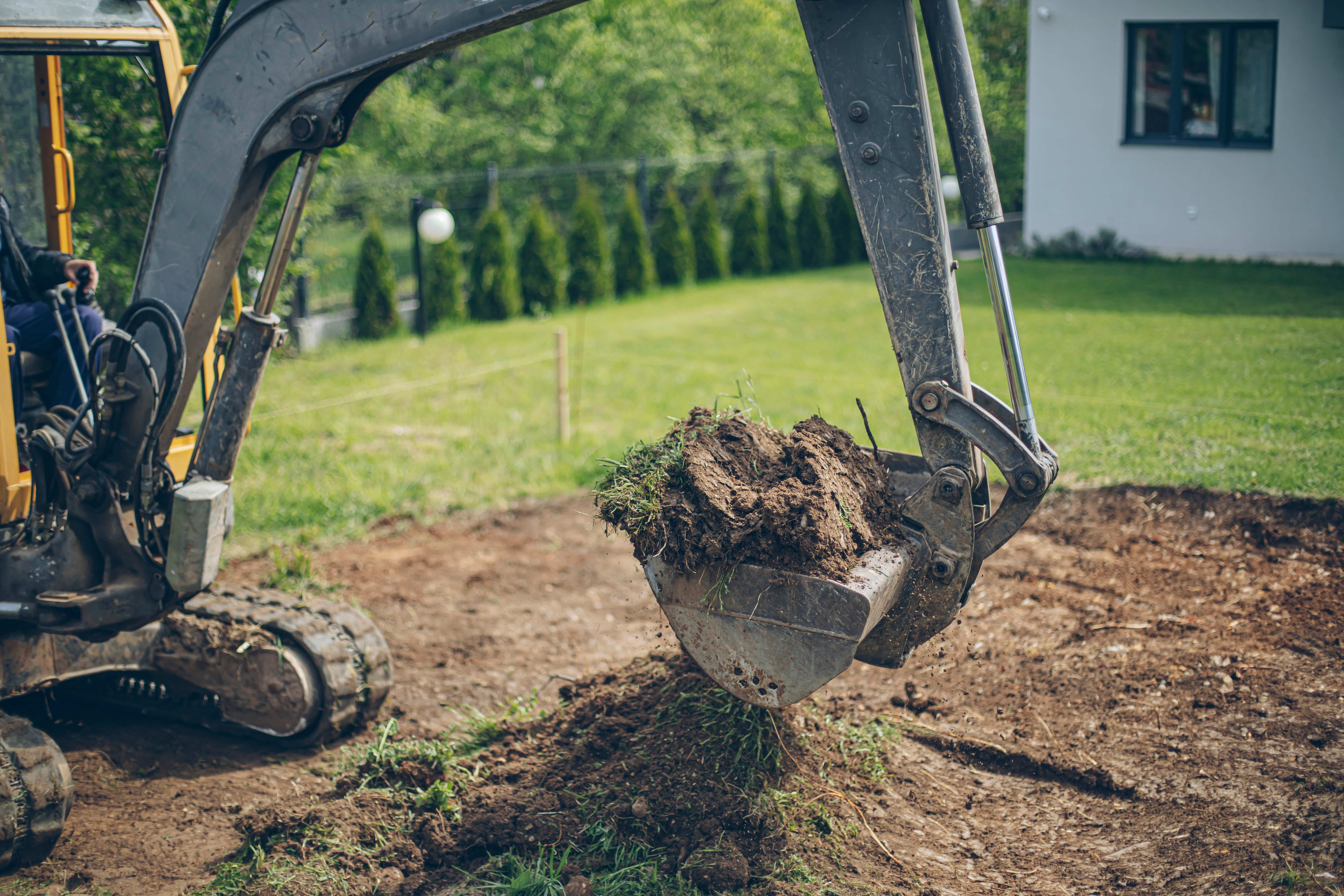
Inland Empire Operations LLC is committed to excellence in every aspect of our business. We uphold a standard of integrity bound by fairness, honesty, and personal responsibility. Our distinction is the quality of service we bring to our customers. Accurate knowledge of our trade combined with ability is what makes us true professionals. Above all, we are watchful of our customers' interests, and make their concerns the basis of our business.
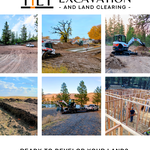
TILT Excavation and Land Clearing is a small, family owned business located in Davenport, WA.
\n
\nWe believe in showing our children that you can make a career out of doing the things you love.
\n
\nAnd if they're like us, they aren't going to lose the joy of operating machinery and seeing how much of a difference we can make at any job we come to!
\n
\nWe love to see the transformation we can make at your property, just as much as you do.
\n
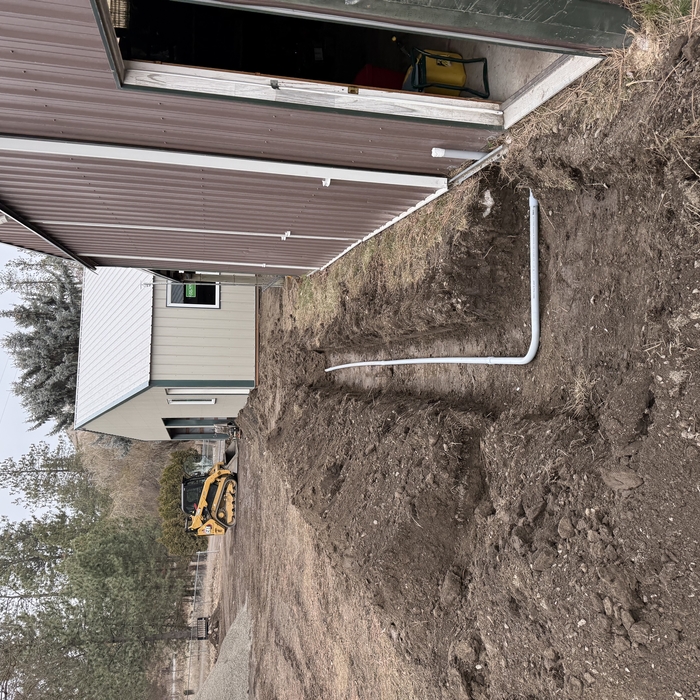
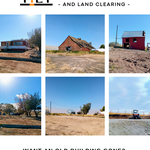
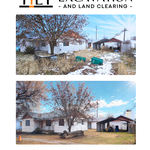
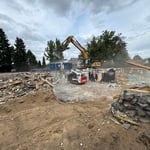
\nWhether you need to demo an old shed or get your site preparation done for your home - we got you covered.
\n
\nWe believe in getting the job done right and communicating with you throughout the project.
\n
\nAfter all, we wouldn't be in business if it wasn't for you, and we do not take that for granted.
\n
\nFeel free to reach out to us for a quote - we'd love to help you!
\n
\nThank you for considering us, and we hope to talk to you soon.
\n
\n- Brooke and Trever
TILT Excavation and Land Clearing is a small, family owned business located in Davenport, WA. \n\nWe believe in showing our children that you can make a career out of doing the things you love. \n\nAnd if they're like us, they aren't going to lose the joy of operating machinery and seeing how much of a difference we can make at any job we come to!\n\nWe love to see the transformation we can make at your property, just as much as you do.\n\nWhether you need to demo an old shed or get your site preparation done for your home - we got you covered.\n\nWe believe in getting the job done right and communicating with you throughout the project.\n\nAfter all, we wouldn't be in business if it wasn't for you, and we do not take that for granted.\n\nFeel free to reach out to us for a quote - we'd love to help you!\n\nThank you for considering us, and we hope to talk to you soon.\n\n- Brooke and Trever
Family owned and operated in the northwest with over 15 years of experience, specializing in interior and exterior remodeling. Give us a call for your free estimate!
Heinrichs Hauling & Excavation is a small town mom and pop company, owned and operated by myself and my wife.\nHH&E is capable of any Excavation job big or small we specialize in septic installs, drain fields, mainline, storm drains, french drains, cutting new drive ways, as well as clearing any plot of land. also offering snow removal and plowing! Call -or- click to schedule a free estimate today!
Wreck It Right LLC, based in Spokane, WA, is a licensed demolition and excavation company offering safe, efficient services including demolition, land clearing, and tree removal. Let us prepare your site with precision and care. Schedule a free estimate today!
"I highly recommend Lukas for your excavation needs. I just finished building a house in North Spokane where I worked as my own general contractor. I didn?t have any knowledge or experience in excavation, sewer/water lines, digging in the street, or working with the city on the permit process. Lukas helped me with it all including preparing the site for footings, foundations, grading the alley and driveway and was also able to provide the street obstruction permit and bond (which I could not get). Lukas also helped with removing 4 trees and even hauled off them + many other loads of construction debris. He gave me guidance on all the plumbing parts, water lines, suppliers even helped me connect them all the way to my main line in the house. The workmanship, attention to detail and professionalism was exceptional and I was able to save a considerable amount of money.
Thank you Lukas."
We take great pride in our experience, expertise, quality, and customer service that we provide to meet the consumer's needs. It is our mission to provide excellent workmanship and complete customer satisfaction from start to completion of a project. In order to understand the needs and expectations of our customers, we take great care to work and communicate with every customer in a professional manner. Our reputation is based on service, safety, and quality, regardless of how large or small the job.
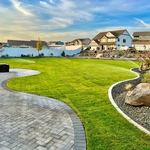
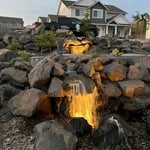
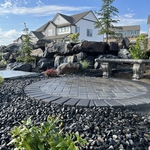
PNW Landscape And Design is committed to excellence in every aspect of our business. We uphold a standard of integrity bound by fairness, honesty, and personal responsibility. Our distinction is the quality of service we bring to our customers. Accurate knowledge of our trade combined with ability is what makes us true professionals. Above all, we are watchful of our customers' interests, and make their concerns the basis of our business.
\nwww.pnwlandscapedesigns.com
\n
Digging a well can cost between $20 and $25,000,depending on your needs. If you’re looking to dig a well yourself, all you need is a shovel. If you’re looking to have a well drilled by a professional, you can expect to pay around $15 to $30 per foot. The total cost of drilling a well will average to $5,500.
How deep your septic system needs to be into the ground depends on several factors. In extremely cold environments, the tank needs to rest below the maximum frost line, which can be up to six or eight feet deep. The standard burying depth for most systems is between a few inches and four feet below ground level. Depth can also depend on the slope of the landscaping and other property variables.
The digging depth will depend on the size of the trencher you use. Even smaller units can dig up to 4 feet deep, which is plenty for a DIY job. However, much larger trenchers can reach a depth of 18 feet and are better used by a team of pro contractors, not a single DIYer. As with all home improvement projects, use the right tool for the job and proceed with caution.
To drill a shallow well, you may be able to use a drive well point. This is a tapered point that is driven into the ground. A drill bit at the end of PVC pipe may be another option to consider. A lot of the cost depends on what tools are available near you.
You should dig 3 to 6 inches deep for plastic edging. Dig as wide as you need to fit your plastic edging into it—2 inches is usually sufficient.
The Saint John, WA homeowners’ guide to excavation services
From average costs to expert advice, get all the answers you need to get your job done.
Excavation costs $1,500 to $6,300 for most residential projects—but it depends on factors like the size of the area. This guide will help you plan a budget.
You can't have an in-ground pool without digging into the ground. How much does pool excavation cost, and can you take it on yourself? Our guide explains.
Picking the right pro can make or break your project. Learn how to hire an excavation pro with the qualifications and skillset to do the job efficiently.