





Top-rated pest control specialists.

Get matched with top pest control specialists in Harrah, WA

Enter your zip and get matched with up to 5 pros

Need a pro for your pest control project in Harrah, WA?

Select your specific project to find the pro for you.

TRUSTED BY HARRAH, WA HOMEOWNERS

  • Average homeowner rating star icon4.8
    Average homeowner rating
  • Verified reviews icon17
    Verified pest control services reviews

Find Pest control specialists in Harrah

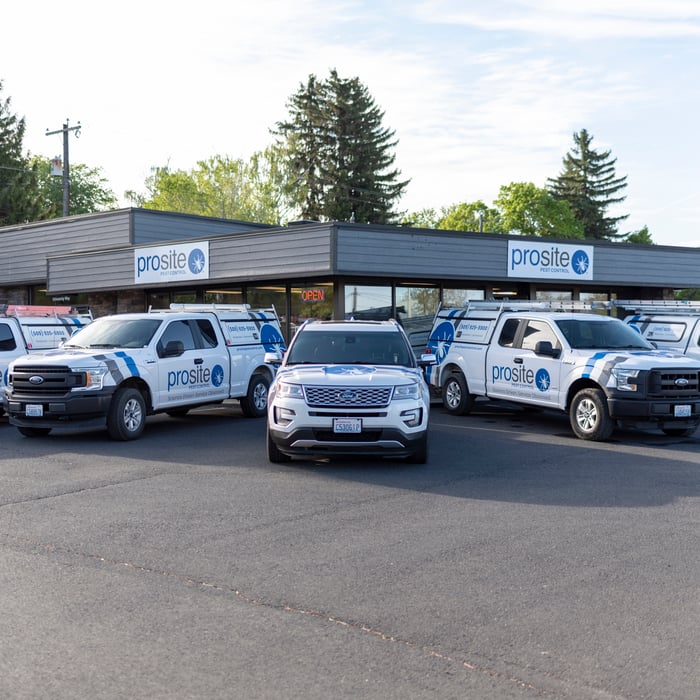
Avatar for Prosite Pest Control - Home  Facebook
Prosite Pest Control - Home Facebook
4.9(
7
)
Mosquito ControlPest Control - Bed BugsPest Control - Birds and Bats+7 more

Serving Harrah, WA and surrounding areas

In business since 2000

Warranties offered

Credit card accepted

"Prompt and professional service. Company tells you up-front what the costs will be; It's not cheap, but you get what you pay for. Manny, the Service Technician knows exactly what needs to be done. I am convinced, the rodent problem will be solved in short order."
Web & Nest Removal
Kitchen baiting
Bait Stations
Termite stations
PROSITE PEST CONTROL

+2

Response time1 day
Recommended by100%of homeowners
Avatar for TruGard Pest Management
TruGard Pest Management
5.0(
2
)
Mosquito ControlPest Control - Bed BugsPest Control - Bugs and Insects+3 more

Serving Harrah, WA and surrounding areas

In business since 2024

Free estimates

Warranties offered

"The technician was professional, respectful of my property, and took the time to explain what he was doing and why. He conducted a thorough inspection, identified the source of the issue, and applied the appropriate treatment. Since the treatment, I’ve noticed a significant improvement. The bugs are gone"
Pest Control questions, answered by experts

Whether rain affects a professional mosquito treatment depends on the treatment type, the quantity and intensity of rain involved, and how soon after the treatment it rains. Larvicides, for example, are often applied to water sources where mosquitoes lay their eggs, so it won’t matter if it rains. Some barrier sprays need sufficient time before the next rainfall to penetrate the surfaces properly and do their work.

You can get rid of raccoons quickly by making your home an undesirable place to live. Here are the best ways to get rid of raccoons fast:

  • Repair broken vents and screens leading to your home.

  • Seal open access points into your home. Many raccoons sneak in through the attic, roof, or chimney.

  • Trim trees and branches so raccoons don’t have easy access to your roof and chimney. 

  • Thoroughly clean out garbage cans, remove all trash, and secure the bins.

  • Don’t keep food or water outside.

  • Add raccoon guards to outdoor bird feeders. 

  • Clean up brush around your home—raccoons like to gather loose yard materials for bedding.

Ticks are most commonly found behind (or even inside) ears, behind knees, in belly buttons, in the hair, and in your underarms. If you find a tick on your body or on your pet, use a pair of clean tweezers to grab the tick as close to the surface of your skin as possible. If you simply yank or twist it, you can leave the tick’s mouth parts lodged in your skin and will need to remove those carefully with the tweezers. 

Once you have removed the tick, flush it down the toilet and wash your skin with rubbing alcohol or soap and water. Know the signs of lyme disease such as fever, chills, headache, muscle aches, and a rash.

For routine pest control maintenance, most specialists recommend treatments every three months (quarterly). However, the ideal frequency can range from monthly to yearly depending on several factors. If you have a severe infestation, more frequent treatments will likely be necessary. Your location also plays a role; for example, homes near water may experience more pests in spring and summer. It's best to discuss your specific situation with a pest control professional to determine a suitable schedule. If you notice any pests between scheduled visits, inform your provider so they can address the issue promptly.

If you spot a bug in your home that seems very similar to a flea, it’s likely a springtail, which is a tiny jumping insect that can resemble a flea. Unlike fleas, they are not dangerous to humans or animals because they don’t bite. Fleas are smaller than springtails, which is how you can distinguish them.

The Harrah, WA homeowners’ guide to pest control services

From average costs to expert advice, get all the answers you need to get your job done.