

Top-rated drywall pros.

Get matched with top drywall pros in Gleed, WA

Enter your zip and get matched with up to 5 pros

Need a pro for your drywall service project in Gleed, WA?

Select your specific project to find the pro for you.

TRUSTED BY GLEED, WA HOMEOWNERS

  • Average homeowner rating star icon4.9
    Average homeowner rating
  • Verified reviews icon38
    Verified drywall services reviews

Find Drywall pros in Gleed

Avatar for Drywall Docs
Drywall Docs
5.0(
6
)

Serving Gleed, WA and surrounding areas

Approved

In business since 2023

Free estimates

Emergency services offered

We make drywall repair simple, clean, and efficient. Our process focuses on seamless drywall patch solutions that match your wall texture and paint for an invisible finish. Whether it's damage from plumbing or everyday wear and tear, we provide quick turnaround times without sacrificing quality. Your go-to solution for hassle-free drywall repair.
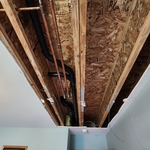
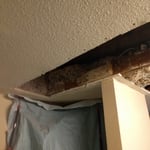
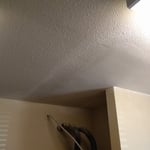
Ceiling before
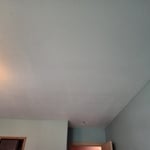
Ceiling after
12 neighbors recently requested a quote

Avatar for Precise Construction & Renovation, LLC
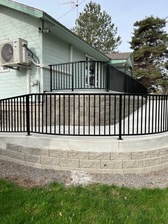
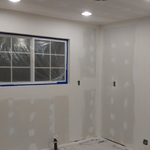
Precise Construction & Renovation, LLC
5.0(
5
)

Serving Gleed, WA and surrounding areas

Approved

In business since 2024

Free estimates

Warranties offered

"We were very pleased with the contractor and he gave us a couple of options with his quotes. He recommended the 49R value quote which was for 18 of blown in insulation. He told what day he would come and he cleaned up everything when he was finished. We were very pleased with his work."
Response time9 hrs
Response rate98%
1 neighbors recently requested a quote
Avatar for A Roman Drywall, LLC
A Roman Drywall, LLC
4.9(
28
)

Serving Gleed, WA and surrounding areas

In business since 2014

Free estimates

Emergency services offered

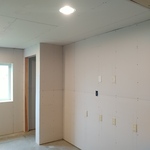
"Roman drywall did a great job replacing the ceiling in my son’s room after our furnace leaked causing damage. They were very professional and courteous, as well. I would highly recommend them and would use them again."
Call for Details
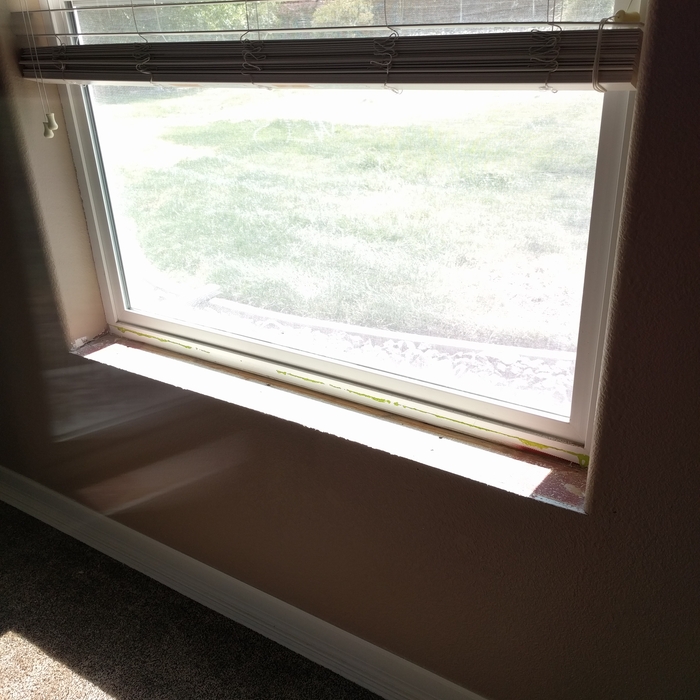
Big Window
Ceiling
Pacthed
Window Sill

+2

Response time2 days
Recommended by100%of homeowners
Showing 1-10 of 41
Drywall questions, answered by experts

Your walls are likely cracking due to fluctuations in the temperature outside. Drywall tends to expand and contract when temperatures and humidity levels change, and this repeated movement can lead to cracks in your walls, particularly around door frames. If you have multiple diagonal cracks, you may want to have your foundation inspected, as cracks can also be a sign of a bigger issue.

All plaster walls will crack over time due to normal house settling and expansion and contraction from temperature and moisture changes. Small, thin hairline cracks are generally not serious and are mostly a cosmetic issue. However, larger or more significant cracks can indicate structural problems.

Here's how to tell the difference:

  • Cosmetic Cracks: Cracks that are 0.5 cm (0.2 inches) or thinner are typically cosmetic.

  • Structural Cracks: Cracks wider than 0.5 cm, excessive or deep cracks, multiple cracks in the same area, or cracks that span around corners can signify a structural or foundation issue. Cracks along the joints where walls meet the ceiling also warrant attention.

For cracks wider than 0.5 cm, structural repair is needed. If a crack is 2.5 cm (1 inch) or wider, or if you notice any signs of a structural problem, it is best to contact a plaster repair professional to assess the damage.

Yes, small, superficial cracks are normal as homes settle. Older homes have a higher chance of showing signs of settling through hairline cracks from temperature changes, moisture changes, and soil shifting. However, larger cracks, or discolored cracks from water damage, may signify a bigger problem that requires reparations and preventative measures.

Whether you can reuse a drywall anchor depends on its type, material, and how it is removed. Plastic anchors, such as expansion or self-drilling types, are generally considered single-use because they are designed to expand and are likely to break or become deformed upon removal. Metal anchors, like toggle bolts, are more durable and can often be reused if they are not damaged during extraction. However, with toggle bolts, the toggle mechanism can fall inside the wall when the bolt is removed, making it difficult to retrieve. If an anchor is damaged or must be cut for removal, it cannot be reused regardless of its material.

The easiest way to tell if a wall is load bearing is to check if it’s an exterior wall or if it runs perpendicular to the joists above and below it (or parallel to beams). Exterior walls are almost always load-bearing, and walls that run under beams or parallel to them are also usually load-bearing. There are exceptions to these rules, and walls that don’t fit into these categories can still be load-bearing. If you’re unsure, hire a structural engineer to look at your home to assess whether or not the wall is structural.

The Gleed, WA homeowners’ guide to drywall services

From average costs to expert advice, get all the answers you need to get your job done.