

Top-rated drywall pros.

Get matched with top drywall pros in Ephrata, WA

Enter your zip and get matched with up to 5 pros

Need a pro for your drywall service project in Ephrata, WA?

Select your specific project to find the pro for you.

Find Drywall pros in Ephrata

Avatar for ALLFix, LLC
ALLFix, LLC
4.6(
51
)
Drywall - Repair

Serving Ephrata, WA and surrounding areas

Approved

In business since 2017

Free estimates

Small jobs welcome

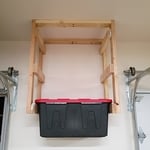
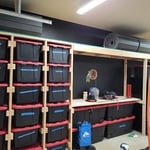
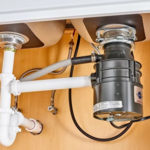
ALLFix provides professional repairs, installations, and improvements for residential and commercial clients. Services include everyday repairs, flooring, painting, countertops, cabinets, doors, windows, decks, and more. Licensed, bonded, and insured. Family-owned and operated.
ALLFix Moses Lake
ALLFix Moses Lake
ALLFix Moses Lake
ALLFix Moses Lake
ALLFix Moses Lake

+16

Recommended by95%of homeowners
Jimenez Drywall
New to Angi
Drywall - InstallDrywall - Install - For BusinessDrywall - Repair

Serving Ephrata, WA and surrounding areas

Approved

In business since 2015

Free estimates

Offers commercial services

We take great pride in our experience, expertise, quality, and customer service that we provide to meet the consumer's needs. It is our mission to provide excellent workmanship and complete customer satisfaction from start to completion of a project. In order to understand the needs and expectations of our customers, we take great care to work and communicate with every customer in a professional manner. Our reputation is based on service, safety, and quality, regardless of how large or small the job.

Showing 1-10 of 34
Drywall questions, answered by experts

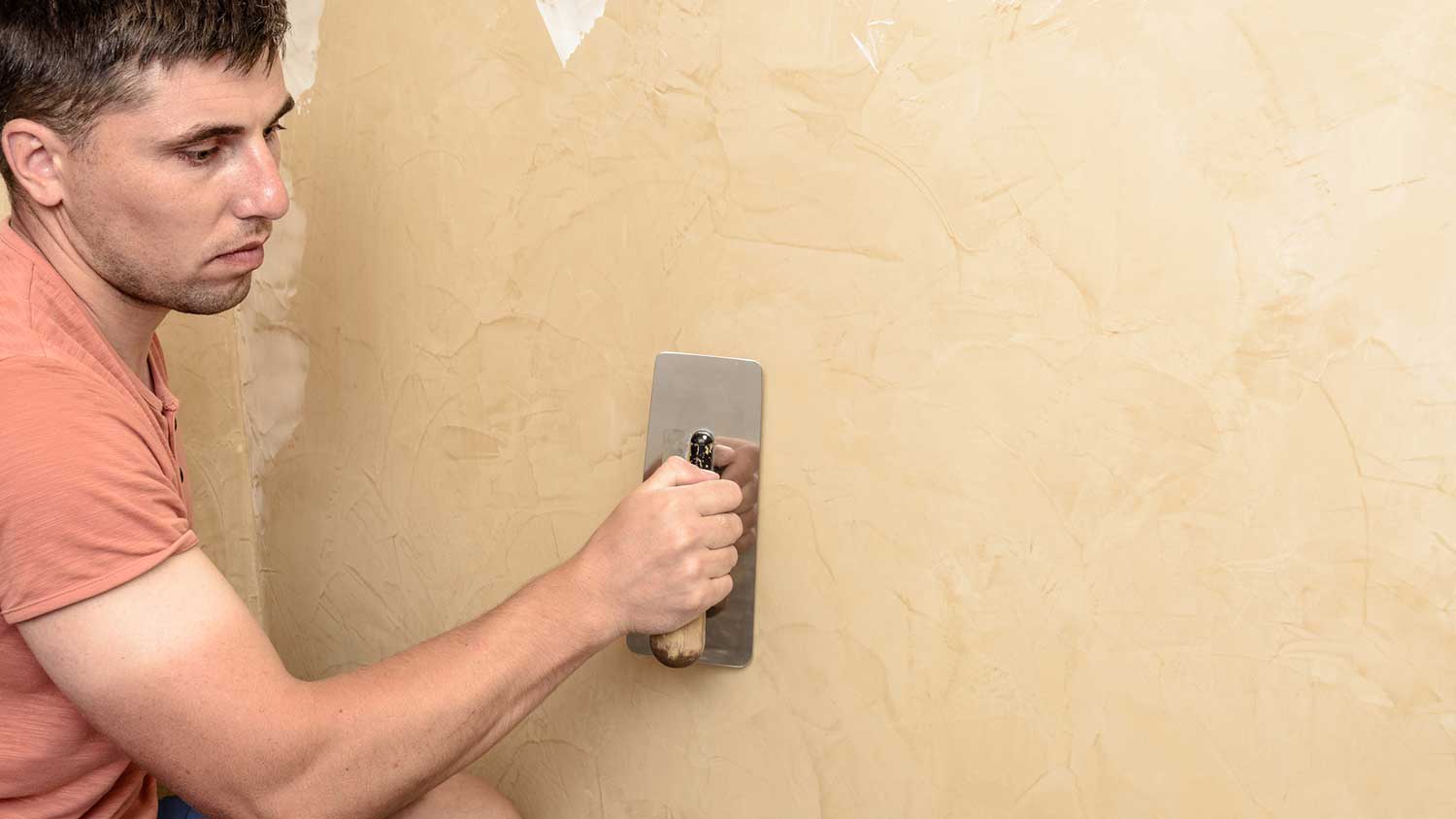
Applying spackle is a simple DIY project that most people can complete in just a few hours. Even homeowners who have little DIY experience can complete this project in an afternoon. However, if you're uncomfortable with the project or don't have the time, you can always hire a pro to help.
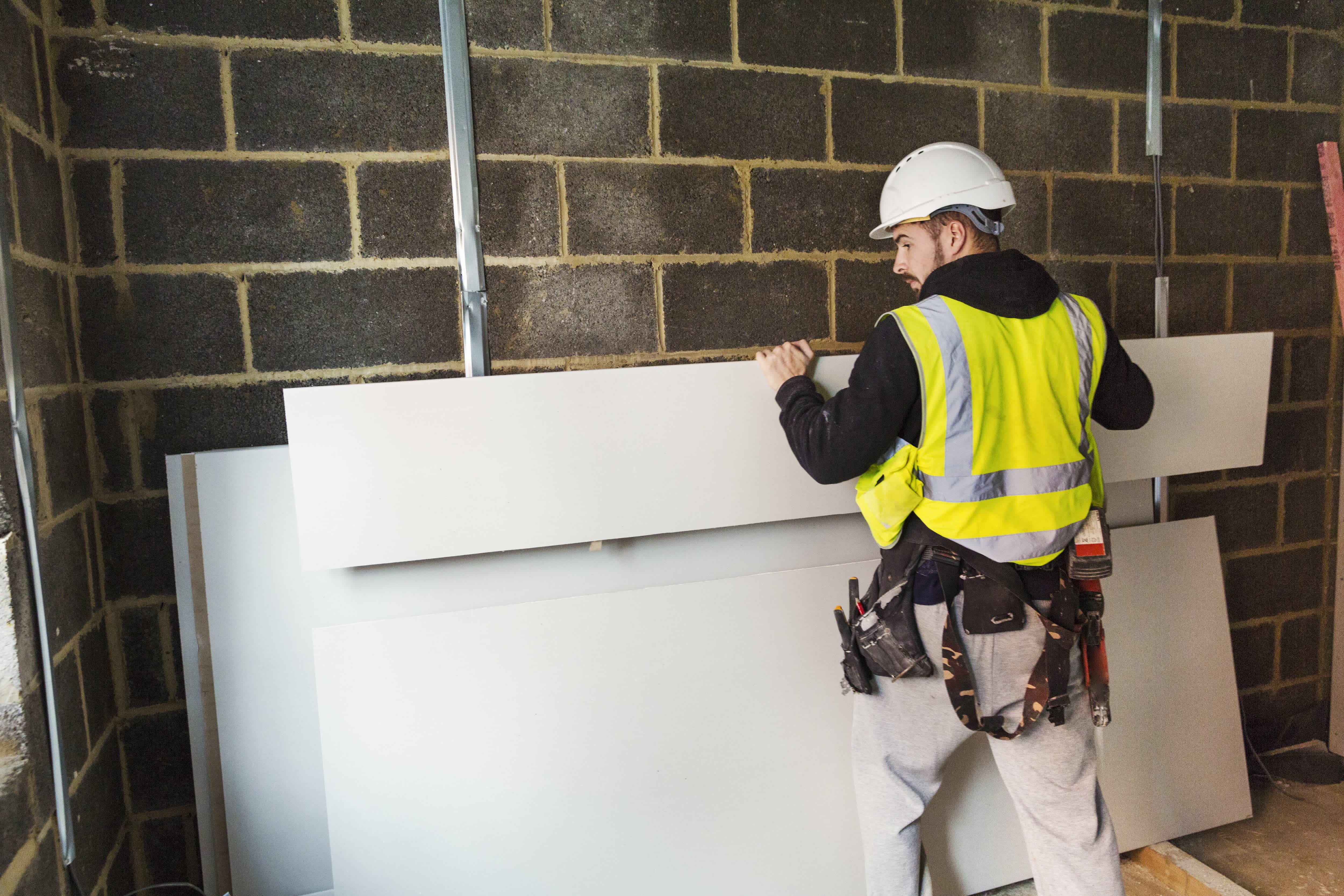
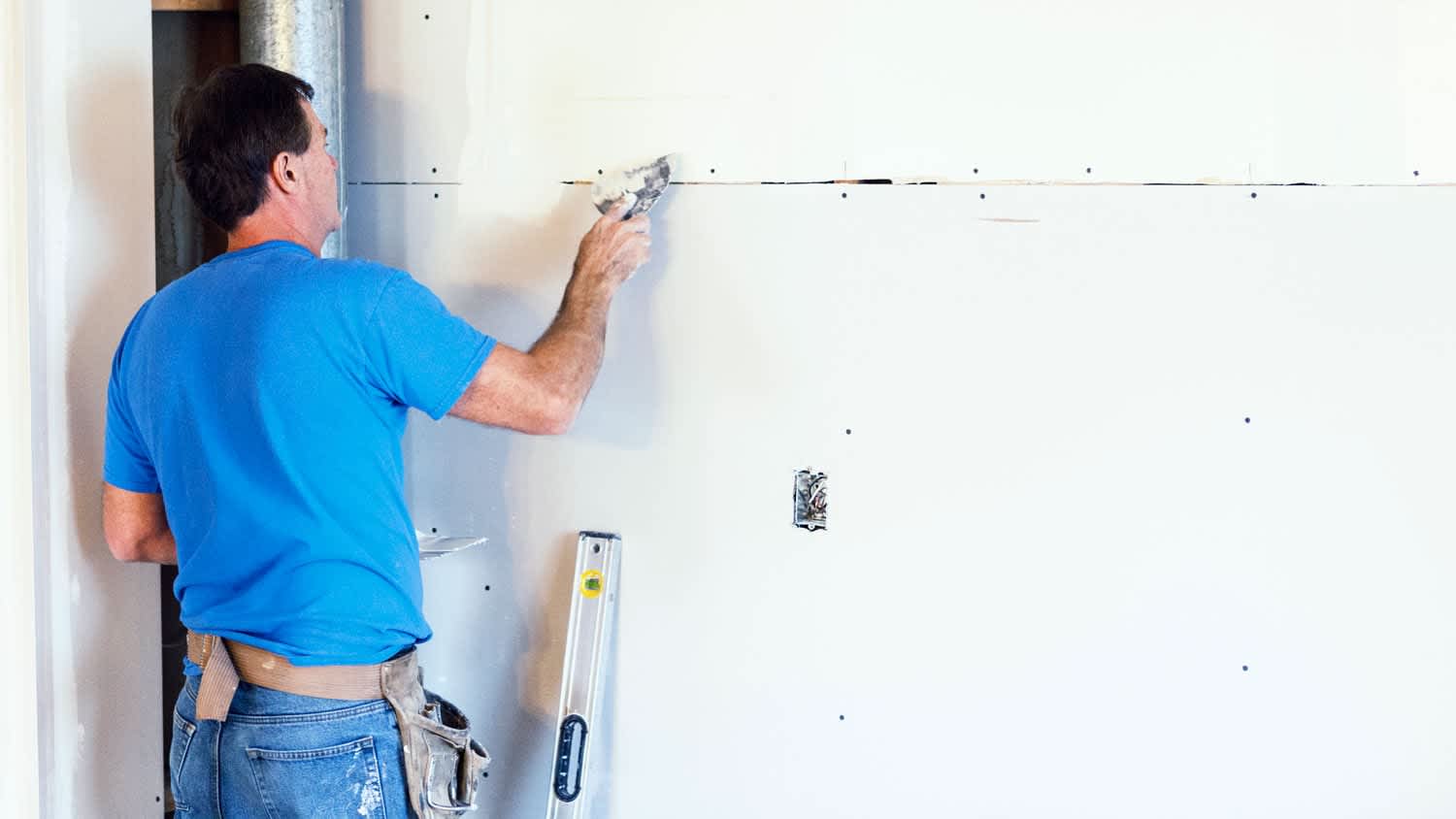
There are six levels of drywall finish, from 0 to 5, that refer to the amount of work performed during the finishing process.

Level 0: Drywall is hung with no finishing work.

Level 1: Tape is placed over the seams between drywall sheets.

Level 2: A thin layer of mud is applied over the tape and screw holes. This level is common for utility rooms or walls that will be covered.

Level 3: A full coat of mud covers the screw holes and tape, but the surface is not sanded. This is often used in garages.

Level 4: This is the most common finish for visible interior walls. It involves applying two coats of mud over seams and screw holes, with sanding between each coat, creating a smooth surface ready for flat paint.

Level 5: This is a high-end finish for luxury homes. It includes full taping, mudding, and sanding, plus a final skim coat over the entire surface before painting.

Drywall can be toxic to the environment and to humans in some cases. As drywall breaks down in a landfill and comes in contact with other organic chemicals, it can create hydrogen sulfide gas or leach into the groundwater. Additionally, the CDC recommends methods for controlling the inhalation of drywall dust when handled. While the common ingredients of drywall—gypsum, silica, and mica—are naturally occurring, they can cause irritation in some humans.

All plaster walls will crack over time due to normal house settling and expansion and contraction from temperature and moisture changes. Small, thin hairline cracks are generally not serious and are mostly a cosmetic issue. However, larger or more significant cracks can indicate structural problems.

Here's how to tell the difference:

  • Cosmetic Cracks: Cracks that are 0.5 cm (0.2 inches) or thinner are typically cosmetic.

  • Structural Cracks: Cracks wider than 0.5 cm, excessive or deep cracks, multiple cracks in the same area, or cracks that span around corners can signify a structural or foundation issue. Cracks along the joints where walls meet the ceiling also warrant attention.

For cracks wider than 0.5 cm, structural repair is needed. If a crack is 2.5 cm (1 inch) or wider, or if you notice any signs of a structural problem, it is best to contact a plaster repair professional to assess the damage.

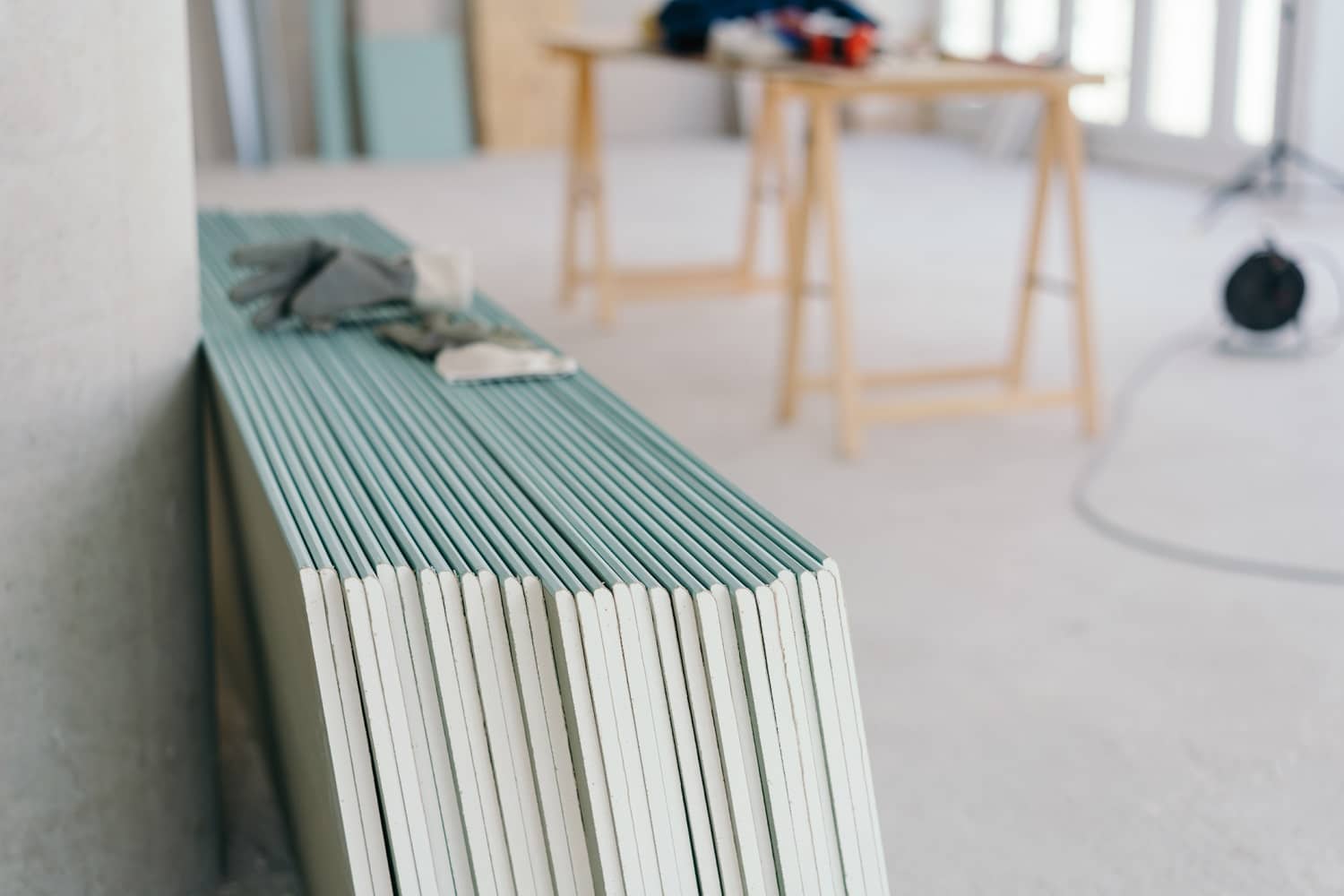
Whether it’s better to screw or glue drywall depends on your specific budget and project timeline. Professional drywall installers are more likely to use screws and fasteners than adhesives, but it takes longer. But if you are DIYing your drywall installation, glue is a perfectly fine choice if you’re willing to pay extra for adhesive.

The Ephrata, WA homeowners’ guide to drywall services

From average costs to expert advice, get all the answers you need to get your job done.