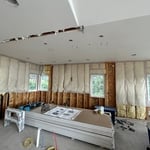
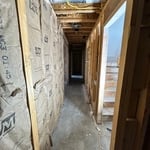
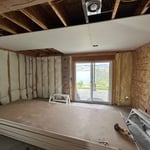
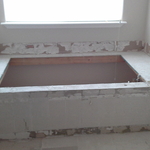
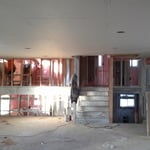
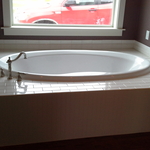
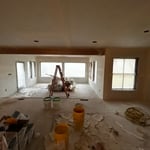
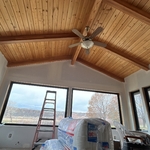
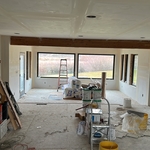
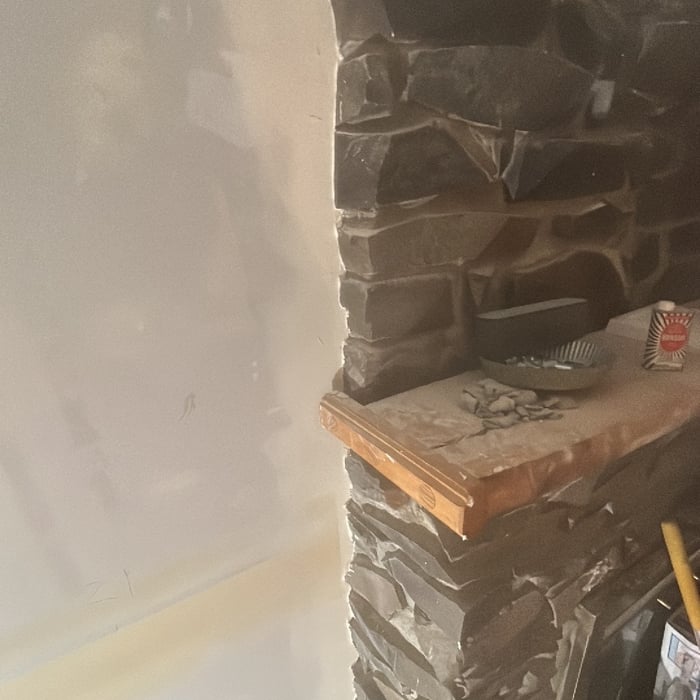
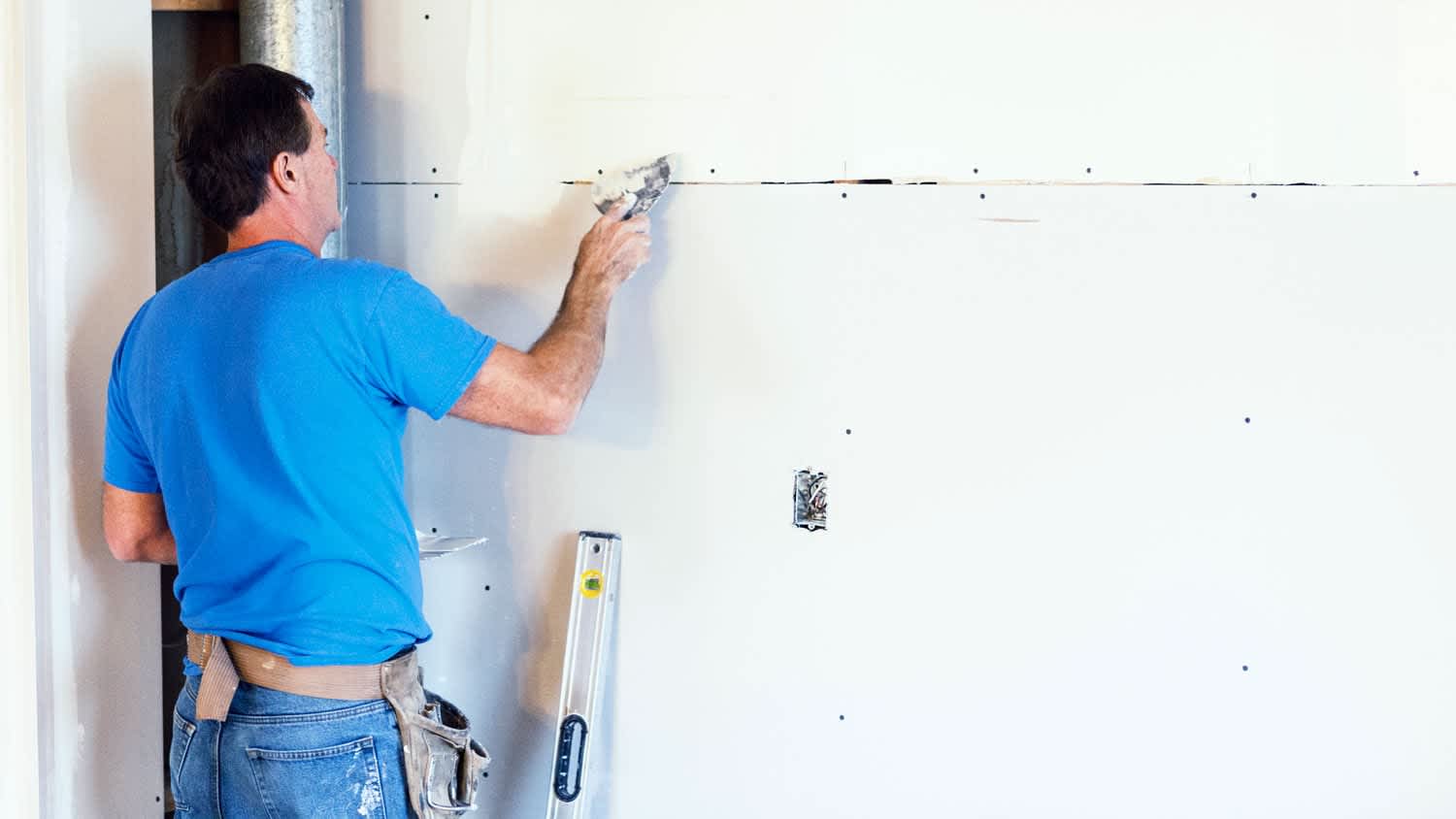
We take great pride in our experience, expertise, quality, and customer service that we provide to meet the consumer's needs. It is our mission to provide excellent workmanship and complete customer satisfaction from start to completion of a project. In order to understand the needs and expectations of our customers, we take great care to work and communicate with every customer in a professional manner. Our reputation is based on service, safety, and quality, regardless of how large or small the job.
"I absolutely loved working with United Master - from the Sales guy, Omero, who was always courteous, patient, and always readily available, to Mario and the paint crew, who did a phenomenal paint job. Their work was first class with some of my neighbors stopping by to comment on their work quality, and they were very fast and efficient too. We have staggered roofs with some risky heights and these guys painted every area with deligent and painstaking care. The Sales guy had agreed to refinish my front door after quote was signed with his painter but seems like there was some miscommunication between both. However, they got on the call and within 10mins, the painter was headed to the paint store to get more supplies to work on the door - no hassles! Best thing about United, other than their great staff and work, was that no other painters came even close to matching their rates - not even remotely close! Best value for money, I ve spent in a while. Thanks UM!"
"Brennan is a true pro. We contacted him on short notice to repair some drywall throughout our house and install new drywall in our bathrooms as part of a remodel. We had a narrow window to get the work done, and he fit us into his schedule and got it done on time. He did excellent quality work. His pricing is transparent and easy to understand. His communication was excellent and reliable, which was very important as we were trying to coordinate several moving pieces at once. We ended up moving the goalposts on him a couple times during the project, and he rolled with each one graciously. I would highly recommend him to anyone needing drywall work."
"The Right Choice did an amazing job on my home renovation. They turned my old run down house into a dream house for me. They removed my wood siding and replaced it with river rock, painted the rest of the house and patio cover, took out my concrete walkway and flower bed and replaced it with a porch made from pavers. They also made a walkway down to the street. Leo was great to work with. He told me he wanted me to be happy with the job and he went above and beyond to make sure I was. The crew that worked on the house was fabulous. They worked hard, paid attention to detail and I could tell they took pride in their work. Leo communicated on an almost daily basis and made sure I understood the process. I couldn't be happier and highly recommend Leo and this company."
"They were a very fast and professional company providing a high quality of work. Leveled floors, hung drywall, painted, installed flooring, and thresholds etc. Restored our home faster than we anticipated. Great communication also!"
Costs range from $500 to $5,000, depending on damage size, labor, and finishing requirements.
Drywall is safe to cut as long as you follow proper procedures, such as wearing personal protective equipment and using the right tools to score and cut the drywall. When cutting new drywall, it can release dust with silica and other compounds that could pose health risks. Leave cutting drywall to the pros, or wear a high-quality respiratory mask, goggles, and other PPE when handling drywall.
Regular inspections, repainting, and avoiding moisture exposure help maintain integrity.
Yes, small, superficial cracks are normal as homes settle. Older homes have a higher chance of showing signs of settling through hairline cracks from temperature changes, moisture changes, and soil shifting. However, larger cracks, or discolored cracks from water damage, may signify a bigger problem that requires reparations and preventative measures.
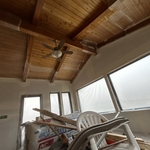
Many homeowners choose to install tongue and groove over drywall. The great thing about this type of ceiling is that it hides imperfections. If your drywall is a little bit wonky or has some minor damage, the tongue and groove planks should cover it and give it an even appearance. Installation is simplest if you install battens over the existing framing before installing your tongue and groove planks.
The Wenatchee, WA homeowners’ guide to drywall services
From average costs to expert advice, get all the answers you need to get your job done.
Drywall texture can create an attractive finish and add dimension to your home’s walls. This guide breaks down the factors that influence the cost to texture drywall.
Installing drywall is the most common way to finish your home’s interior. Use this drywall installation cost guide to see what your project is likely to cost.
Whether you want to spruce up a few dents and dings or fix a large surface area, investing in drywall repair costs can return your walls to a smooth, flush look.
Understanding the plaster vs. drywall debate is key to giving your home’s walls the perfect finish. Learn more about the pros, cons, and costs with our advice.
The terms drywall and Sheetrock are often used interchangeably, but one is a brand and one is a specific product. Find out which one you need in this guide.
Thick gaps and extra joint compound can alter the look of drywall. So, should drywall be butt up against a wall? Review this guide for seamless installation.