


Top-rated electricians.

Get matched with top electricians in Colville, WA

Enter your zip and get matched with up to 5 pros

Need a pro for your electrical service project in Colville, WA?

Select your specific project to find the pro for you.

TRUSTED BY COLVILLE, WA HOMEOWNERS

  • Average homeowner rating star icon4.6
    Average homeowner rating
  • Verified reviews icon21
    Verified electrical services reviews

Find Electricians in Colville

Avatar for Pacific Northwest Electric-PNWE
Pacific Northwest Electric-PNWE
5.0(
9
)
Electric Vehicle Charging Station InstallationElectric Vehicle Charging Station Installation - For BusinessElectric Vehicle Charging Station Installation - For Business - Materials Not Provided+12 more

Serving Colville, WA and surrounding areas

In business since 2023

Free estimates

Emergency services offered

"I'm very impressed. My house was built in 2024 and they came out to do the electrical. Most of it was done, but do to things needing to be done before they could finish, it became a long process. My husband passed away, and they had to work with me. They have been with me along the way. It's now 2026 and they are finishing everything up. I am thankful for honest people. I would recommend this company to people. Kim Campbell Springdale Wa."
Additional Photos
Additional Photos
Additional Photos
Additional Photos
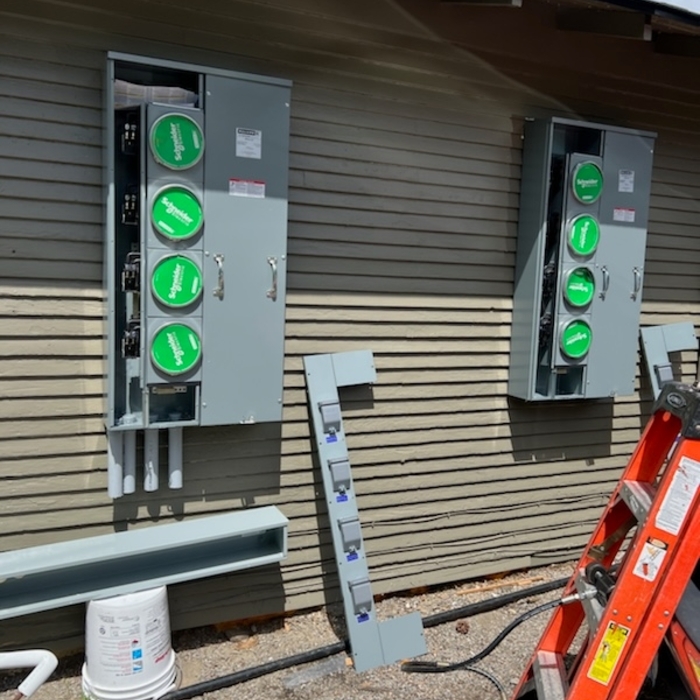
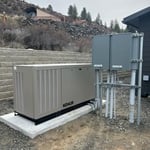
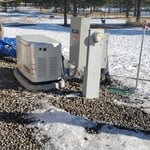
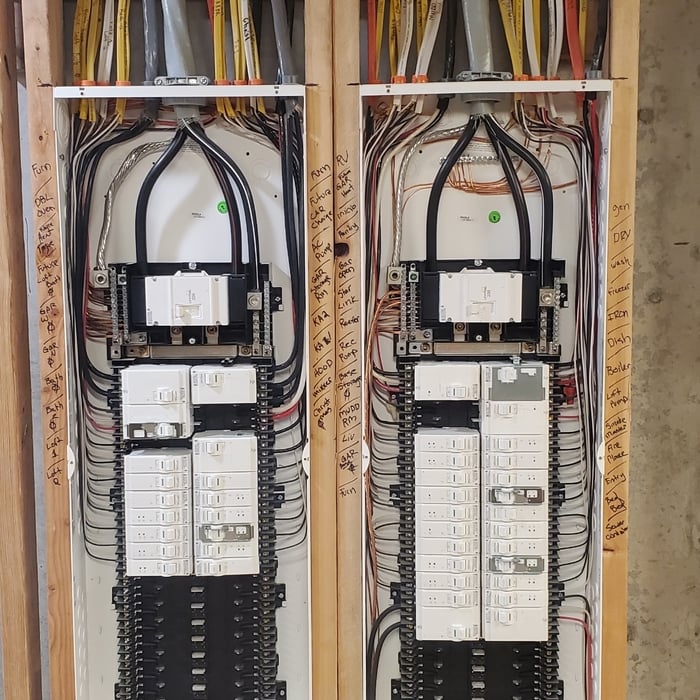
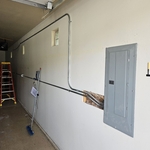
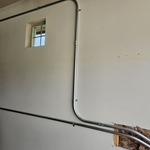
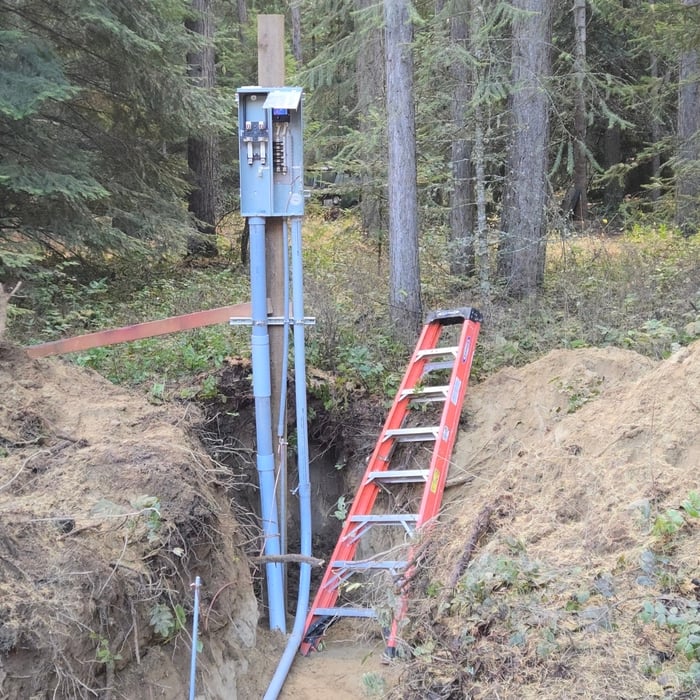
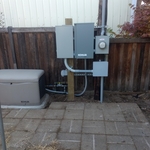
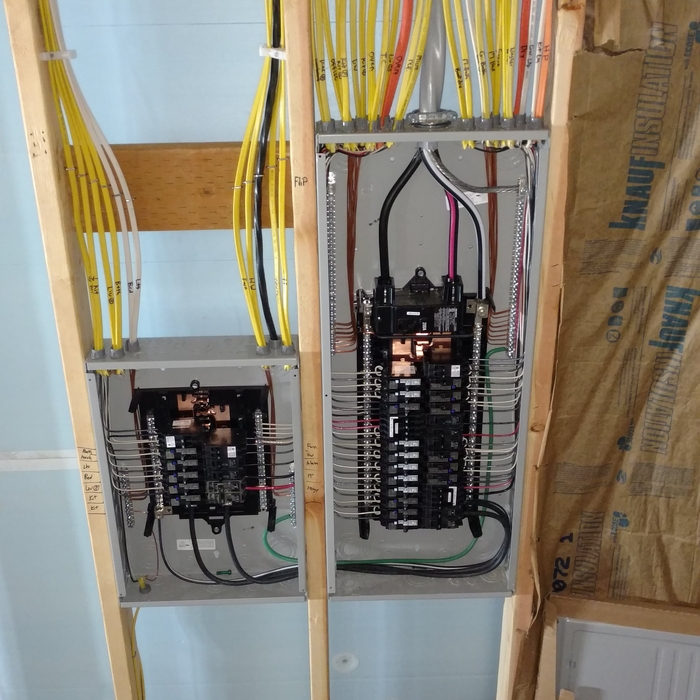
200 amp service in the woods!

+8

Response time10 hrs
Response rate100%
Recommended by62%of homeowners
Avatar for Hurst Electric LLC
Hurst Electric LLC
5.0(
5
)
Electric Vehicle Charging Station Installation - For Business - Materials Not ProvidedElectric Vehicle Charging Station Installation - For Business - Materials Provided by ConsumerElectric Vehicle Charging Station Installation - Materials Not Provided+11 more

Serving Colville, WA and surrounding areas

In business since 2025

Free estimates

Credit card accepted

We take great pride in our experience, expertise, quality, and customer service that we provide to meet the consumer's needs. It is our mission to provide excellent workmanship and complete customer satisfaction, from the start to the completion of a project. In order to understand the needs and expectations of our customers, we take great care to work and communicate with every customer in a professional manner. Our reputation is based on service, safety, and quality, regardless of how large or small the job\n

Response time4 hrs
Showing 1-10 of 25
Electrical questions, answered by experts

If you've ever tried to run your dishwasher while drying your hair, you’ll understand why dedicated circuits are essential for preventing blown fuses. Appliances that require more electricity than the circuit can handle could blow fuses, trip breakers, overheat, and risk an electrical fire. 

Having a dedicated circuit ensures that your appliance gets the current it needs without overloading the other circuits in your home.

Yes, blue wires can be hot wires in the U.S. However, they are less common in residential properties than red and black hot wires. Blue wires are typically used as traveler wires in three-way and four-way switches, as well as ceiling fans. They allow fixtures to be controlled by multiple switches, like when there are switches at the top and bottom of a staircase for the same light.

The average radon mitigation system uses about 876 kWh of electricity per year, although the exact amount of electricity used will vary depending on the size of the radon fan. Once the system is installed, the annual increase to your energy bill could range from $30 to $300 per year, again depending on the size of the fan.

Daisy-chaining refers to placing multiple GFCI outlets in a row along the same circuit. This won’t do any harm, but it’s of limited usefulness because a properly-placed GFCI can monitor all downstream outlets on its own. Multiple GFCI installations won’t usually increase safety except in special cases.

Yes, hot tubs can use a significant amount of electricity, primarily to keep the water heated. A typical hot tub uses between 1,500 and 6,000 watts, and the pump can add another 1,500 watts. This usage can result in a monthly cost of around $20 to $30. The exact amount of electricity consumed depends on several factors, including the hot tub's age, size, heater voltage (120V vs. 240V), usage habits, and thermostat setting. Newer, energy-efficient models generally use less power than older ones. To reduce electricity costs, consider investing in an energy-efficient model, using a quality insulated cover with a thermal blanket, and keeping the filters clean.

The Colville, WA homeowners’ guide to electrical services

From average costs to expert advice, get all the answers you need to get your job done.