




Top-rated electricians.

Get matched with top electricians in Kettle Falls, WA

Enter your zip and get matched with up to 5 pros

Need a pro for your electrical service project in Kettle Falls, WA?

Select your specific project to find the pro for you.

Find Electricians in Kettle Falls

Avatar for Hurst Electric LLC
Hurst Electric LLC
5.0(
5
)

Serving Kettle Falls, WA and surrounding areas

In business since 2025

Free estimates

Credit card accepted

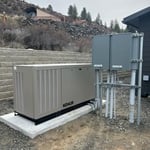
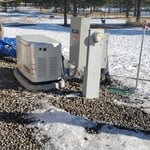
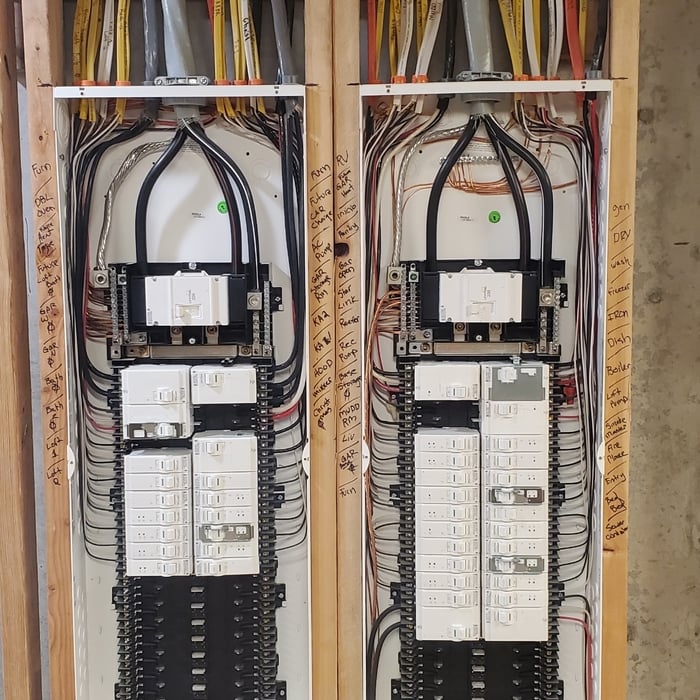
We take great pride in our experience, expertise, quality, and customer service that we provide to meet the consumer's needs. It is our mission to provide excellent workmanship and complete customer satisfaction, from the start to the completion of a project. In order to understand the needs and expectations of our customers, we take great care to work and communicate with every customer in a professional manner. Our reputation is based on service, safety, and quality, regardless of how large or small the job\n

Response time4 hrs
Avatar for My Computer Works, Inc.
My Computer Works, Inc.
4.0(
630
)

Serving Kettle Falls, WA and surrounding areas

In business since 2005

Free estimates

Credit card accepted

"I have had a contract with My Computer Works for almost a year and have called them for remote help at least 20 times. The techs are professional and highly efficient in diagnosing and repairing a wide range of problems, both simple and complex. Bless them!"
Training and Support
Recommended by86%of homeowners
Showing 1-10 of 23
Electrical questions, answered by experts

The average cost to hire an electrician is around $350. However, every electrical job varies in scope, materials, and labor involved, so while you will likely pay anywhere between $85 and $1,100 for standard jobs, a project like rewiring a house can cost up to $30,000. You might also pay slightly higher prices if you need emergency work done or if the work involves accessing a hard-to-reach area in your home, like an attic or cramped crawlspace. You should ask your electrician for an estimate before agreeing to the work.
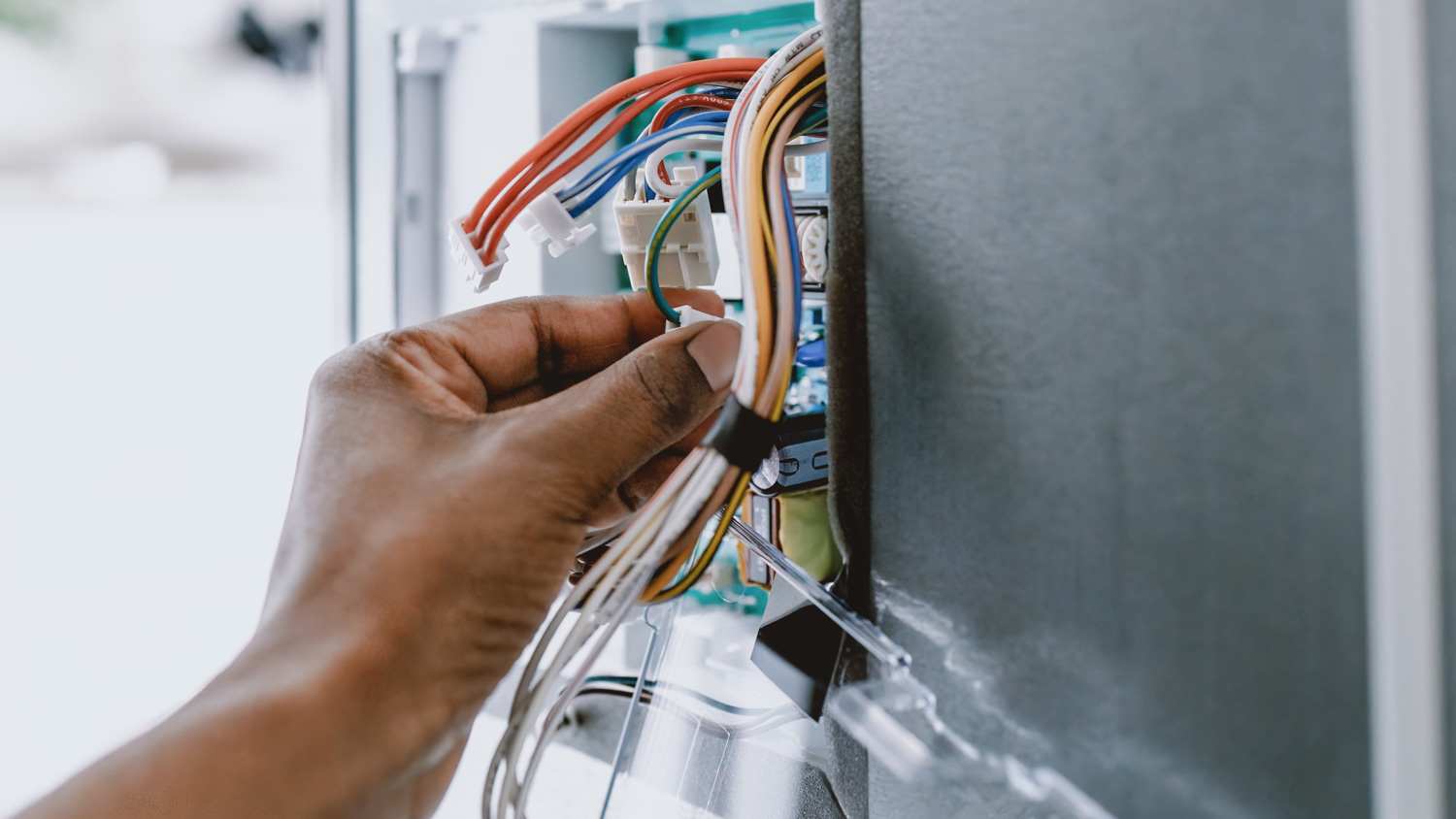

When wiring a switch, the power typically comes into the receptacle first. The neutral wire goes straight to the outlet, while the hot wire is split. You'll need a wire nut to splice the hot wire back to one of the receptacles, but you will also tie another wire into that same wire nut and run to the switch. That way, you can control the flow of electricity to that particular receptacle by turning the switch on and off.

It's less expensive to run power overhead because it doesn’t require excavation, and the power cables are less costly. However, underground electric service is better protected from weather and general wear and tear, so it’s less likely to get damaged. When determining which way to run power, consult a local electrician to get an expect opinion.

Incorrectly wiring a single-pole switch results in the connected light or device not turning on or tripping the circuit breaker. Although it doesn't matter which terminal the hot wire and the load wire connect to, mixing up a circuit wire with a ground or having loose connections can prevent the switch from working. 

No. Do not use a 14-gauge wire on a 20-amp outlet. A certified licensed electrician would know that the National Electrical Code (as per Section 240.4(D) subsection 3) requires 14-gauge wires to be used with a maximum amplitude of 15. Therefore, you should only use 12-gauge wires on 20-amp outlets.

The Kettle Falls, WA homeowners’ guide to electrical services

From average costs to expert advice, get all the answers you need to get your job done.