






Top-rated pest control specialists.

Get matched with top pest control specialists in Colfax, WA

Enter your zip and get matched with up to 5 pros

Need a pro for your pest control project in Colfax, WA?

Select your specific project to find the pro for you.

Find Pest control specialists in Colfax

Pest Control questions, answered by experts

The houseplants that are prone to spider mites include English ivy, palms, philodendrons, calathea, and alocasia. Although spider mites can infest any indoor plant, they are more commonly drawn to the types listed above. If you have these in your home, pay special attention to them to help catch signs of infestation early.

Roaches entering your home or infesting an area are usually the result of poor sanitation. Cockroaches feed off of crumbs, spills, food scraps, and other organic matter, so they’re more likely to stick around and come back for more if your space isn’t cleaned up regularly. Maintain your home and prevent roaches by cleaning the kitchen area daily, sealing food tightly, removing open water sources, and eliminating clutter.

According to the U.S. Environmental Protection Agency, pyrethrins and pyrethroids are the most common chemical compounds used to get rid of bed bugs. These chemicals force bed bugs out of their hiding spots and kill them on the spot so they are eliminated for good. Only professional exterminators can apply these treatments, and they are reserved for severe infestations.

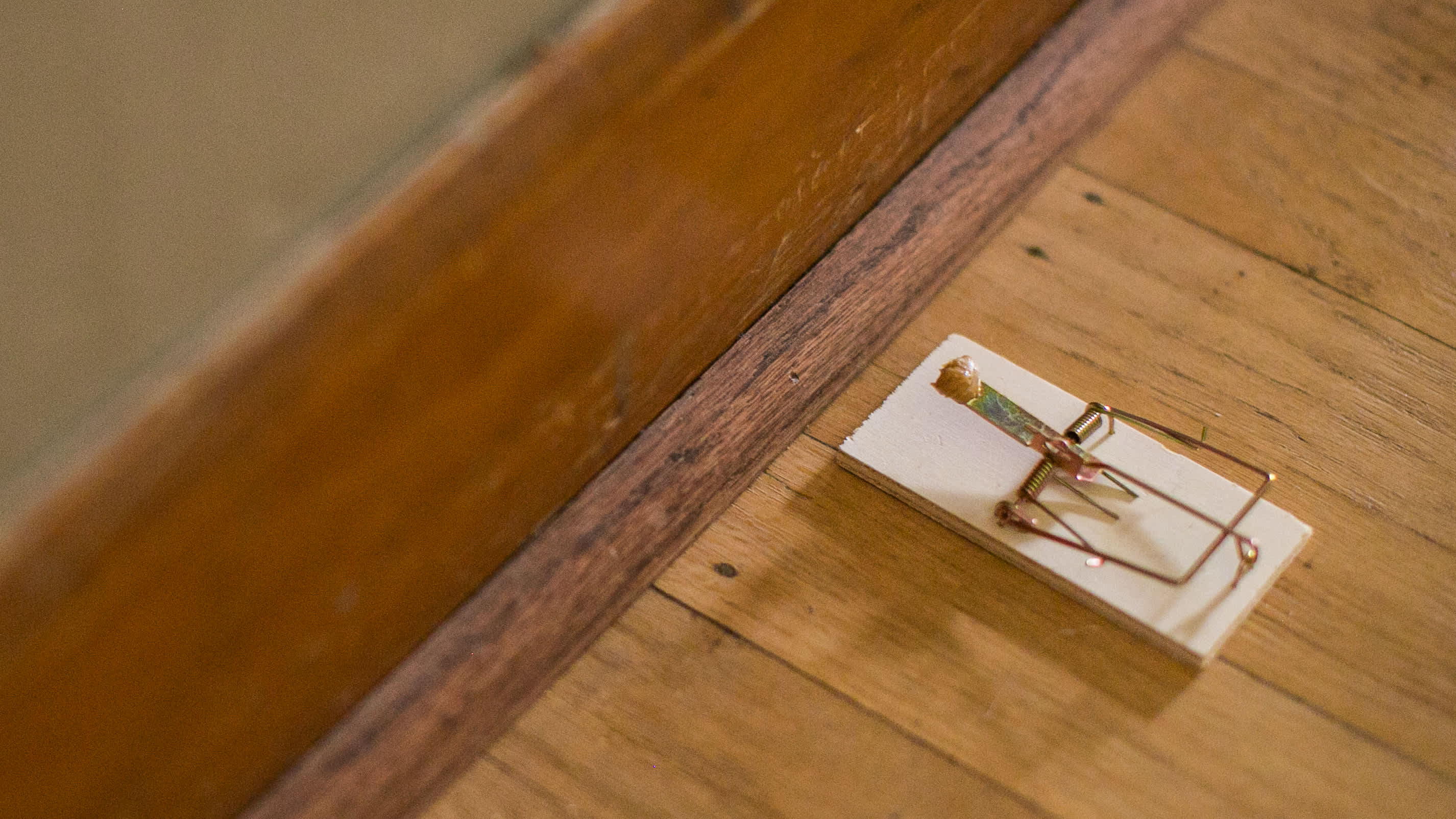
Setting up an animal trap in your yard largely depends on where you live and the type of critter you're dealing with. In many states, trapping nuisance animals like squirrels, rats, or raccoons is allowed, sometimes without needing a permit. However, certain wildlife species are protected, and not all states have lenient catch-and-release regulations.

Before placing a trap, check your local laws to avoid fines or other legal issues. Some areas allow DIY trapping, while others may require professional assistance. Most areas require a professional to relocate the animal once trapped. Consulting a pro ensures you handle the situation responsibly, humanely, and within the law.

Deers have an extraordinarily strong sense of smell, which means they can react strongly to certain scents. Lavender, garlic, mint, cinnamon, clove, and human hair are some of the most offensive scents for deer. You can try mixing some of these pungent oils or scents with a spray mixture and adding them to your garden.

The Colfax, WA homeowners’ guide to pest control services

From average costs to expert advice, get all the answers you need to get your job done.