

Top-rated drywall pros.

Best drywall pros near Cinebar, WA

Enter your zip and get matched with up to 5 pros

Need a pro for your drywall service project in Cinebar, WA?

Select your specific project to find the pro for you.

Top-Rated Drywall pros in Cinebar - Updated Nov 2026

Protech Environmental Services Inc
4.7(
77
)
Drywall - InstallDrywall - Install - For BusinessDrywall - Repair+1 more

Serving Cinebar, WA and surrounding areas

In business since 2009

Free estimates

Emergency services offered

"Protech showed up on time and did the work, finishing a bit earlier than estimated, which was good. The underlying drywall was left in good condition. There were a few tears partway through the drywall paper, but that is to be expected by the process and obviously the ceiling needs to be repaired/re-mudded and possibly textured, so none of it really matters. The only very minor issue was they left a 5-6 staples in trim. These staples held the plastic sheeting used for containment. I don't mind, because I'm removing this trim anyway."
Recommended by96%of homeowners
Avatar for Layman Home Solutions, LLC
Layman Home Solutions, LLC
5.0(
4
)
Drywall - Repair

Serving Cinebar, WA and surrounding areas

In business since 2018

Free estimates

Emergency services offered

"They do stellar quality work. It is challenging to find someone like their company that can do it all from minor electrical, to plumbing, to carpentry. They are my go to guys and they truly are a jack of all trades!"
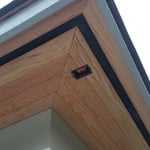
Soffit Replacement with ventilation screen
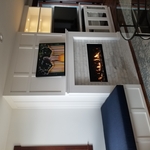
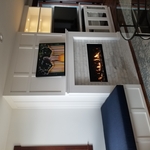
Updated Fireplace
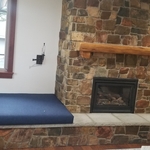
Fireplace Renovation Before
Fireplace Renovation
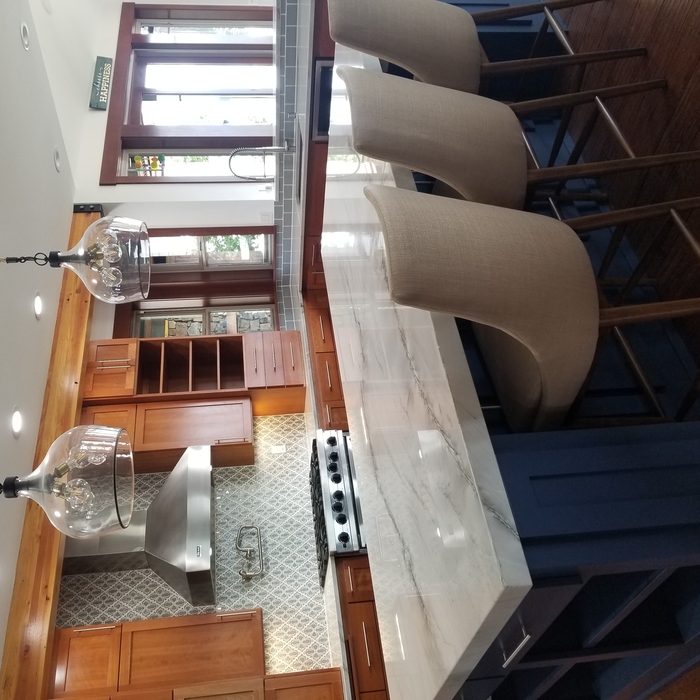
Kitchen Update

+38

Response time1 day
Recommended by100%of homeowners
She Paints
4.3(
10
)
Drywall - Repair

Serving Cinebar, WA and surrounding areas

In business since 1996

Free estimates

Small jobs welcome

"Susan Gaudet and crew did an excellent job painting the interior of my house in preparation for showing the house to sell. Their work was of the highest quality and as promised in the initial survey. Susan Gaudet and crew were also very amicable, personable and a pleasure to have on the job. Her quote was also the most competitively priced while still providing the requisite quality of service. I was very pleased with the results and would have She Paints do another job for me in the future."
Recommended by55%of homeowners
...
Showing 1-10 of 52
Drywall FAQs, answered by experts

Plaster ceilings can sag for several reasons. In some cases, the plaster and other building materials shift and come apart over time, which is why you’ll commonly find drooping plaster ceilings in older homes. Improper installation, foot traffic, and water damage—often from a leaky roof or a broken pipe—can also cause plaster ceilings to sag.

Whether you need drywall anchors depends on your specific project, particularly where you are hanging an item. Drywall anchors are not necessary if you can drive a screw directly into a wooden stud behind the wall, as the stud provides sufficient support. However, since studs are not present everywhere in a wall, you will need to use drywall anchors if you are hanging an object in a location without a stud. For very lightweight items, picture hanging strips can also be a suitable alternative.

Most drywall used for interior walls of homes is 1/2-inch thick. This size strikes a balance of being easy to handle and hang while being thick enough for the durability needed on interior wall applications.

Most repairs take 1-3 days, depending on drying times for joint compound and paint touch-ups.

Although they have similar applications, spackle and joint compound are not the same. Their primary differences lie in their composition, consistency, and ideal use cases.

Spackle is composed of gypsum and binding agents, making it thicker than joint compound. It dries quickly and is easy to sand, which makes it ideal for small wall repair projects like filling nail holes or patching minor damage.

Joint compound, also known as drywall mud, consists of limestone and gypsum. It is primarily used for large-scale projects, such as taping and finishing the seams on newly installed drywall. It tends to shrink more than spackle and can be more difficult to spread.

While both products can be used to fill small depressions and cracks, spackle cannot replace joint compound for taping and mudding new drywall. Conversely, you can often use joint compound for small patching jobs typically done with spackle.

The Cinebar, WA homeowners’ guide to drywall services

From average costs to expert advice, get all the answers you need to get your job done.