

Top-rated drywall pros.

Get matched with top drywall pros in Yelm, WA

Enter your zip and get matched with up to 5 pros

Need a pro for your drywall service project in Yelm, WA?

Select your specific project to find the pro for you.

TRUSTED BY YELM, WA HOMEOWNERS

  • Average homeowner rating star icon4.3
    Average homeowner rating
  • Verified reviews icon70
    Verified drywall services reviews

Find Drywall pros in Yelm

Avatar for Blanning Family Remodeling & Handiwork, Inc.
Blanning Family Remodeling & Handiwork, Inc.
4.7(
66
)
Drywall - Repair

Serving Yelm, WA and surrounding areas

Approved

Super Service Award Winner

In business since 2014

Free estimates

Warranties offered

"He was able to come that day and completed the project to satisfaction. Was willing to make a deal for price since it didn't take too long to fix issue. Would hire again."
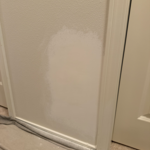
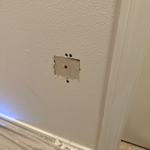
Renter's attempted repair
After
Before
AFTER!
Before

+4

Response time6 hrs
6 neighbors recently requested a quote
Recommended by87%of homeowners
Avatar for Perfect Patch Pros
Perfect Patch Pros
5.0(
22
)
Drywall - InstallDrywall - Install - For BusinessDrywall - Repair+1 more

Serving Yelm, WA and surrounding areas

Free estimates

Warranties offered

Small jobs welcome

"Indigo at Perfect Patch Pros did an outstanding job with our ceiling drywall repairs! He responded to my inquiry almost immediately, offered competitive pricing, and got me on the schedule right away. The quality of the repair was top-notch, with the texture perfectly matched to the surrounding drywall. Thanks!"
Additional Photos
Additional Photos
Additional Photos
Additional Photos
Recommended by95%of homeowners
...
Showing 1-10 of 154
Drywall questions, answered by experts

The age of your home can clue you in to whether you have plaster or drywall ceilings. Homes built after the ‘70s are more likely to have drywall ceilings and walls, while older homes have plaster. You can also do the pushpin test: A pushpin will go into drywall, whereas it’s much harder to push one into a plaster wall. If you’re still unsure, ask a drywall professional to let you know which type of ceilings and walls you have.

The two most common drywall thicknesses for ceilings are 1/2-inch and 5/8-inch. For most standard residential applications, 1/2-inch drywall is sufficient and widely used. It provides adequate support and is lighter and easier to handle during installation compared to thicker sheets. However, 5/8-inch drywall is often used for specific cases where additional benefits are needed. It is heavier but provides superior sound dampening and fire resistance. You should consider using 5/8-inch drywall for ceilings in commercial buildings, between a garage and a living space, or above a finished basement to meet building codes or for enhanced soundproofing.

In framing, studs are placed at 16-inch intervals to coincide with the typical spacing of wall materials such as drywall or plywood. This spacing is called "on-center" and is necessary for maintaining structural stability and efficient use of materials. The 16-inch spacing also helps to distribute the weight evenly across the building's structure. For those looking to cut material costs and improve energy efficiency, 24-inch stud spacing can be employed through a method called "advanced framing". This requires careful planning and adherence to local building codes to ensure structural integrity.

To properly clean and maintain your skip trowel drywall texture, dust the surface weekly with an electrostatic duster or vacuum with a soft brush attachment. Never scrub the surface. You can remove stains by gently applying a mild detergent solution with a paint roller, removing it with a damp roller, and drying with a dry roller. To cut down on cleaning frequency, avoid indoor smoking and limit the use of fireplaces.

Although they have similar applications, spackle and joint compound are not the same. Their primary differences lie in their composition, consistency, and ideal use cases.

Spackle is composed of gypsum and binding agents, making it thicker than joint compound. It dries quickly and is easy to sand, which makes it ideal for small wall repair projects like filling nail holes or patching minor damage.

Joint compound, also known as drywall mud, consists of limestone and gypsum. It is primarily used for large-scale projects, such as taping and finishing the seams on newly installed drywall. It tends to shrink more than spackle and can be more difficult to spread.

While both products can be used to fill small depressions and cracks, spackle cannot replace joint compound for taping and mudding new drywall. Conversely, you can often use joint compound for small patching jobs typically done with spackle.

The Yelm, WA homeowners’ guide to drywall services

From average costs to expert advice, get all the answers you need to get your job done.