







Top-rated energy efficiency auditors.

Get matched with top energy efficiency auditors in Putney, VT

Enter your zip and get matched with up to 5 pros

Need a pro for your energy efficiency auditing project in Putney, VT?

Select your specific project to find the pro for you.

Find Energy efficiency auditors in Putney

Avatar for Gabriel Hahn
Gabriel Hahn
New to Angi
Home Energy Audit

Serving Putney, VT and surrounding areas

Approved

Emergency services offered

Small jobs welcome

Credit card accepted

I conduct energy audit tests for homes, whether they are colonial or brand new construction. I can recommend you various forms of weathersealant, thermal wrappings, and storm window techniques, saving you thousands in the form of long-term heat insulation tech-forward solutions.

2 neighbors recently requested a quote
Energy Efficiency Auditing questions, answered by experts

Costs depend on pipe length, accessibility, and whether additional services are required.

You can increase your home’s load factor by replacing fuse boxes with a circuit breaker, hiring a licensed electrician to upgrade your electrical panel, upgrading wiring, or installing subpanels. An electrical inspection by an expert can help determine the state of your current electrical systems and how they can be improved.

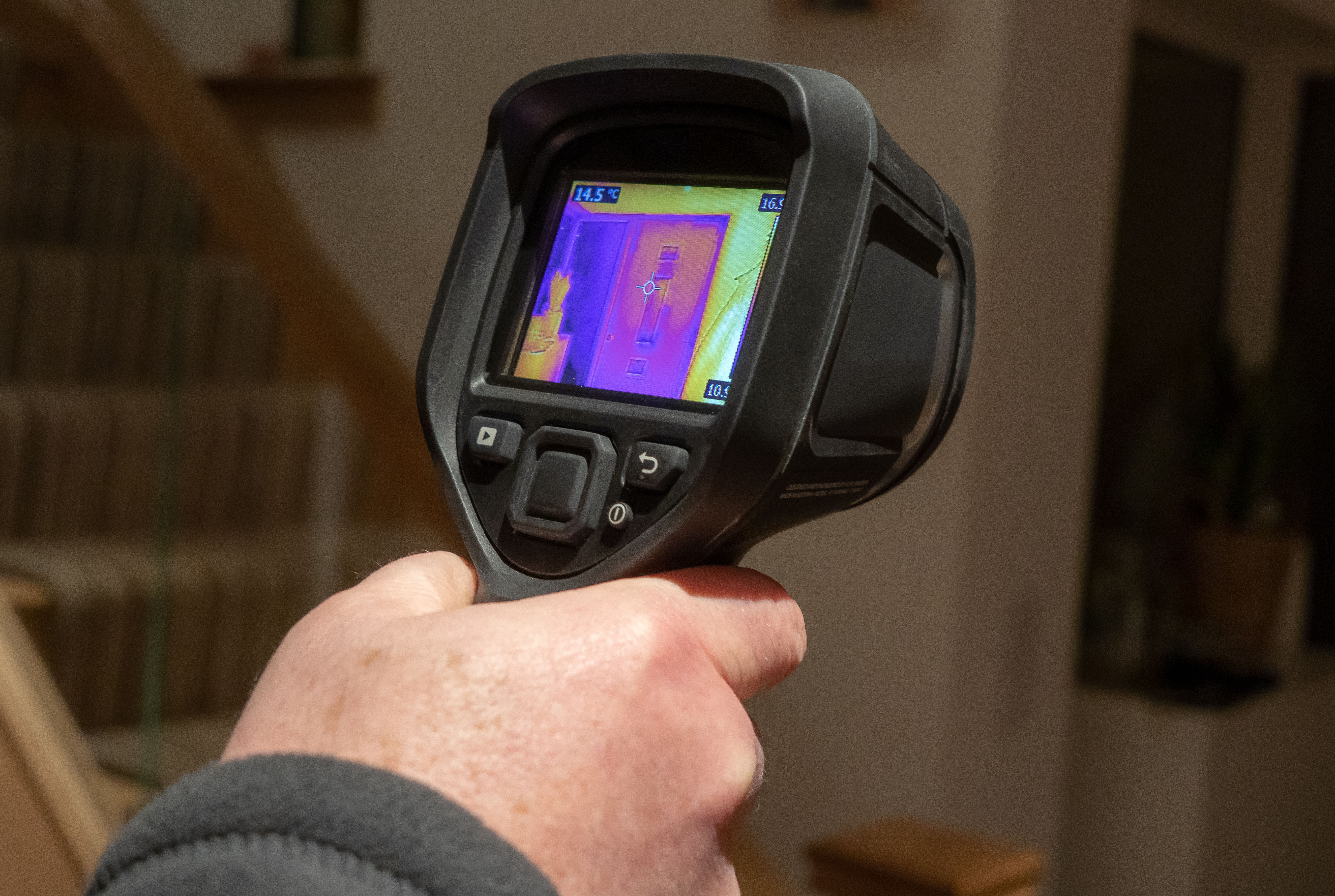
Typically, a local home energy auditor is responsible for performing energy audits. A home energy auditor will conduct one of three energy audits designed by the American Society of Heating, Refrigerating, and Air-Conditioning Engineers (ASHRAE) to determine the energy efficiency of your home. The auditor often provides analysis that can help guide changes and improvements to your home for better energy efficiency, giving recommendations as necessary.

To determine the right size generator for your house, you should calculate the total wattage of the appliances and devices you want to power during an outage. List all essential items, note their start-up wattages, and add them together.

Here are some typical wattage requirements for common appliances:

  • Refrigerator: 600 watts

  • Large dehumidifier: 700 watts

  • Large window air conditioner: 1,400 watts

  • Water heater: 3,000 to 4,500 watts

  • Electric furnace: 5,000 to 25,000 watts

A 7,500-watt generator might be sufficient for essentials like a refrigerator, freezer, well pump, and lighting circuits. However, for high-demand items like a water heater or furnace, a whole-home generator is a better choice. A portable generator may be enough if you only need to power a few critical items.

While home square footage can offer a rough estimate, it is not always a reliable indicator. For reference, here are some typical generator sizes based on square footage:

  • 1,000 sq ft: 6–9 kW

  • 1,500 sq ft: 7–10 kW

  • 2,000 sq ft: 10–14 kW

  • 2,500 sq ft: 12–16 kW

  • 3,000 sq ft: 16–20 kW+

For the most accurate sizing, consult a professional who can calculate your home's peak and average power consumption and recommend the optimal generator.

When installing a new furnace, it's a good time to consider other projects that can enhance your home's energy efficiency. A great first step is to get a home energy audit, which will identify areas for improvement. Common recommendations include sealing or replacing windows and adding insulation to the attic. These upgrades can help you save money on monthly utility costs. You might also consider installing a smart thermostat to make heating your home more convenient and efficient.

The Putney, VT homeowners’ guide to energy efficiency auditing services

From average costs to expert advice, get all the answers you need to get your job done.