







Top-rated energy efficiency auditors.

Best energy efficiency auditors near Brookline, VT

Enter your zip and get matched with up to 5 pros

Need a pro for your energy efficiency auditing project in Brookline, VT?

Select your specific project to find the pro for you.

Top-Rated Energy efficiency auditors in Brookline - Updated Nov 2026

Avatar for Gabriel Hahn
Gabriel Hahn
New to Angi
Home Energy Audit

Serving Brookline, VT and surrounding areas

Approved

Emergency services offered

Small jobs welcome

Credit card accepted

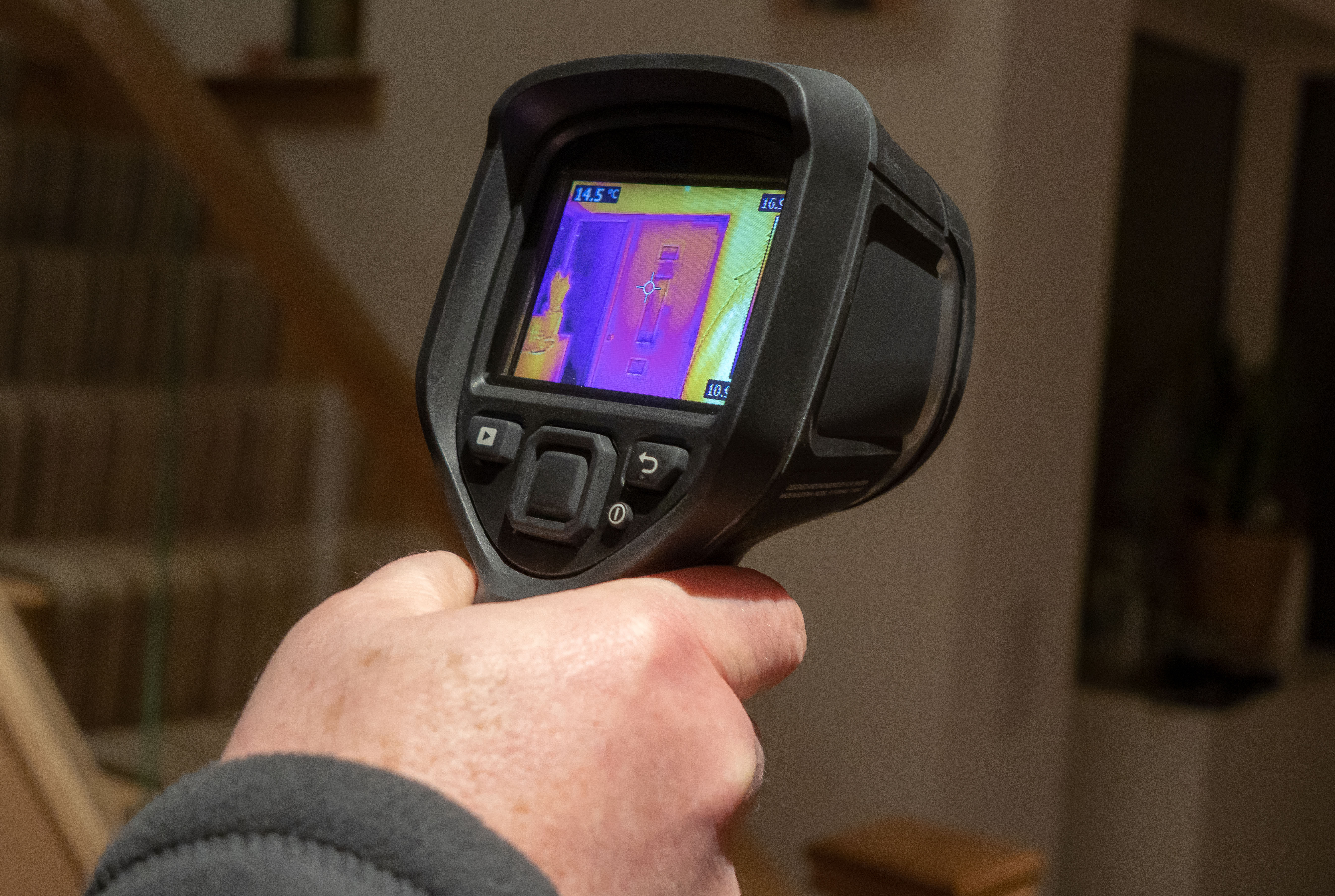
I conduct energy audit tests for homes, whether they are colonial or brand new construction. I can recommend you various forms of weathersealant, thermal wrappings, and storm window techniques, saving you thousands in the form of long-term heat insulation tech-forward solutions.


Energy Efficiency Auditing FAQs, answered by experts

You can increase your home’s load factor by replacing fuse boxes with a circuit breaker, hiring a licensed electrician to upgrade your electrical panel, upgrading wiring, or installing subpanels. An electrical inspection by an expert can help determine the state of your current electrical systems and how they can be improved.

If you have central air conditioning, it’s fine to run your AC all day if that’s what you want—as long as the AC unit is in good condition. But if your AC runs constantly when you don’t want it to, there may be a problem with your system (like the ones we’ve mentioned above). Window AC units and wall air conditioners aren’t as powerful as central AC, so you should only run those kinds of air conditioners for eight to 12 hours at a time.

Electric bills tend to be lower in spring and fall because people use less electricity during these seasons. Milder temperatures allow for less use of heating and cooling, unlike during winter and summer, which usually bring more extreme temperatures.

Yes, these services often increase home value by preventing moisture-related issues and enhancing the usable space in basements or crawlspaces.

There is no blanket figure for a residential home’s electrical load, since load varies by the size of the home, how many appliances are used, and the efficiency of their electrical systems. Typically, however, it’s safe to assume 40 to 60 amps is the average electrical load of a residential home. 

The Brookline, VT homeowners’ guide to energy efficiency auditing services

From average costs to expert advice, get all the answers you need to get your job done.