




Top-rated energy efficiency auditors.

Get matched with top energy efficiency auditors in Smithfield, VA

Enter your zip and get matched with up to 5 pros

Need a pro for your energy efficiency auditing project in Smithfield, VA?

Select your specific project to find the pro for you.

Find Energy efficiency auditors in Smithfield

Avatar for Hybrid Air Heating & Air Conditioning, Inc.
Hybrid Air Heating & Air Conditioning, Inc.
4.2(
73
)
Energy Audit - For BusinessHome Energy Audit

Serving Smithfield, VA and surrounding areas

In business since 2008

Free estimates

Emergency services offered

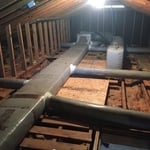
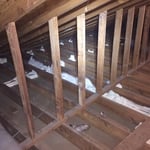
"Had Trane XL 16i 2.5 ton straight ac condenser with AC Split,TEM6 Air Handler Installed Tech Dave Miles & Jr. Mechanic Jake Thiles . They Did The Work Of Four People In Eight Hours On 16 July 2020. Taking Out Old Unit And Installing New Unit With New Drain Lines . Attic Was Tight Space . They Did Great Job . Hope They Both Get Raise . I Have My Universal HVAC License with Recovery and Can Appreciate How Much Work Was Involved ! Tech Jake Tuel Looked At Old System And Set Up Complete Price Which Was Good Install Complete Price. I Look Forward To Them Cleaning The Two Coils Twice A Year And Servicing Unit. Electric Bill Is Lower Now . Thanks To All The Hybrid Air Family !"
Additional Photos
Additional Photos
Additional Photos
Additional Photos
Home Advisor contractor of the year

+9

Recommended by79%of homeowners
Top Rope Inspection Services, LLC
New to Angi
Home Energy Audit

Serving Smithfield, VA and surrounding areas

In business since 2014

Free estimates

In newer and older homes, the best way to ensure that you are well informed about the strengths and weaknesses of a property is with a Top Rope Inspection Services, LLC. Upon completion of the inspection, we will make sure you fully understand each and every item in the report and the importance of each item. Call us today for a fair, unbiased inspection.

Energy Efficiency Auditing questions, answered by experts

Yes, mini-split or ductless AC systems add value to a home and do not devalue it. They are an attractive feature for potential buyers, especially in older homes without existing ductwork, as they provide a practical air conditioning solution without the significant expense and hassle of installing traditional ducts. Ductless systems also eliminate issues associated with conventional ductwork, such as noise and the potential for pests. Furthermore, homeowners value energy-efficient solutions, and mini-splits offer high efficiency for both heating and cooling, plus zoned temperature control. This leads to lower energy consumption and reduced electric bills, which is a major selling point.

There are energy-efficient options when building a cottage. Select green building materials, high-performance insulation, and energy-efficient windows when designing your cottage. Options such as solar panels, efficient HVAC systems, and LED lighting can lower your utility bills and reduce your environmental impact. Many builders offer energy-efficient upgrades as part of the design process.

While some aspects of an appraisal, such as comparable properties nearby, are out of your control, there are several steps you can take to potentially increase your home's value. Make any necessary repairs and upgrades before the appraiser's visit, as they can only value what is currently part of the home, not its potential. Examples include renovating older areas, updating landscaping to boost curb appeal, and staging your home. You can also provide the appraiser with the cost of recent upgrades, which may increase your home's value by about 50% or more of what you paid for those improvements.

There are a couple of ways you can save on the cost of your home energy audit. First, find out if you qualify for programs like the Department of Energy’s Weatherization Assistance Program for low-income households. Next, check with your local utility company to find out if you qualify for any local rebate programs to offset the cost of this helpful service.

Window AC units use a fair amount of electricity, but significantly less than central AC systems. Because they are more energy-efficient for cooling individual rooms or small spaces, their usage is comparatively low. On average, a window AC unit consumes between 500 and 1,400 watts, while a central AC system uses over 3,500 watts—meaning a window unit uses about one-third of the energy. This typically translates to a monthly running cost of $15 to $40, although this can vary depending on external factors.

The Smithfield, VA homeowners’ guide to energy efficiency auditing services

From average costs to expert advice, get all the answers you need to get your job done.