



Top-rated fountain pros.

Get matched with top fountain pros in Roanoke, VA

Enter your zip and get matched with up to 5 pros

Need a pro for your fountain service project in Roanoke, VA?

Select your specific project to find the pro for you.

Find Fountain pros in Roanoke

Fountains questions, answered by experts

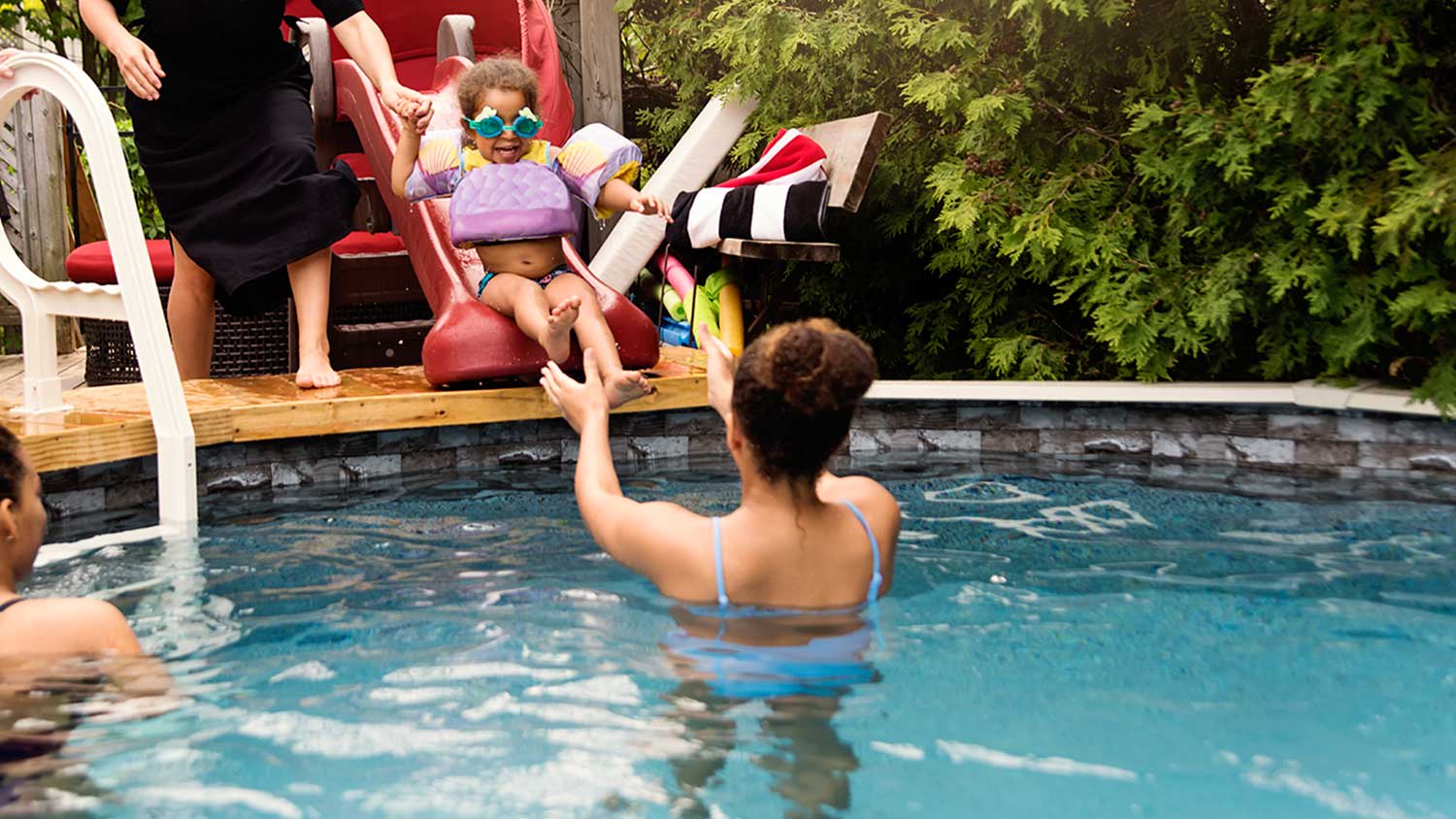
Because frogs require fresh water for survival, they can die from repeated exposure to swimming pool chemicals. Chlorine dehydrates frogs, which can lead to their deaths. To ensure frogs don’t hang out in your pool for long periods, safely remove them once you spot them in your pool and install a frog log so they can easily hop out on their own.

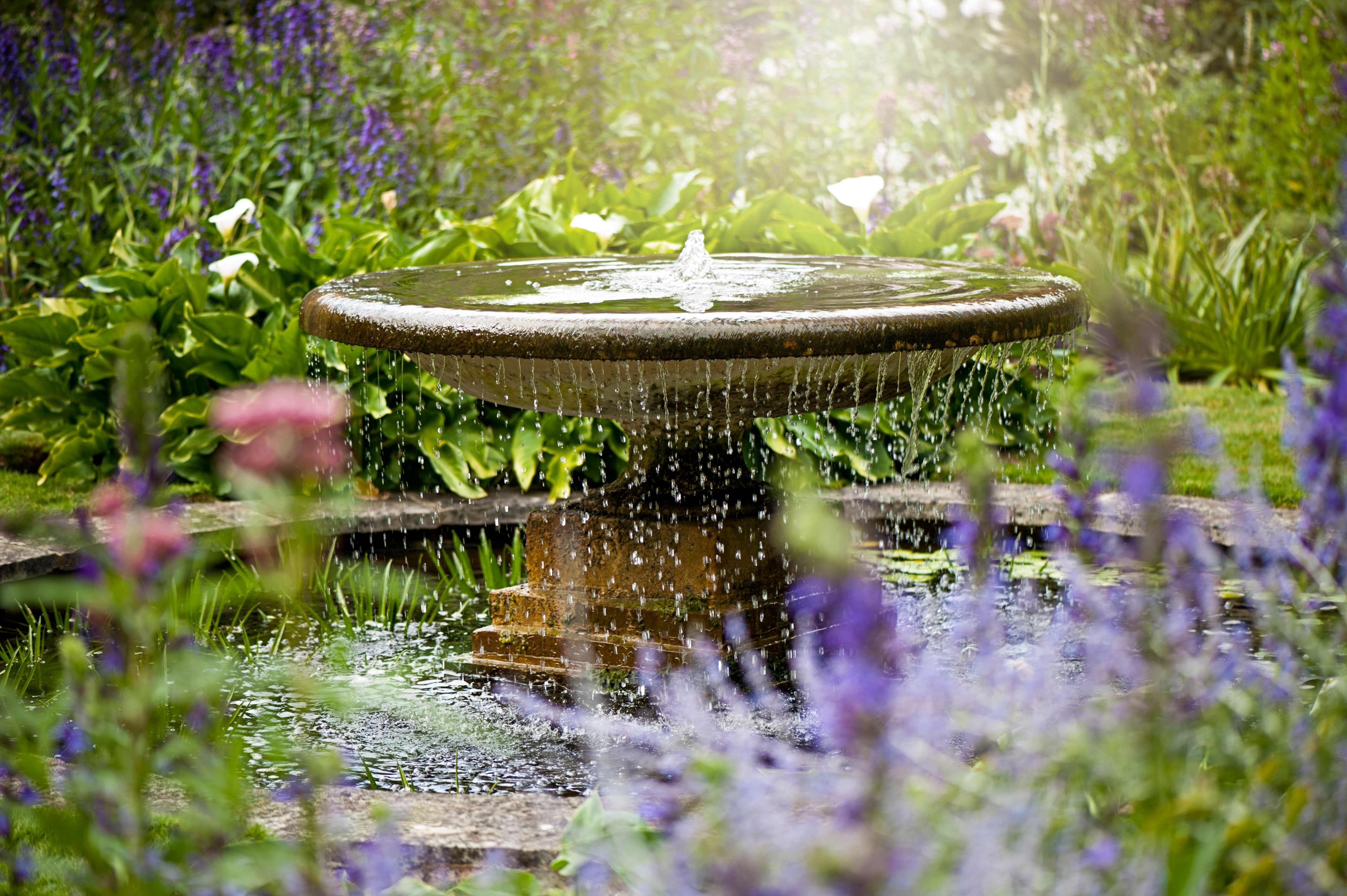
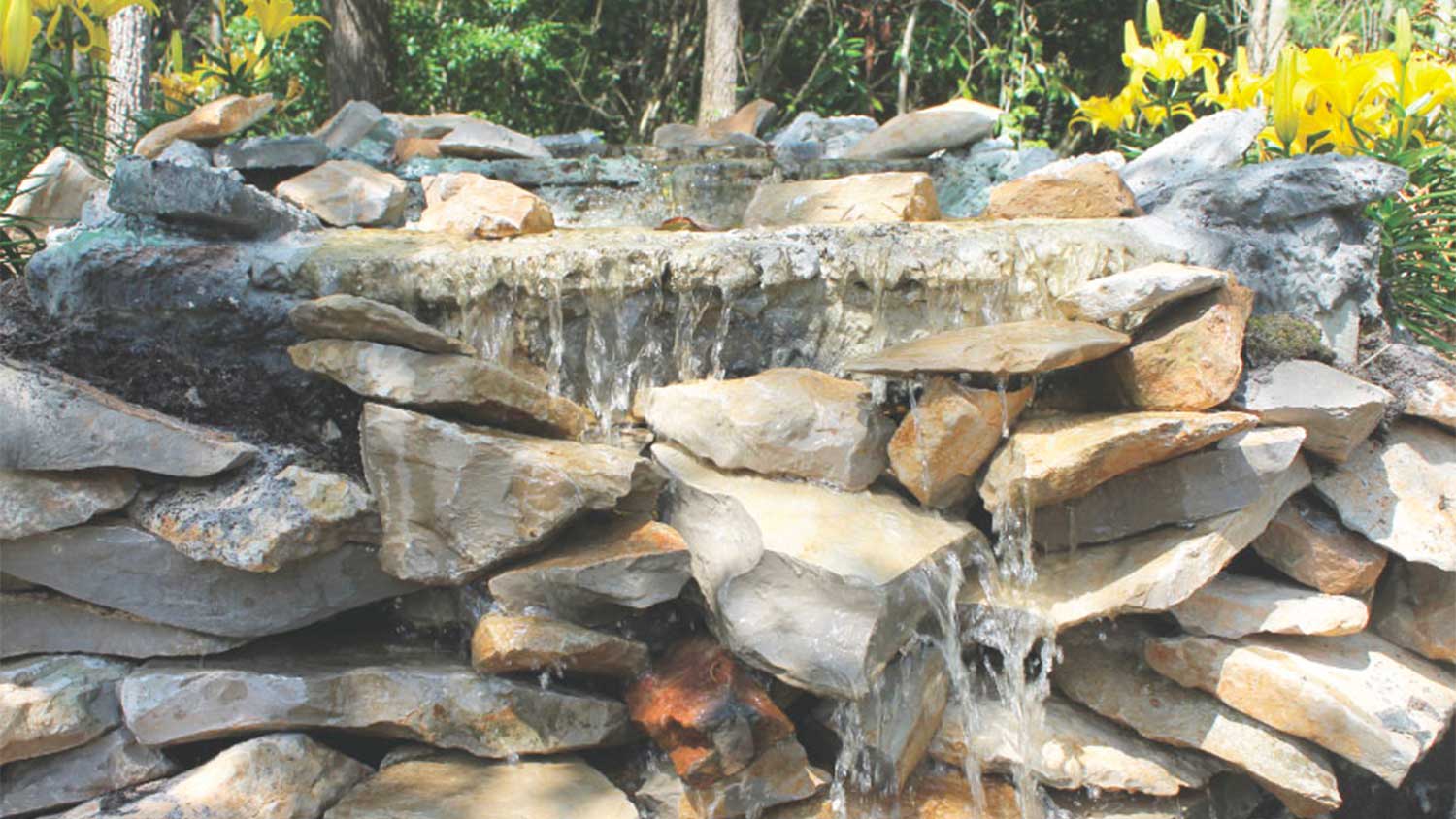
You can choose several types of fountains to add to your backyard, ranging in size, number of basins, and special water features. 

Check out the price ranges of common fountain types:

  • Birdbath fountains: $40 to $1,100

  • Cascading fountains: $40 to $2,000

  • Tiered fountains: $100 to $6,000

  • Kugel fountains: $150 to $5,000

  • Glass wall fountains: $100 to $3,000

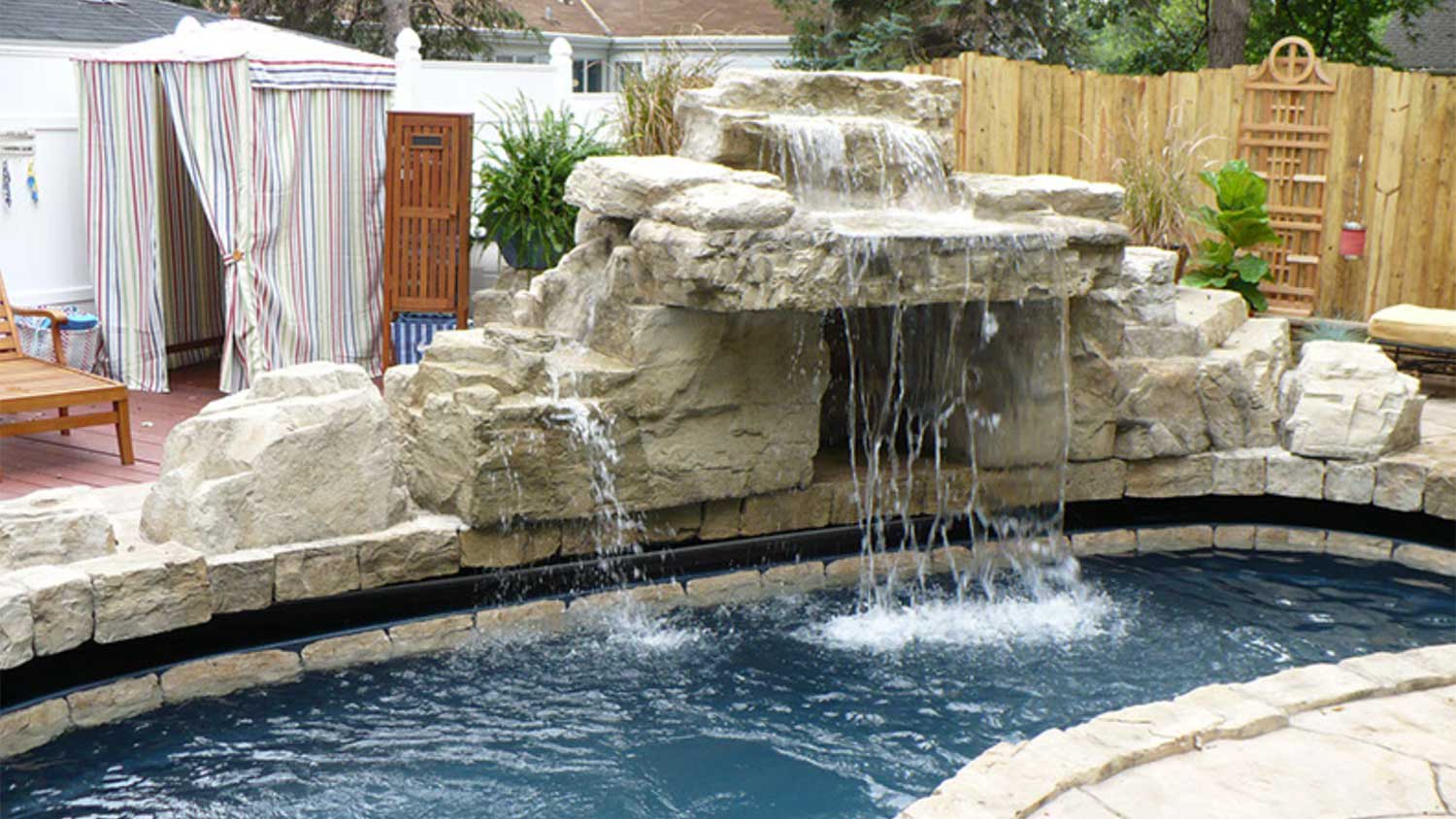
Installing an outdoor water fountain costs $2,700 on average, not including the cost of the unit. Prices range from $150 to $10,650, depending on your location, the type of fountain, size, and accessibility to the site. Self-contained fountains and water features recirculate the water within the unit. Depending on size and features like multi-tiered cascading bowls, they typically cost from $50 to $5,000. More elaborate fountains with waterfalls and ponds can cost from $450 to $10,000 or more.

Most outdoor water fountains and features do not use a lot of electricity, typically consuming between 100 and 250 watts per day. The size of the fountain's motor can impact its overall electricity usage. To reduce energy consumption, you can use a timer to automatically turn the fountain off at night or when you are away from home. Additionally, installing solar power components can help lower electricity costs after the initial investment is recouped.

In addition to length and width, pond liners also come in various thickness levels. Thickness is measured in mils, a unit of measurement equal to one-thousandth of an inch, with most pond liners ranging from 15 to 60 mils in thickness. The smaller the number, the thinner (and weaker) the liner. To prevent rips and tears, it’s best to choose a pond liner that’s at least 30 mils thick.

The Roanoke, VA homeowners’ guide to fountain services

From average costs to expert advice, get all the answers you need to get your job done.