



Top-rated paving pros.

Get matched with top paving pros in Maidens, VA

Enter your zip and get matched with up to 5 pros

Need a pro for your paving service project in Maidens, VA?

Select your specific project to find the pro for you.

TRUSTED BY MAIDENS, VA HOMEOWNERS

  • Average homeowner rating star icon4.5
    Average homeowner rating
  • Verified reviews icon41
    Verified paving services reviews

Find Paving pros in Maidens

Avatar for Pro-Seal
Pro-Seal
4.4(
81
)
Asphalt Paving - InstallAsphalt Paving - Install- For BusinessAsphalt Paving - Repair or Patch+1 more

Serving Maidens, VA and surrounding areas

Approved

In business since 1998

Free estimates

Warranties offered

"Sealer was not done well. Did not realizee how bad it was u til I had it done by another company later on. Sealer was thin and slippery when wet. Most disappointing was the tar they left on my from porch and steps when they knocked on my door for payment."
Additional Photos
Additional Photos
Additional Photos
Response time8 hrs
Response rate100%
Recommended by88%of homeowners
Avatar for B Harrison Asphalt Paving
B Harrison Asphalt Paving
4.7(
29
)
Asphalt Paving - Repair or Patch - For Business

Serving Maidens, VA and surrounding areas

In business since 1965

Free estimates

Credit card accepted

"I have known Harrison Asphalt paving to perform excellent work for over 15 years. My driveway was done in a timely professional manner. I would highly recommend this company to others. You won t regret your choice or decision."
Response time2 days
Recommended by95%of homeowners
...
Showing 1-10 of 87
Paving Services questions, answered by experts

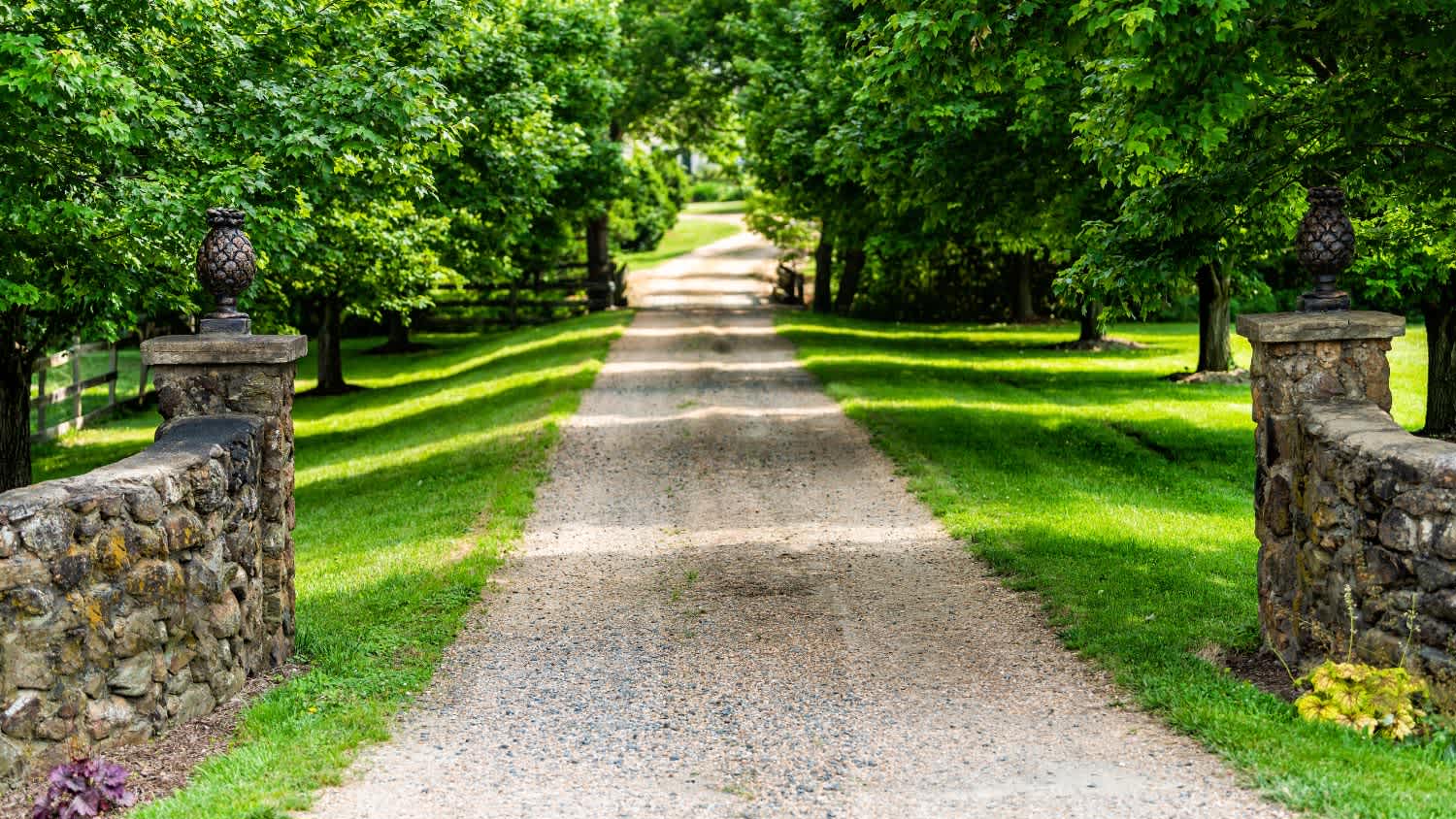
The material that’s best for your private road depends on your property, the climate in your area, and your personal preferences. Gravel is an affordable option, but some homeowners don’t like how it looks. It can be a pain to remove snow from, and it requires more ongoing maintenance than asphalt or concrete. However, while these other options require less maintenance and make snow removal a breeze, they’re more expensive and will need repairs from time to time. Ultimately, you’ll have to choose the road material that suits you and your property best.

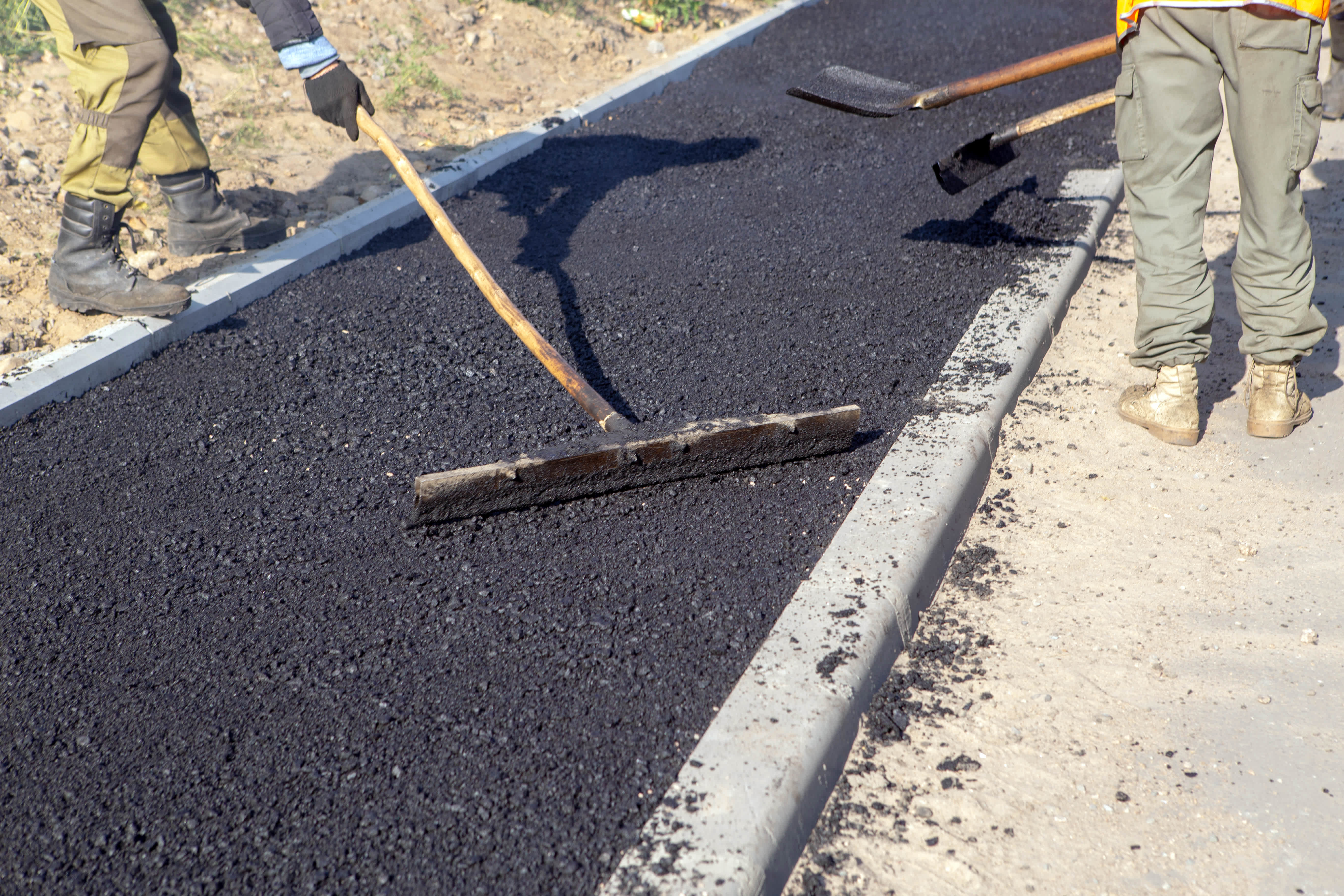
While blacktop is a type of asphalt, the terms should not be used interchangeably, as not all asphalt qualifies as blacktop. The primary differences are in their composition, production process, and ideal applications. Blacktop contains more stone than other types of asphalt and is heated to a higher temperature during production—300°F or more—while hot-mix asphalt is heated to between 275°F and 300°F. The ratio of bitumen (a tar-like crude oil) is a key differentiator, though sources vary: some state blacktop has less bitumen, making it less durable, while others claim it has a higher ratio. Due to these differences, asphalt is generally more durable and better for high-traffic areas like highways and streets, while blacktop is more suitable for playgrounds and residential driveways. For a driveway project, it is best to consult a professional to determine the most appropriate material.

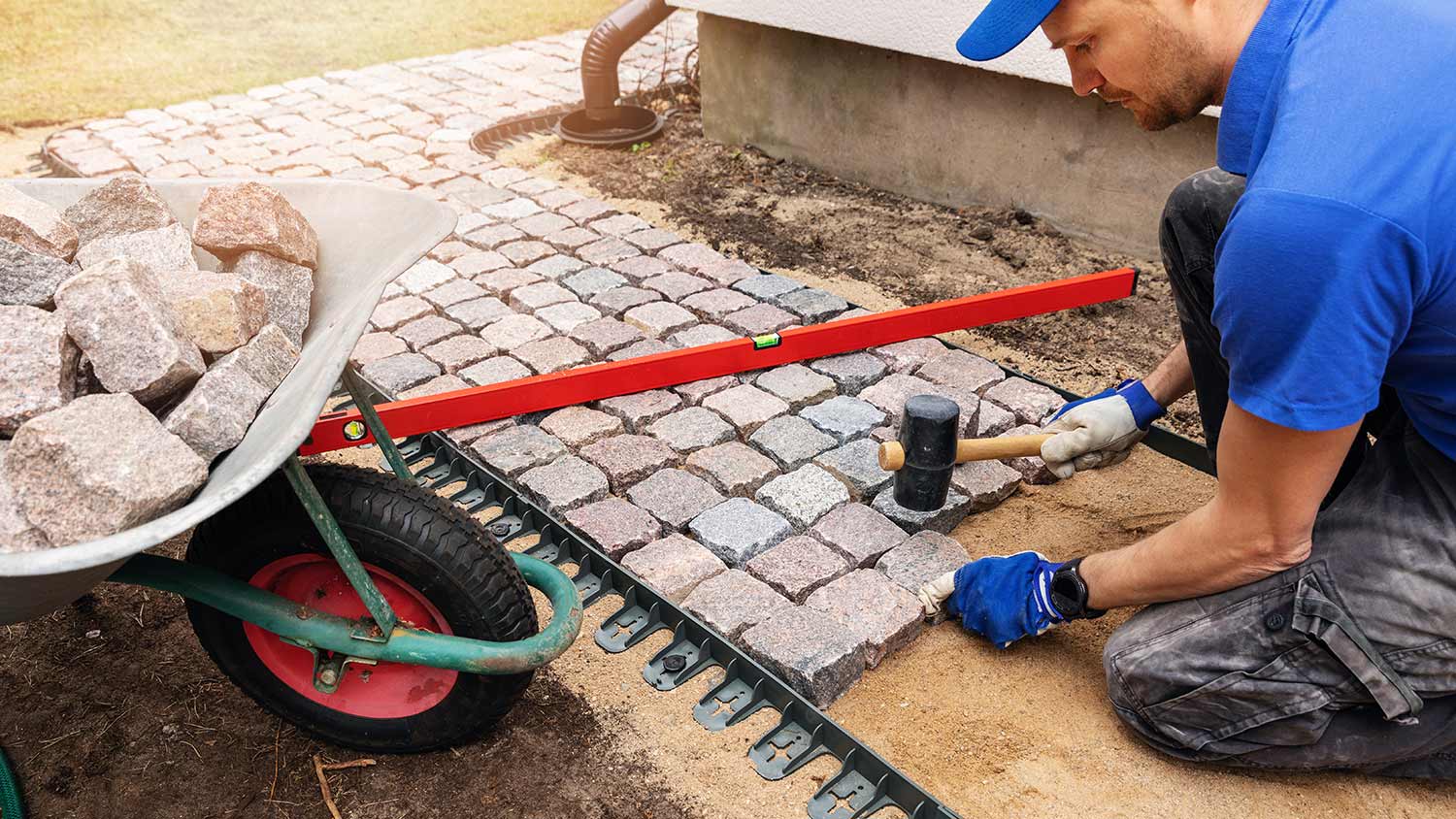
If your new pavers look dull or unclean, it is likely due to efflorescence, a chalky, white powder that forms when lime in the pavers gets wet. This condition often resolves on its own, as rain will naturally wash it away within about a year. For faster results, you can use a pressure washer to clean the pavers. Alternatively, consider using cleaning products specifically designed to remove efflorescence or applying sulfuric acid crystals.

Maintaining a driveway depends on its material. For concrete and asphalt, it's best to clean the surface thoroughly twice a year with a stiff broom and a pressure washer to remove accumulated dirt and debris. Sealing the driveway is crucial to protect it from water damage and freeze-thaw cycles. Before applying a sealant, pressure wash the surface to remove any loose sealant, dirt, or stains, as sealing over them will trap them. Any cracks or expansion joints should be filled with a flexible polyurethane caulk or asphalt sealer. In colder climates, use sand instead of salt for de-icing. Sand helps melt snow and ice without accelerating the freeze-thaw process, which can cause cracks.

Three inches is a great thickness for a residential asphalt driveway that sees minimal to moderate traffic from cars, SUVs, and pickup trucks. However, a thicker driveway can better withstand the weight of a heavier vehicle, such as a trailer or a recreational vehicle. If you drive a heavy vehicle on a thin driveway, you risk cracking and damaging it.

The Maidens, VA homeowners’ guide to paving services

From average costs to expert advice, get all the answers you need to get your job done.