

Top-rated leaf removal pros.

Get matched with top leaf removal pros in Floyd, VA

Enter your zip and get matched with up to 5 pros

Need a pro for your leaf removal project in Floyd, VA?

Select your specific project to find the pro for you.

Find Leaf removal pros in Floyd

Avatar for Carolina Hauling Express
Carolina Hauling Express
New to Angi
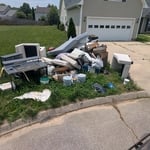
Waste, Junk, Building Materials and Debris - Remove and Haul

Serving Floyd, VA and surrounding areas

Approved

Free estimates

Small jobs welcome

Offers commercial services

Hello! My name is Charles Kidd, and I run a local junk hauling/removal service within the triad and surrounding areas! I do removal for just about anything you can throw at me. If you think my service may be of use to you, please feel free to ask and get as many answers as you'd like! My service is fair and fast, and same day removals are well within my ability.

Home cleanout removal
7 neighbors recently requested a quote
...
Showing 1-10 of 152
Leaf Removal questions, answered by experts

According to the Environmental Protection Agency (EPA), hazardous waste is generally classified into four main categories:

1. Characteristic Wastes: These exhibit at least one of four hazardous traits: ignitability (flammable, like gasoline), corrosivity (can rust or decompose materials, like car batteries), reactivity (unstable and can explode, like aerosol cans), or toxicity (harmful when ingested, like lead-based paint).

2. Listed Wastes: These are specific wastes from manufacturing and industrial processes that the EPA has officially designated as hazardous. They include byproducts from processes that use solvents, pesticides, and other chemicals.

3. Universal Wastes: These are commonly generated hazardous items that are subject to streamlined regulations. Examples include batteries, pesticides, mercury-containing equipment (e.g., bulbs), and some lamps.

4. Mixed Wastes: This category includes waste that contains both hazardous and radioactive components, making it subject to regulation by both the EPA and the Nuclear Regulatory Commission.

You can sell a house with lead paint, but there are several requirements. If you are aware that lead paint exists anywhere in the home, you must disclose that to potential buyers. Required home inspections will often uncover lead paint, especially for older houses where lead paint may still be a problem. If you have taken steps to encapsulate lead, you should provide buyers with full documentation of the project so it won’t cause any problems later on.

Embarking on a kitchen demolition comes with its share of risks to keep in mind. Think of potential encounters with asbestos, sharp objects, and power tools—not to mention the peril of structures wobbling or unexpected plumbing surprises. And, of course, you will be surrounded by dust and debris throughout the process. All of the above makes safety gear necessary, or you can consider hiring a qualified professional.

You can paint over lead paint, or “encapsulate” it with a special paint that includes an ingredient called an encapsulant. The EPA approves encapsulation as a lead paint removal method as long as the paint remains undisturbed. Standard types of paint without an “encapsulant” from the big box stores or hardware stores do not meet EPA standards for remediation of lead-based paint.

The safest way to remove lead-based paint is by letting a professional take over. For most people, lead paint removal costs an average of $3,400. You should never attempt to dry sand old lead-based paint surfaces by hand. Most professionals use a paint stripper to do the job followed by wet scraping, but if you don’t want to remove lead paint, another option is to paint over it. Only consider this option if the old lead paint finish isn’t flaking or cracked.

The Floyd, VA homeowners’ guide to leaf removal services

From average costs to expert advice, get all the answers you need to get your job done.