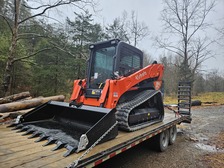
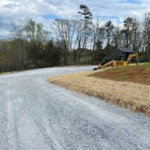
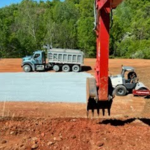
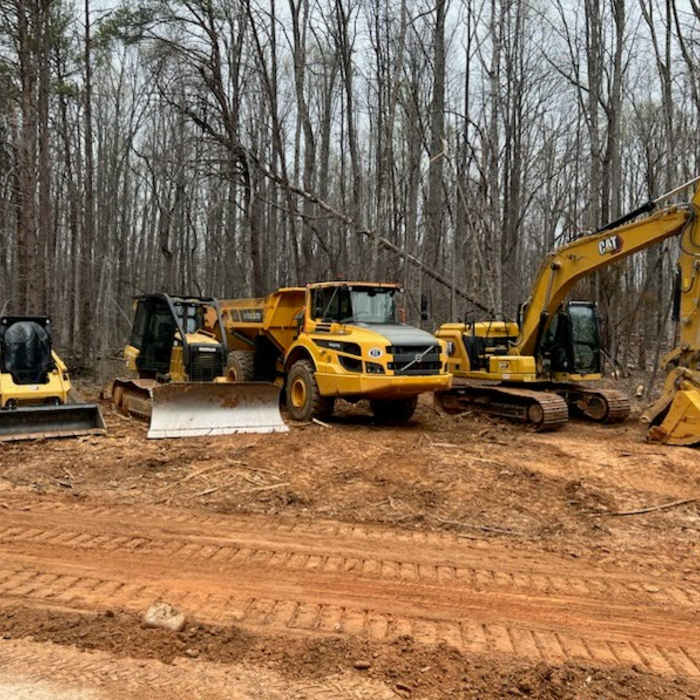
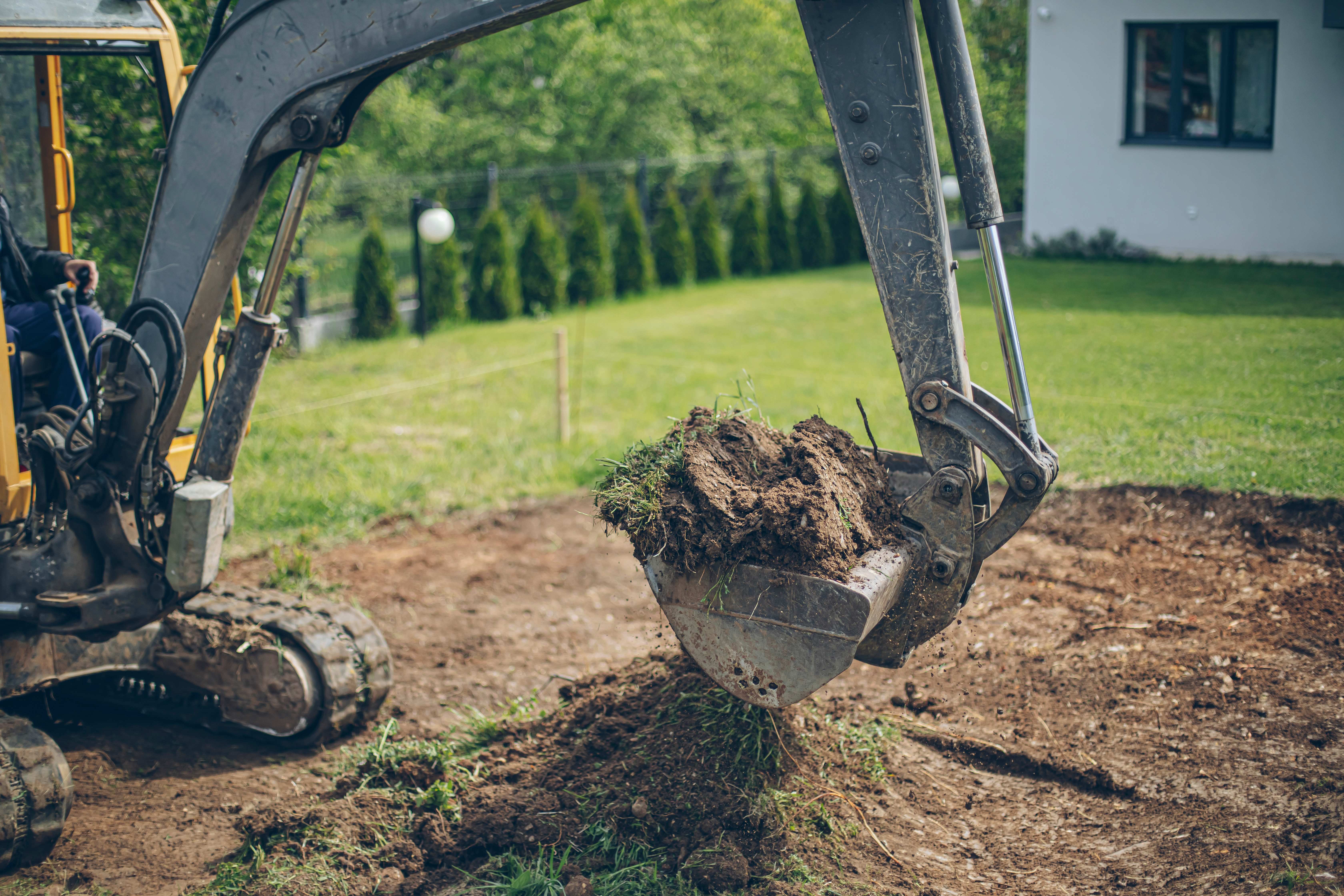
"I recently hired jeremy for an extensive excavation project and I couldn't be more pleased with the results. He cleared a long stretch of heavily overgrown land with impressive precision and care. Throughout the job, he remained calm, communicative, and consistently offered practical advice that helped move the project forward smoothly. Jeremy went above and beyond to ensure every detail met my expectations. His skill and professionalism were evident from start to finish, and I wouldn't hesitate to call on him again for future land work."
Thank you for choosing H.C. Shively Jr. Excavating, we pride ourselves on having served the Virginia area for over 30 years giving our customers the best service and pricing around. Call today!!
"I was contacted minutes after I filled the questionnaire and they arriver right when they said they would and told me step by step what they had to do to fix the problem so I never felt like I was in the dark."
Premier Land Development Excavating & Grading, LLC has been dedicated to this craft for over 15 years. We pride the company on reliability, excellent communication, integrity, and quality work. We strongly believe in giving our absolute best in all our projects no matter how big or small. We look forward to earning your business!
"My name is Michael Williams and resident near job behind Royal Farm in bedford. I'm a experienced operator, and have been a MEP Supervisor with trade knowledge for years. Healthy and curious if needed any help. I've been a Maintenance coordinator for nursing homes for a few years and would like to get back to just work. Know how to read prints and schedule things in order. If interested call or text and I could come back by this week. 540 874 0520"
John Dooley Excavating is your local excavation contractor. We also specialize in septic tank systems cleaning, inspection, and installation. We provide all kinds of excavation projects including land cleaning, grading and much more. Each project is unique and custom tailored to your specific needs.
Bolt Excavating, has the equipment and knowledge, to do your excavation job efficiently and safely. As the owner, Phillip Bolt, will be on your job site, running the equipment and making sure the job gets done right. Bolt Excavating, has both large and small equipment. We can coordinate with other contractors, to get the job timed right so everyone is happy.
"Ive had my driveway "fixed" by a couple of different companies over the years and it never lasted — washouts, ruts, standing water, the same problems creeping back within a season. Apex Earthworks actually diagnosed why it kept failing instead of just patching the surface again. They regraded it properly and addressed the drainage, not just the driveway itself. It's been solid through everything since, no ruts, no washouts, no puddles. What stood out most was that Gaige and his Crew clearly know what they're doing — this isn't guesswork, it's actual expertise in grading and drainage. They showed up when they said they would, and cleaned up the site when they were done. After years of paying other people to "fix" my driveway, it's a relief to have it actually done right the first time. I will recommend Apex Earthworks to everyone!! Thank you Gaige!! Your professionalism speaks volumes!!"
Concrete blocks are the cheapest way to base a shed. However, the space in between allows critters to go under, burrow, and even damage your shed’s frame. For a more pest-proof option, consider building a shed base with gravel or paver stones. Both options are fairly affordable and easy enough for a DIY project. For gravel, you can build a wooden frame to contain the loose material.
A trench that is less than 5 feet deep often doesn't require a protective system. Most residential trenches will not go this deep (the typical residential drainage trench is just 18 inches deep). In the event that an excavator needs to dig more than 5 feet beneath the surface, a protective system is required unless the excavation is in entirely stable rock.
As a general rule, the protected area should be about 1½ times as wide as the canopy of the tree’s leaves. This digging measurement can vary by tree species and the age of the tree. Of course, that can be a lot of fencing for larger trees, which is why our first step is about making difficult decisions on which trees to save.
There is no standard depth for burying a septic tank; they are typically buried anywhere from 4 inches to 4 feet underground. The final depth depends on several factors, including the depth of your main sewer line, the height of the bedrock, soil type, local regulations, and the property's landscape. If you plan to grow grass or plants over the tank, a depth of at least 4 to 6 inches is recommended. Deeper tanks can be more difficult to locate, but a septic professional can help find it for you.
The best method for digging a trench depends on the scope of the project. For a short, shallow trench (less than 2 feet deep) in light, soft soil, digging by hand may be sufficient. However, digging by hand is labor-intensive, so consider the effort required. A machine trencher is the better option for longer trenches (over 100 feet), deeper ones, or when dealing with difficult soil conditions, such as rocky or hard ground, or obstructions like tree roots. A machine can save significant time and energy in these situations.
The Altavista, VA homeowners’ guide to excavation services
From average costs to expert advice, get all the answers you need to get your job done.
Excavation costs $1,500 to $6,300 for most residential projects—but it depends on factors like the size of the area. This guide will help you plan a budget.
You can't have an in-ground pool without digging into the ground. How much does pool excavation cost, and can you take it on yourself? Our guide explains.
Picking the right pro can make or break your project. Learn how to hire an excavation pro with the qualifications and skillset to do the job efficiently.