



Top-rated plaster repair specialists.

Get matched with top plaster repair specialists in Thatcher, UT

Enter your zip and get matched with up to 5 pros

Need a pro for your plaster repair project in Thatcher, UT?

Select your specific project to find the pro for you.

Find Plaster repair specialists in Thatcher

Avatar for C.B. Handyman Services
C.B. Handyman Services
5.0(
3
)
Plaster - InstallPlaster - Install - For BusinessPlaster - Repair+1 more

Serving Thatcher, UT and surrounding areas

In business since 2023

Free estimates

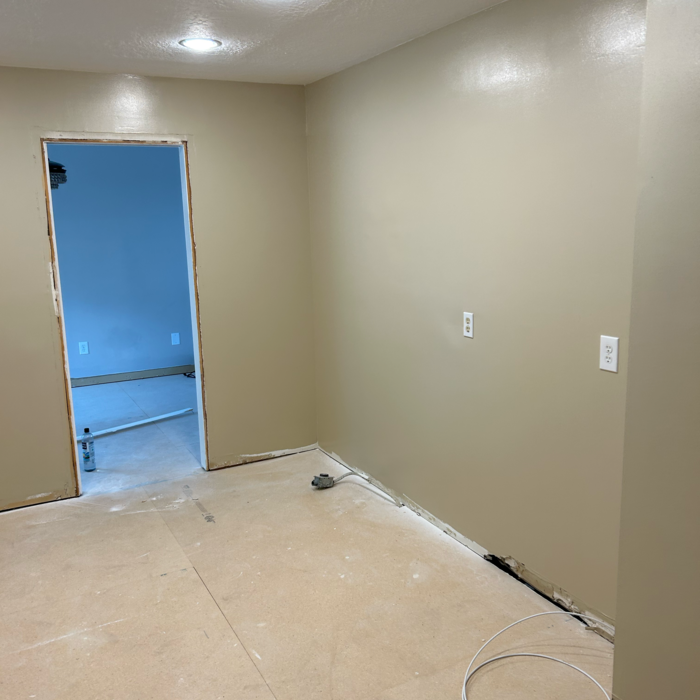
"My home flooded and was wrecked, these guys fixed it from head to toe. Re-doing my drywall, repairing my ceiling where there was a swamp cooler, painting and more. They are efficient, fast and adorable. I will continuously use them for all of my handyman needs."
Additional Photos
Additional Photos
Additional Photos
Additional Photos
Additional Photos

+26

Recommended by100%of homeowners
Avatar for Camelot
Camelot
New to Angi
Plaster - Repair

Serving Thatcher, UT and surrounding areas

Free estimates

We pride our company on reliability, great communication,\nintegrity, and quality work. We are experts in our trade and will do our best\nto keep you as educated as we can on your particular task or project. We look\nforward to earning your business!\n

Machos Construction
New to Angi
Plaster - InstallPlaster - Install - For BusinessPlaster - Repair+1 more

Serving Thatcher, UT and surrounding areas

Hi my name is Juan Lopez, I’m a reliable drywall professional who takes pride in clean work from start to finish. I specialize in hanging drywall, mudding, and taping with a strong focus on smooth finishes, straight lines, and attention to detail. I show up on time, work efficiently, and treat every project big or small with the same level of care and professionalism. If you want quality results done right the first time, you can count on me.

Avatar for jmetalfraiming
jmetalfraiming
New to Angi
Plaster - InstallPlaster - Install - For BusinessPlaster - Repair+1 more

Serving Thatcher, UT and surrounding areas

In business since 2010

Free estimates

Offers commercial services

JM Metal Framming, is committed to excellence in every aspect of our business. We uphold a standard of integrity bound by fairness, honesty, and personal responsibility. Our distinction is the quality of service we bring to our customers. Accurate knowledge of our trade combined with ability is what makes us true professionals. we have specials deals all year around. Above all, we are watchful of our customer's interests and make their concerns the basis of our business. Please give us a call today!

Response time3 days
Response rate87%
Showing 1-10 of 12
Plaster Repair questions, answered by experts

You can plaster over regular drywall, but it's essential to prepare the surface properly. Before plastering, the drywall should be clean, free of dust, and any loose or peeling paint should be removed. Applying a primer specifically designed for plastering can improve adhesion. Some professionals recommend applying a base coat of plaster or joint compound to create a better surface for the plaster to adhere to. Proper preparation ensures a smooth and durable plaster finish over regular drywall.

Plaster walls typically last between 30 and 70 years, but depending on the quality of the materials and the moisture levels in the building, they can last for over 100 years. With expert application and consistent maintenance, plaster can even last for centuries. To extend its lifespan, it is important to have the plaster professionally installed, address any water damage promptly, and repair small cracks as they appear. Regular inspections by a professional can help identify and address concerning cracks before they become significant issues.

Although they are used for similar tasks, spackle and joint compound are not the same. Joint compound, also known as drywall mud, consists of limestone and gypsum and is primarily used for large-scale projects like taping and finishing seams on new drywall. Spackle is composed of gypsum and binding agents, making it a thicker compound best suited for small wall repairs like filling nail holes or cracks, as it dries quickly and is easy to sand. For small repairs, either product can be suitable. However, you can use joint compound for small jobs in place of spackle, but you cannot use spackle for large-scale taping and mudding projects.

All plaster walls will crack over time due to normal house settling and expansion and contraction from temperature and moisture changes. Small, thin hairline cracks are generally not serious and are mostly a cosmetic issue. However, larger or more significant cracks can indicate structural problems.

Here's how to tell the difference:

  • Cosmetic Cracks: Cracks that are 0.5 cm (0.2 inches) or thinner are typically cosmetic.

  • Structural Cracks: Cracks wider than 0.5 cm, excessive or deep cracks, multiple cracks in the same area, or cracks that span around corners can signify a structural or foundation issue. Cracks along the joints where walls meet the ceiling also warrant attention.

For cracks wider than 0.5 cm, structural repair is needed. If a crack is 2.5 cm (1 inch) or wider, or if you notice any signs of a structural problem, it is best to contact a plaster repair professional to assess the damage.

Plastering and skimming are two different techniques for finishing walls. Plastering involves applying a thick layer of a plaster mixture—typically containing gypsum, lime, cement, sand, and water—to create a new surface. This process often requires multiple coats and is used for repairing significant damage or creating decorative textures. Skimming, on the other hand, is a technique that involves applying a thin layer of drywall compound or joint compound over an existing surface to smooth it out, covering minor imperfections, small cracks, or uneven textures for a polished look. Plastering is generally more costly and labor-intensive than skimming. Although some people use the terms interchangeably, they refer to different processes and materials.

The Thatcher, UT homeowners’ guide to plaster repairs

From average costs to expert advice, get all the answers you need to get your job done.