







Top-rated plaster repair specialists.

Get matched with top plaster repair specialists in Willard, UT

Enter your zip and get matched with up to 5 pros

Need a pro for your plaster repair project in Willard, UT?

Select your specific project to find the pro for you.

TRUSTED BY WILLARD, UT HOMEOWNERS

  • Average homeowner rating star icon4.5
    Average homeowner rating
  • Verified reviews icon77
    Verified plaster repairs reviews

Find Plaster repair specialists in Willard

Avatar for C.B. Handyman Services
C.B. Handyman Services
5.0(
3
)

Serving Willard, UT and surrounding areas

In business since 2023

Free estimates

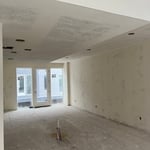
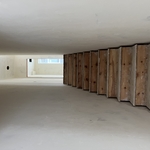
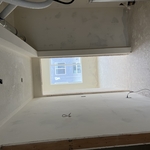
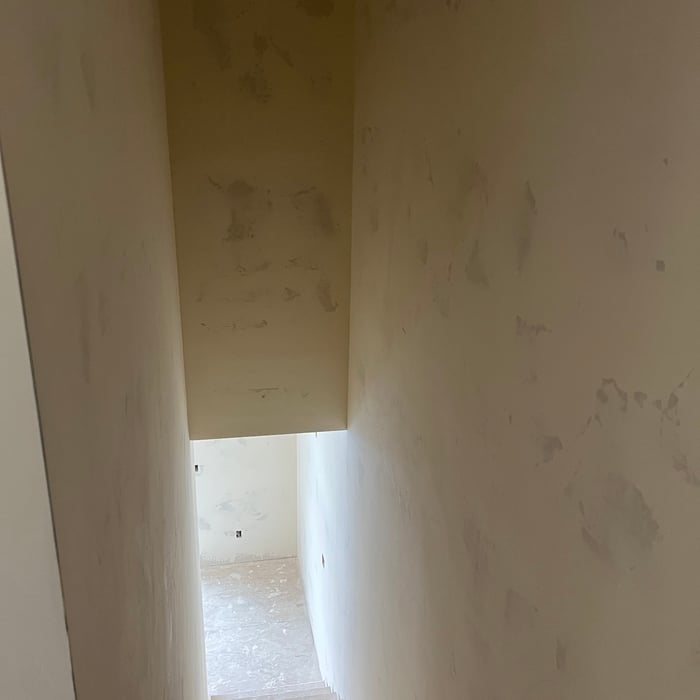
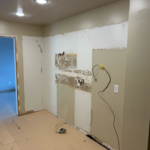
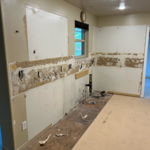
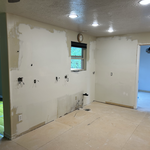
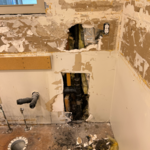
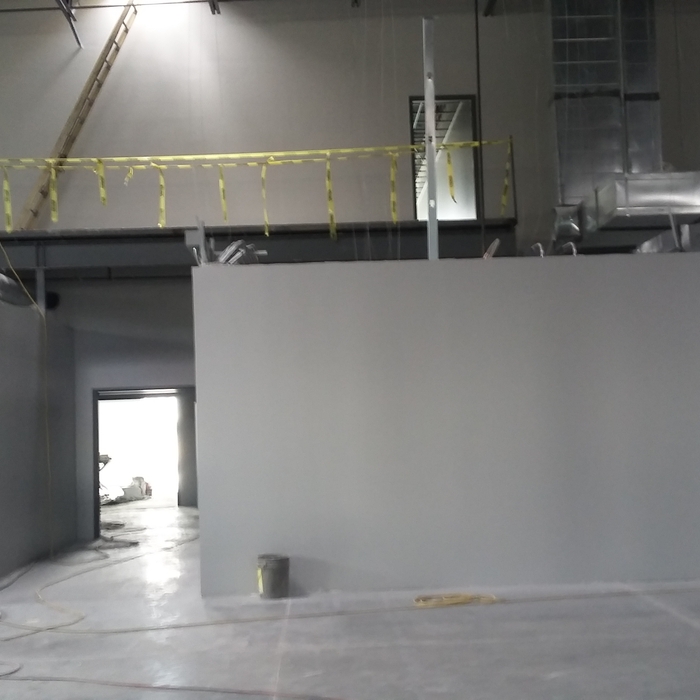
"My home flooded and was wrecked, these guys fixed it from head to toe. Re-doing my drywall, repairing my ceiling where there was a swamp cooler, painting and more. They are efficient, fast and adorable. I will continuously use them for all of my handyman needs."
Additional Photos
Additional Photos
Additional Photos
Additional Photos
Additional Photos

+26

Recommended by100%of homeowners
Avatar for DRYWALL GUYS, L.L.C., THE
DRYWALL GUYS, L.L.C., THE
5.0(
2
)

Serving Willard, UT and surrounding areas

In business since 2023

Free estimates

Warranties offered

"I had a great experience! Jesus Benitez was an absolute PROFESSIONAL! He knew what he was doing was personable and definitely showed car for my home and respect for my property. 10/10"
Response time2 days
Recommended by100%of homeowners
Showing 1-10 of 14
Plaster Repair questions, answered by experts

With its breathability and flexibility, lime plaster is among the most durable of all plaster types. It's also fire-resistant and has a proven track record, as people have been using it for thousands of years.

However, all plaster types will last for many years with the right care and treatment. Proper preparation and installation will also help ensure your plaster walls look great for as long as possible.

Plaster provides a durable, soundproof, and moisture-resistant finish compared to drywall.

Plastering and skimming are two different techniques for finishing walls. Plastering involves applying a thick layer of a plaster mixture—typically containing gypsum, lime, cement, sand, and water—to create a new surface. This process often requires multiple coats and is used for repairing significant damage or creating decorative textures. Skimming, on the other hand, is a technique that involves applying a thin layer of drywall compound or joint compound over an existing surface to smooth it out, covering minor imperfections, small cracks, or uneven textures for a polished look. Plastering is generally more costly and labor-intensive than skimming. Although some people use the terms interchangeably, they refer to different processes and materials.

This depends on how much plaster is applied and in how many layers, but a decent estimate is around 150 square feet. If you are applying only two coats on a small wall, there is a chance you may only need one or two gallons for the entire project. If you are plastering a large living room wall with high ceilings, using one of the more involved techniques–like Scagliola–that requires several coats, expect the project materials costs to add up quickly. 

It may take a bit of patience and trial and error to match your particular drywall texture type when making repairs. For orange peel or knockdown finishes, use a spray texture product or a thinned joint compound applied with a roller or sponge. Practice on scrap drywall or cardboard first. Once dry, lightly sand and prime before painting.

The Willard, UT homeowners’ guide to plaster repairs

From average costs to expert advice, get all the answers you need to get your job done.