




Top-rated wall repair pros.

Best wall repair pros near Thatcher, UT

Enter your zip and get matched with up to 5 pros

Need a pro for your wall repair project in Thatcher, UT?

Select your specific project to find the pro for you.

TRUSTED BY THATCHER, UT HOMEOWNERS

  • Average homeowner rating star icon4
    Average homeowner rating
  • Verified reviews icon16
    Verified wall repair services reviews

Top-Rated Wall repair pros in Thatcher - Updated Nov 2026

Wind River Masonry, LLC
4.7(
30
)
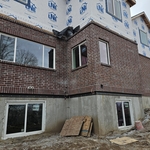
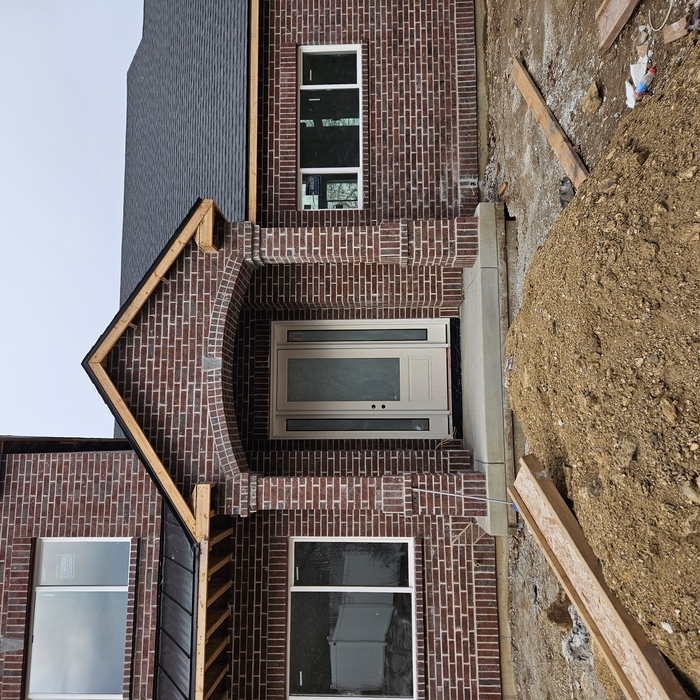
Brick, Stone or Block Wall - Repair

Serving Thatcher, UT and surrounding areas

Approved

In business since 2021

Free estimates

Small jobs welcome

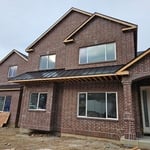
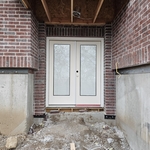
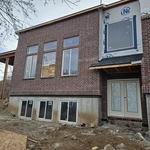
"I have had loose pavers on my front porch for years. My son tried to fix them and made a mess of it (thank goodness he lives in Manhattan!). My neighbor told me he would repair it for 4 years. I finally got online and Carey at Wind River Masonry came to the rescue. They were ontime. Hardworking. The repair my son did made the job a lot more difficult. They were pleasant, offered to take in our garbage bins, just great guys! I would recommend them highly. I enjoyed reading other reviews by happy clients. Very pleased! Thank you Angi!"
front
back door
back  of home
back  of home
arch

+12

Response time1 day
2 neighbors recently requested a quote
Recommended by96%of homeowners
Avatar for Groundworks
Groundworks
4.7(
31
)
Poured Concrete Wall - Repair

Serving Thatcher, UT and surrounding areas

Approved (Corporate)

Super Service Award Winner

In business since 2025

Free estimates

Warranties offered

"David and his crew Ives, Victor, and Joseph did a fantastic job stabilizing our foundation. They were focused on the job and came prepared to work. They finished the job quickly and professionally. They communicated with us throughout the entire process. Once they got into the project they were able to identify areas that didn't require the repairs and David quickly explained a new plan and then, with my permission, adjusted the plan which saved us several thousand dollars. I appreciated their honesty and integrity. Thank you Groundworks for training and hiring quality people. Dennis and Ellen Porter"
Foundation
Foundation
Foundation
Concrete
Concrete

+15

87 neighbors recently requested a quote
Recommended by11%of homeowners
...
Showing 1-10 of 130
Wall Repair FAQs, answered by experts

Rebar is a steel support that goes inside concrete to prevent structural damage over time. Concrete is susceptible to impact, weight, and tension. By inserting rebar into the concrete during the installation, you can help extend its lifespan and avoid hazardous situations where the foundation of your home gives way to tensile forces.

Each design is different, so we can’t say definitively if you’ll need a dedicated drainage system in place for a two-foot retaining wall. However, you can likely skip the drainage, as this project is typically served for walls that are 4 feet tall or more. Even with a relatively low wall, consider drainage if you are building on top of clay or poor-draining soil types or if there are buried water sources nearby, like a well used for other outdoor garden projects.

Small retaining walls still require a foundation of some kind, typically a concrete footing. This helps to ensure the wall is structurally sound and prevents the ground from shifting over time, especially during those winter freeze/thaw cycles. The footing helps spread the weight of the wall and the load it carries over a larger area of the ground, thus assisting with stability. This is true of small retaining walls, larger rock garden walls, and the like. 

Sand and gravel are two suitable options for filling behind a retaining wall. If you’re building your own retaining wall, you’ll complete this part of the process—known as backfilling—after you finish laying the blocks. Make sure not to skip it—otherwise, you could wind up with drainage issues, which can cause your retaining wall to collapse.

Railroad ties can be good for retaining walls, but it depends on the area. They have a desirable rustic look and are durable. The problem is they’re treated with creosote, a preservative the EPA says poses a risk to humans and wildlife. Over time, the preservative seeps out of the wood and into the ground. Many areas have banned the use of creosote-treated wood on residential properties. If your area does allow it, never use railroad ties near an edible garden or drinking water source. Instead, use wood that’s treated with an EPA-approved preservative or a wood-alternative composite material.

The Thatcher, UT homeowners’ guide to wall repair services

From average costs to expert advice, get all the answers you need to get your job done.