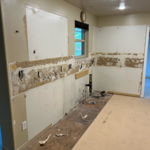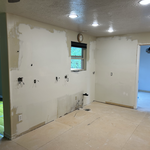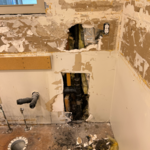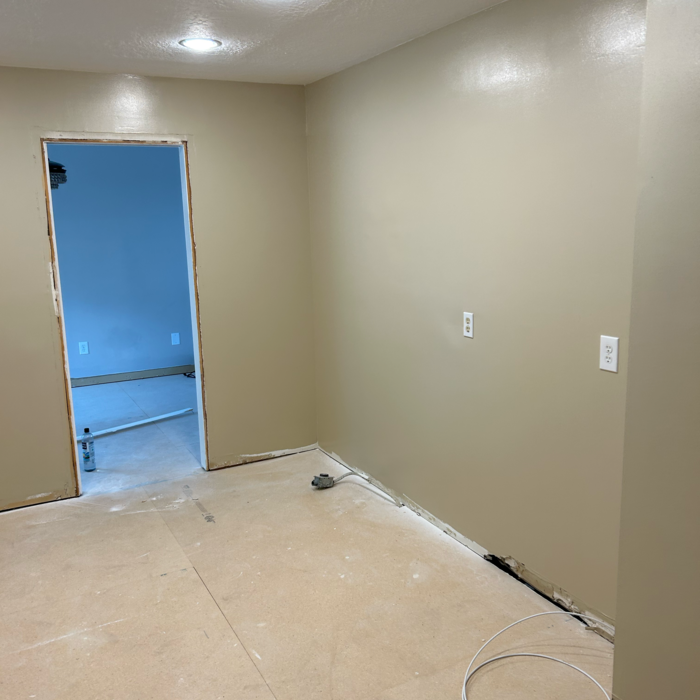



Top-rated plaster repair specialists.

Get matched with top plaster repair specialists in Corinne, UT

Enter your zip and get matched with up to 5 pros

Need a pro for your plaster repair project in Corinne, UT?

Select your specific project to find the pro for you.

Find Plaster repair specialists in Corinne

Avatar for C.B. Handyman Services
C.B. Handyman Services
5.0(
3
)
Plaster - InstallPlaster - Install - For BusinessPlaster - Repair+1 more

Serving Corinne, UT and surrounding areas

In business since 2023

Free estimates

"My home flooded and was wrecked, these guys fixed it from head to toe. Re-doing my drywall, repairing my ceiling where there was a swamp cooler, painting and more. They are efficient, fast and adorable. I will continuously use them for all of my handyman needs."
Additional Photos
Additional Photos
Additional Photos
Additional Photos
Additional Photos

+26

Recommended by100%of homeowners

Avatar for DRYWALL GUYS, L.L.C., THE
DRYWALL GUYS, L.L.C., THE
5.0(
2
)
Plaster - InstallPlaster - Install - For Business

Serving Corinne, UT and surrounding areas

In business since 2023

Free estimates

Warranties offered

"The Drywall Guys are the best! I had them come and fix some walls in my grandmas house and Jesus did such professional work and got everything done in a timely manner. I would recommend The Drywall Guys to anyone who needs this type of work done!"
Response time2 days
Recommended by100%of homeowners

Machos Construction
New to Angi
Plaster - InstallPlaster - Install - For BusinessPlaster - Repair+1 more

Serving Corinne, UT and surrounding areas

Hi my name is Juan Lopez, I’m a reliable drywall professional who takes pride in clean work from start to finish. I specialize in hanging drywall, mudding, and taping with a strong focus on smooth finishes, straight lines, and attention to detail. I show up on time, work efficiently, and treat every project big or small with the same level of care and professionalism. If you want quality results done right the first time, you can count on me.

Plaster Repair questions, answered by experts

Common causes of ceiling cracks along drywall seams include poor drywall installation techniques, structural issues, truss uplift, and foundation problems. Temperature and humidity also play major roles in ceiling cracks flush with the wall. As the drywall shrinks and expands from major temperature changes or extreme humidity shifts, this can cause the drywall to crack.

Generally, your homeowner’s insurance might only cover ceiling collapses caused by problems under the coverage, such as a busted pipe. But if the ceiling collapse resulted from owner negligence, maintenance issues, or other reasons excluded by your policy, you could be on your own. Some policies might cover damages caused by the collapse but not the repair itself. Check with your policy carrier for the most accurate information regarding ceiling collapse coverage.

Plaster is a beautiful finish but is labor-intensive to install and remove. It’s vulnerable to cracking and more sensitive to moisture variance than drywall. Installing plaster on a new wall is an expensive process that can take days to weeks, depending on the scope. Removing a plaster wall can also be quite expensive and time-consuming.

You can repair plaster ceilings yourself after the cause of the ceiling damage has been addressed. However, the repair can easily take 5 hours and can be slightly challenging for those without previous experience. If you do decide to flex your DIY muscle, have a helper to help hold the ladder and pass you the tools for safety purposes.

Although they have similar applications, spackle and joint compound are not the same. Their primary differences lie in their composition, consistency, and ideal use cases.

Spackle is composed of gypsum and binding agents, making it thicker than joint compound. It dries quickly and is easy to sand, which makes it ideal for small wall repair projects like filling nail holes or patching minor damage.

Joint compound, also known as drywall mud, consists of limestone and gypsum. It is primarily used for large-scale projects, such as taping and finishing the seams on newly installed drywall. It tends to shrink more than spackle and can be more difficult to spread.

While both products can be used to fill small depressions and cracks, spackle cannot replace joint compound for taping and mudding new drywall. Conversely, you can often use joint compound for small patching jobs typically done with spackle.

The Corinne, UT homeowners’ guide to plaster repairs

From average costs to expert advice, get all the answers you need to get your job done.