






Top-rated aquarium service pros.

Get matched with top aquarium service pros in Roy, UT

Enter your zip and get matched with up to 5 pros

Need a pro for your aquarium service project in Roy, UT?

Select your specific project to find the pro for you.

TRUSTED BY ROY, UT HOMEOWNERS

  • Average homeowner rating star icon4.3
    Average homeowner rating
  • Verified reviews icon465
    Verified aquarium services reviews

Find Aquarium service pros in Roy

Avatar for Earthworks Landscaping Services Inc
Earthworks Landscaping Services Inc
4.2(
19
)

Serving Roy, UT and surrounding areas

In business since 2002

Free estimates

Emergency services offered

"Jason responded to RFQ quickly and was very professional.  Quote was detailed by the area square footage.  In comparing to the other quotes, it didn't really specify the concrete mix, or how the landings would be attached/if attached to the home.  This quote was the higher or the others with the only difference being the additional cost of the $450 for the concrete pump.  The other quotes didn't break this out specifically.  All contractors were provided the same information.  The price was not out of the ballpark but was on the high end for average cost per square foot so thought that this might be do to adding for subcontractor work.
"
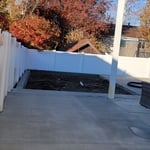
Patio
Additional Photos
Additional Photos
Additional Photos
Recommended by81%of homeowners
Aquarium Services questions, answered by experts

Over time, your septic tank can accumulate a buildup of sludge at the bottom of the tank. If left unpumped and uncleaned, the sludge will back up into your pipes and home, causing failure and extensive (and smelly) damage. Repairs to your septic system can be costly, which is why regular maintenance is required. It takes about 30 minutes to pump a septic tank that’s 1,250 gallons or less or 1 hour for larger varieties.

You should pump your septic tank once every two to four years for a family of four, depending on your septic tank size. You should pump a 1,000-gallon septic tank every two years, while a 1,500-gallon tank should be pumped every four years. Water usage also affects how often you should pump your septic tank. If you notice slow drains, foul smells, or gurgling sounds from your drains, you should pump your septic tank as soon as possible.

A septic system's lifespan typically ranges from 15 to 40 years, with a common average of 20 to 30 years. The longevity heavily depends on the tank's material, maintenance diligence, and usage habits. With proper care, lifespans can reach the upper end of this range.

Lifespan by Tank Material:

  • Concrete: 20 to 40 years

  • Plastic or Fiberglass: 30 to 40 years

  • Steel: 15 to 20 years

To maximize your system's lifespan, follow these maintenance best practices:

  • Regular Pumping and Inspections: Have the tank pumped every three to five years and schedule professional inspections regularly.

  • Mindful Usage: Only flush human waste and toilet paper. Avoid putting items like cat litter, paper towels, cigarette butts, fats, grease, oils, or coffee grounds down your drains.

  • Avoid Chemicals: Do not pour harsh chemicals into the system.

  • Water Conservation: Reduce the amount of wastewater your system has to process.

  • Protect the Drain Field: Avoid driving or building heavy structures over the drain field area.

Watch for slow drainage, pooling water in the yard, or unpleasant odors inside or outside. Addressing these issues timely avoids significant disruptions or costs.

Natural bacteria break down sludge in a septic tank by dissolving and consuming the solid waste. Your septic tank needs this bacteria to work correctly and avoid filling beyond capacity. You can increase the natural bacteria in your septic tank by adding three rotten tomatoes through your garbage disposal every three months.

The Roy, UT homeowners’ guide to aquarium services

From average costs to expert advice, get all the answers you need to get your job done.