




Top-rated aquarium service pros.

Get matched with top aquarium service pros in Willard, UT

Enter your zip and get matched with up to 5 pros

Need a pro for your aquarium service project in Willard, UT?

Select your specific project to find the pro for you.

TRUSTED BY WILLARD, UT HOMEOWNERS

  • Average homeowner rating star icon4.4
    Average homeowner rating
  • Verified reviews icon309
    Verified aquarium services reviews

Find Aquarium service pros in Willard

Avatar for Winterspring Landscape
Winterspring Landscape
5.0(
7
)
Water Feature - Install a Pond

Serving Willard, UT and surrounding areas

Free estimates

Warranties offered

Credit card accepted

"Professional!!! Communicative!!! Thorough!!! They contacted me right away and discussed the project. They pointed out some tasks I’d overlooked. They were a great team of hard workers. I had saved one task for myself, but they offered to finish it when I struggled. They cleaned up, and were friendly."

Burke resident
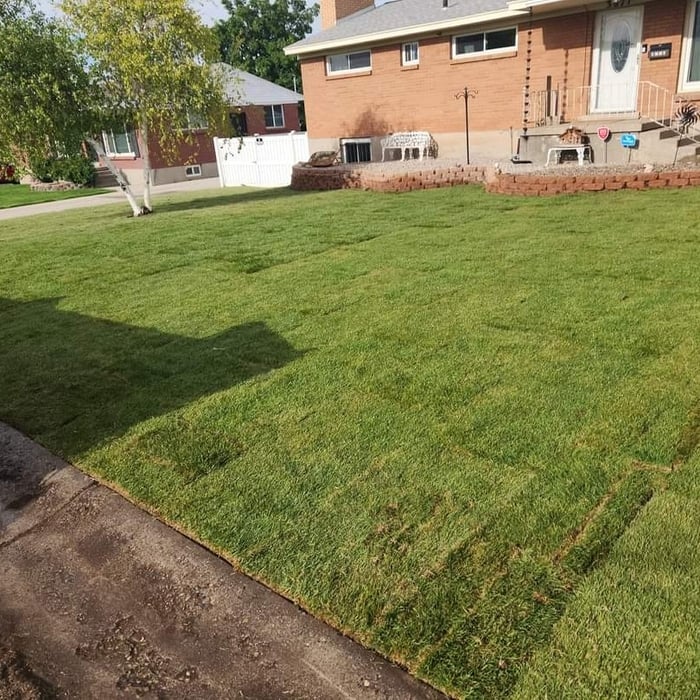
New landscape
Andrea
Sod and artificial turf
After

+207

Response time3 days
Recommended by85%of homeowners

Aquarium Services questions, answered by experts

Pumping involves opening the tank lid, removing solids and wastewater, and inspecting components for wear or damage to maintain optimal function.

A septic tank always has some amount of liquid in it—which should usually be 8 to 12 inches from the top of the tank. If the liquid level is higher than that or is overflowing the drainage pipe that leads out to the leach field, the tank may be too full and in need of pumping.

A septic system's lifespan typically ranges from 15 to 40 years, with a common average of 20 to 30 years. The longevity heavily depends on the tank's material, maintenance diligence, and usage habits. With proper care, lifespans can reach the upper end of this range.

Lifespan by Tank Material:

  • Concrete: 20 to 40 years

  • Plastic or Fiberglass: 30 to 40 years

  • Steel: 15 to 20 years

To maximize your system's lifespan, follow these maintenance best practices:

  • Regular Pumping and Inspections: Have the tank pumped every three to five years and schedule professional inspections regularly.

  • Mindful Usage: Only flush human waste and toilet paper. Avoid putting items like cat litter, paper towels, cigarette butts, fats, grease, oils, or coffee grounds down your drains.

  • Avoid Chemicals: Do not pour harsh chemicals into the system.

  • Water Conservation: Reduce the amount of wastewater your system has to process.

  • Protect the Drain Field: Avoid driving or building heavy structures over the drain field area.

When a septic tank is full, it needs to be professionally pumped. The average cost of a one-time septic tank pump is about $400, or $0.30 per gallon. If your septic tank is full, you may notice that you have issues flushing your toilet, pipes are draining very slowly, or you have a sewage smell lingering in your home or yard.

We’ve explained how deep-rooted plants can damage a septic tank from the outside, but plenty of things can ruin it from the inside, too. For example, flushing bulky items (like paper towels, diapers, and wipes) can clog your septic tank. Cooking oil, grease, and household chemicals can also harm your system. And since a new septic system costs between $3,460 and $11,450, it’s worth following these guidelines.

The Willard, UT homeowners’ guide to aquarium services

From average costs to expert advice, get all the answers you need to get your job done.