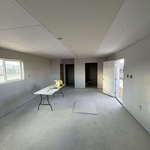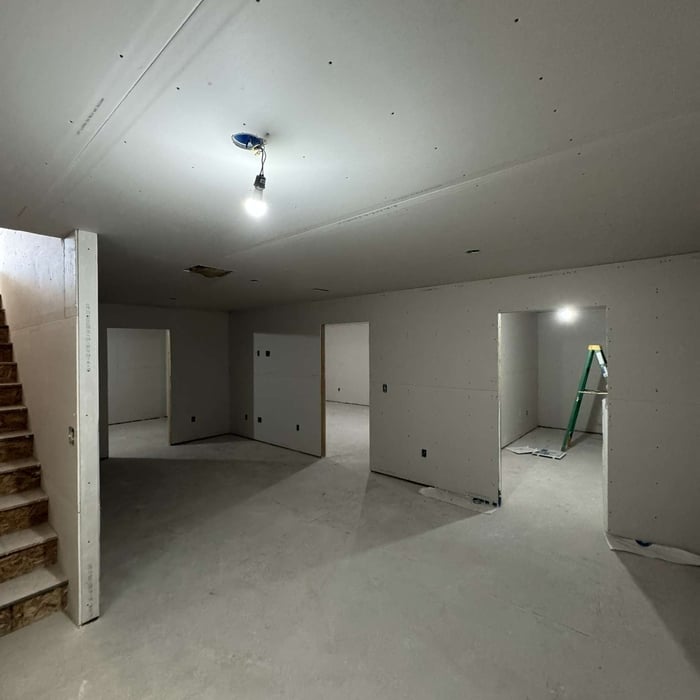





Top-rated drywall pros.

Get matched with top drywall pros in Millcreek, UT

Enter your zip and get matched with up to 5 pros

Need a pro for your drywall service project in Millcreek, UT?

Select your specific project to find the pro for you.

TRUSTED BY MILLCREEK, UT HOMEOWNERS

  • Average homeowner rating star icon4.5
    Average homeowner rating
  • Verified reviews icon293
    Verified drywall services reviews

Find Drywall pros in Millcreek

Advanced Drywall & Remodeling, LLC
5.0(
15
)
Drywall - RepairDrywall - Repair - For Business

Serving Millcreek, UT and surrounding areas

Approved

In business since 2015

Free estimates

Emergency services offered

"I hired Moses to replace drywall, texture and paint my basement. He is a perfectionist in his work, and even went so far as to redo a whole wall because he didnt like how it turned out. He takes extreme pride in his work. He was very careful and clean and took great care to protect the rest of my home from dust. He was always on time and communicated with me every step of the way. I am thrilled with the result. I recommend him wholeheartedly!"
Response time5 hrs
Response rate87%
5 neighbors recently requested a quote
Avatar for Mark Forslund Drywall
Mark Forslund Drywall
4.8(
16
)
Drywall - InstallDrywall - Repair

Serving Millcreek, UT and surrounding areas

Approved

In business since 2020

Free estimates

Small jobs welcome

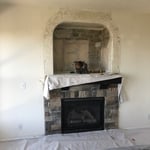
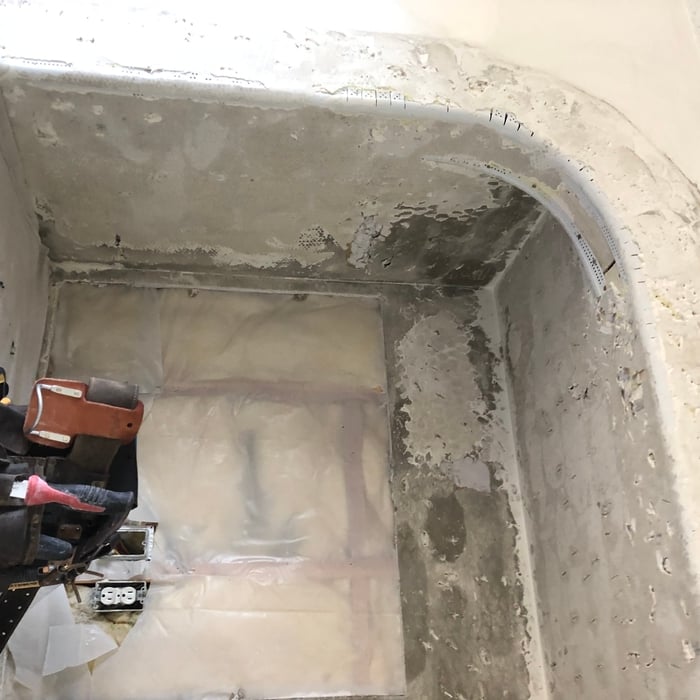
"Mark was awesome to work with. He is very personable, but also professional and skilled at what he does. Our job was not very big (mud for a new wall on the inside and outside of a stairwell), but he was really fairly priced and did the job really well. I was amazed with how he matched our existing texture. He also does the job right, quick, and clean. I would definitely hire him again and recommend him for anyone else looking for a drywall expert."
Response time2 hrs
Response rate96%
Recommended by87%of homeowners
Avatar for CMJ Development Inc
CMJ Development Inc
5.0(
9
)
Drywall - Repair

Serving Millcreek, UT and surrounding areas

Approved

In business since 2024

Free estimates

Warranties offered

We take great pride in our experience, expertise, quality, and customer service that we provide to meet the consumer's needs. It is our mission to provide excellent workmanship and complete customer satisfaction, from the start to the completion of a project. In order to understand the needs and expectations of our customers, we take great care to work and communicate with every customer in a professional manner. Our reputation is based on service, safety, and quality, regardless of how large or small the job.

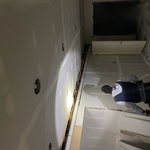
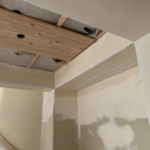
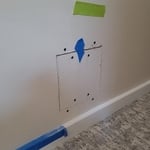
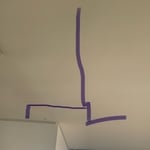
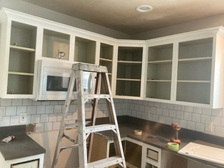
After Repair
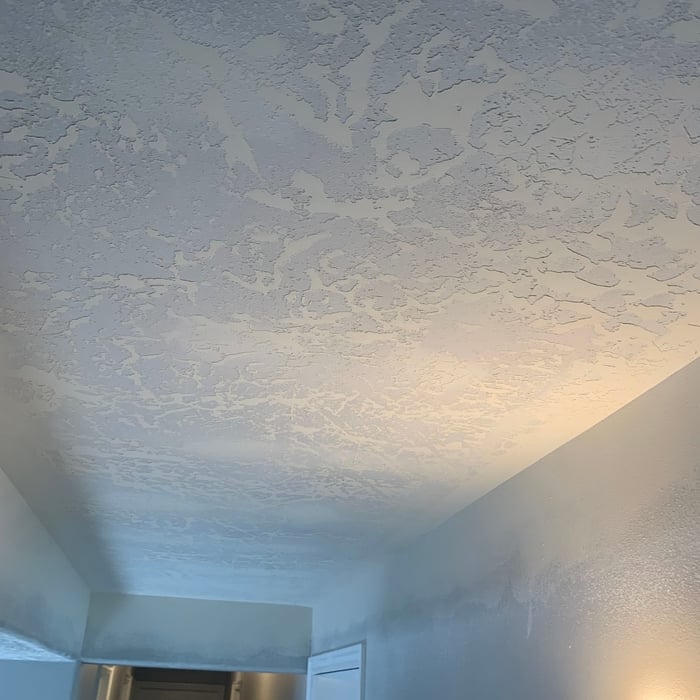
Before - Ceiling
Response time5 hrs
Response rate100%
8 neighbors recently requested a quote
...
Showing 1-10 of 464
Drywall questions, answered by experts

Drywall can be toxic to the environment and to humans in some cases. As drywall breaks down in a landfill and comes in contact with other organic chemicals, it can create hydrogen sulfide gas or leach into the groundwater. Additionally, the CDC recommends methods for controlling the inhalation of drywall dust when handled. While the common ingredients of drywall—gypsum, silica, and mica—are naturally occurring, they can cause irritation in some humans.

Plastering and skimming are two different techniques for finishing walls. Plastering involves applying a thick layer of a plaster mixture—typically containing gypsum, lime, cement, sand, and water—to create a new surface. This process often requires multiple coats and is used for repairing significant damage or creating decorative textures. Skimming, on the other hand, is a technique that involves applying a thin layer of drywall compound or joint compound over an existing surface to smooth it out, covering minor imperfections, small cracks, or uneven textures for a polished look. Plastering is generally more costly and labor-intensive than skimming. Although some people use the terms interchangeably, they refer to different processes and materials.

All plaster walls will crack over time due to normal house settling and expansion and contraction from temperature and moisture changes. Small, thin hairline cracks are generally not serious and are mostly a cosmetic issue. However, larger or more significant cracks can indicate structural problems.

Here's how to tell the difference:

  • Cosmetic Cracks: Cracks that are 0.5 cm (0.2 inches) or thinner are typically cosmetic.

  • Structural Cracks: Cracks wider than 0.5 cm, excessive or deep cracks, multiple cracks in the same area, or cracks that span around corners can signify a structural or foundation issue. Cracks along the joints where walls meet the ceiling also warrant attention.

For cracks wider than 0.5 cm, structural repair is needed. If a crack is 2.5 cm (1 inch) or wider, or if you notice any signs of a structural problem, it is best to contact a plaster repair professional to assess the damage.

Your walls are likely cracking due to fluctuations in the temperature outside. Drywall tends to expand and contract when temperatures and humidity levels change, and this repeated movement can lead to cracks in your walls, particularly around door frames. If you have multiple diagonal cracks, you may want to have your foundation inspected, as cracks can also be a sign of a bigger issue.

Glass walls are more expensive overall than their brick or drywall counterparts. However, if you need walls for a building with more than two or three stories, glass walls are the more budget-friendly option.

The Millcreek, UT homeowners’ guide to drywall services

From average costs to expert advice, get all the answers you need to get your job done.